


Tariffs meant to protect U.S. chocolate are melting it instead
[ad_1]
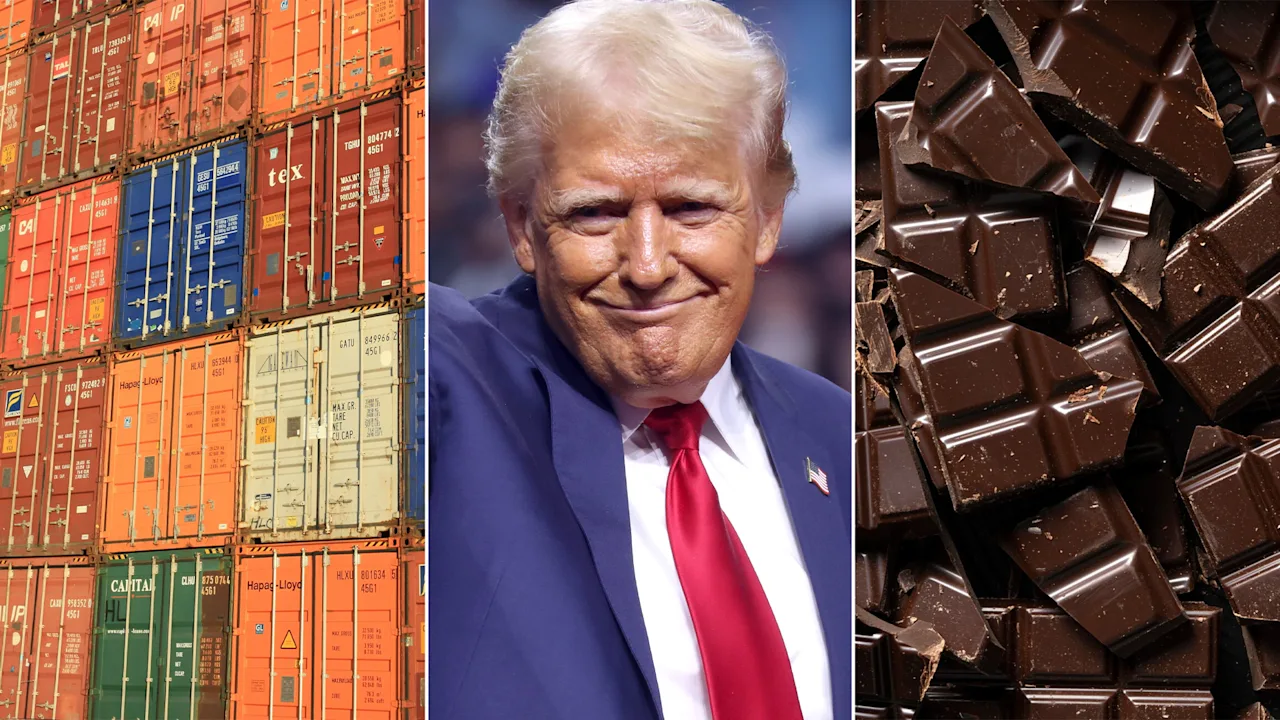
While tariffs were initially enacted to help promote domestic manufacturing, one particular American industry is getting the short end of the stick: chocolate. Due to chocolate’s main ingredient, which is rarely grown stateside, U.S.-based chocolate brands depend on cacao exports and are now being subjected to high import tariffs.
Just last month, Hershey announced a price increase for its products in an effort to offset rising production costs related to cacao. “[For years,] we’ve worked hard to absorb these costs and continue to make 75% of our product portfolio available to consumers for under $4,” a Hershey representative told Fast Company at the time.
The price increase followed Hershey’s pursuit of a tariff exemption from the Trump administration, with the company estimating a tariff expense of $15 million to $20 million in its second quarter.
After speaking with 11 experts in the chocolate industry, Reuters found that tariffs are hurting American companies competitively amid rising costs of cacao—yet others are benefiting.
Reaping the benefits
Almost everyone loves chocolate, and its popularity continues to rise, with chocolate amounting to $21.4 billion in confectionery sales last year.
As chocolate’s birthplace, Mexico does not rely on imported cacao, for its tropical weather is much more conducive to growing the beans. Due to its local harvest, Mexican brands can produce chocolate without paying the Trump-imposed tariffs of 10% to 25%.
Similarly, Canada benefits from a lack of tariffs, as it imports its cacao with zero additional duties, making production up north cheaper than in the U.S. Additionally, the United States-Mexico-Canada free trade pact (USMCA), the trade agreement that replaced NAFTA, allows chocolate imports from both Canada and Mexico to be tariff-free, regardless of the cacao’s origin.
American companies are required to pay taxes to import cacao, which cannot be nationally produced at scale, while Mexico can produce its own and Canada buys it without extra fees, setting American companies back.
Still, as American companies continue to struggle, it seems a new trade deal might roll back tariffs and help those in the chocolate industry. On July 29, U.S. Commerce Secretary Howard Lutnick suggested that natural resources not found in the U.S. could be tariff-exempt as soon as upcoming trade deals close.
“If you grow something and we don’t grow it, that can come in for zero,” Lutnick told CNBC.
[ad_2]
Source link
