

An AI Dark Horse Is Rewriting the Rules of Game Design
The video game Valorant, a fast-paced team-based shooter, has recently become a testing ground for a promising new direction in artificial intelligence research. The game’s developers at Riot Games (a Tencent subsidiary) are using 3D-native AI models to prototype new characters, scenes, and storylines, according to a researcher familiar with the company’s efforts who spoke on the condition of anonymity.
While many AI models can generate text, images, and video, Tencent’s Hunyuan (混元 or “first mix”) family of models can dream up 3D objects and interactive scenes. The source says that Tencent’s models are also being used by the developers of another Tencent game, GKART, and by some independent developers, too. Tencent declined to comment.
“The games industry requires a lot of investment,” the source says. “Previously you would need a month to design a character. Now you can just type in some text, and Hunyuan can give you four choices in 60 seconds.”
The news is an early signal that models capable of understanding and re-creating the physical world could become a standard ingredient in game design. In addition to generating game content, these models could also enable more advanced virtual and augmented reality and help robots learn to do new things.
“There’s a real explosion of 3D vision research nowadays,” says Alexander Raistrick, a graduate student at Princeton University working on novel approaches to generating 3D content. “There are many killer applications: There's content creation, there’s self driving, and there’s a whole stack of problems involved in augmented reality.”
Raistrick adds that video games are an obvious application for 3D AI models. “Outputting 3D meshes is your typical kind of bread and butter of game development,” he says.
But, as in other creative fields, using AI to create video games is controversial. Concerns about AI-fueled job loss loom large. Some developers say games should be labeled when they contain AI-made content. Others say it’s too late: The technology is already ubiquitous in the industry.
Tencent released HunyuanWorld 1.0, a model that generates interactive scenes, in July. I tested it a few months back, exploring a scene that looked like it was part of a Lego movie—a valley of brightly colored blocks disappearing into the distance. More recently, I’ve been playing with a more basic model, Hunyuan 3D, which can conjure up 3D objects. I used it to generate some very nice custom Dungeons & Dragons characters to 3D print. In October, Tencent released a new version of HunyuanWorld that lets users upload video to generate 3D scenes.
Originally published by wired.com. Syndicated material does not necessarily reflect the views of Grazia British.
More Culture

Don’t Pull Out of Germany
Merz’s stupidity is no excuse for a stupid response. Source link
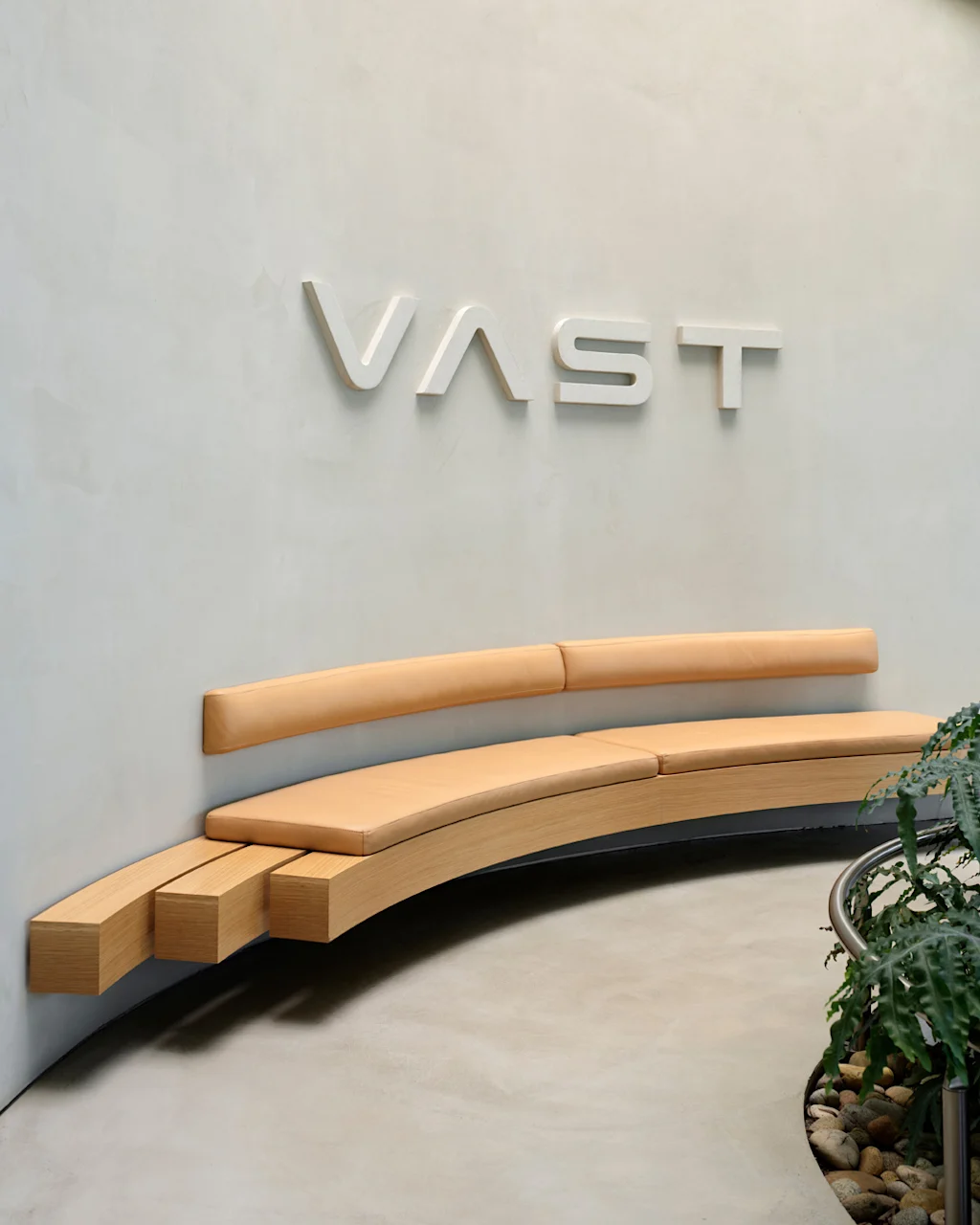
Step inside the gorgeous, futuristic offices of Vast, the startup designing the next-gen space station
A tall baobab tree greets people inside the Long Beach, California, headquarters of Vast, an aerospace company that is building the space station of the future. It’s planted beneath a…

5 ways high-performing teams stay calm when everything’s on fire
When markets swing, plans break, inboxes explode, and everyone starts saying the situation is “unprecedented” again, most teams do what humans have always done under pressure: they grip…

Confused Trump Openly Admits Plot to Rig Midterms as Polls Turn Brutal
Last week, the Supreme Court gutted protections against racial gerrymandering, and Donald Trump is already urging Republicans to seize on it. Trump unleashed a Truth Social rant on Monday…