

Anthropic Settles High-Profile AI Copyright Lawsuit Brought by Book Authors
Anthropic has reached a preliminary settlement in a class action lawsuit brought by a group of prominent authors, marking a major turn in one of the most significant ongoing AI copyright lawsuits in history. The move will allow Anthropic to avoid what could have been a financially devastating outcome in court.
The settlement agreement is expected to be finalized on September 3, with more details to follow, according to a legal filing published Tuesday. Anthropic declined to comment. “This historic settlement will benefit all class members. We look forward to announcing details of the settlement in the coming weeks,” Justin Nelson, a lawyer representing the plaintiffs, said in a statement to WIRED.
In 2024, three book writers, Andrea Bartz, Charles Graeber, and Kirk Wallace Johnson, sued Anthropic, alleging that the startup illegally used their work to train its artificial intelligence models. In June, California district court judge William Alsup issued a summary judgment in Bartz v. Anthropic that largely sided with Anthropic, finding that the company’s usage of the books was “fair use” and thus legal.
But the judge ruled that the manner in which Anthropic had acquired some of the works, by downloading them through so-called shadow libraries, including a notorious site called LibGen, constituted piracy. Alsup ruled that the book authors could still take Anthropic to trial in a class action for pirating their works; the legal showdown was slated to begin in December.
Statutory damages for this kind of piracy start at $750 per infringed work, according to US copyright law. Because the library of books amassed by Anthropic was thought to contain approximately 7 million works, the AI company was potentially facing court-imposed penalties amounting to billions, possibly more than $1 trillion dollars.
“It’s a stunning turn of events, given how Anthropic was fighting tooth and nail in two courts in this case. And the company recently hired a new trial team,” says Edward Lee, a law professor at Santa Clara University who closely follows AI copyright litigation. “But they had few defenses at trial, given how Judge Alsup ruled. So Anthropic was starting at the risk of statutory damages in ‘doomsday’ amounts.”
Most authors who may have been part of the class action were just starting to receive notice that they qualified to participate. The Authors Guild, a trade group representing professional writers, sent out a notice alerting authors that they might be eligible earlier this month, and lawyers for the plaintiffs were scheduled to submit a “list of affected works” to the court on September 1. This means that many of these writers were not privy to the negotiations that took place.
“The big question is whether there is a significant revolt from within the author class after the settlement terms are unveiled,” says James Grimmelmann, a professor of digital and internet law at Cornell University. “That will be a very important barometer of where copyright owner sentiment stands.”
Anthropic is still facing a number of other copyright-related legal challenges. One of the most high-profile disputes involves a group of major record labels, including Universal Music Group, which allege that the company illegally trained its AI programs on copyrighted lyrics. The plaintiffs recently filed to amend their case to allege that Anthropic had used the peer-to-peer file sharing service BitTorrent to download songs illegally.
Settlements don’t set legal precedent, but the details of this case will likely be watched closely as dozens of other high-profile AI copyright cases continue to wind through the courts.
Update: 8/26/25, 11:40 pm EST: This story has been updated to include comment from an attorney representing the plaintiffs.
Originally published by wired.com. Syndicated material does not necessarily reflect the views of Grazia British.
More Culture

Don’t Pull Out of Germany
Merz’s stupidity is no excuse for a stupid response. Source link
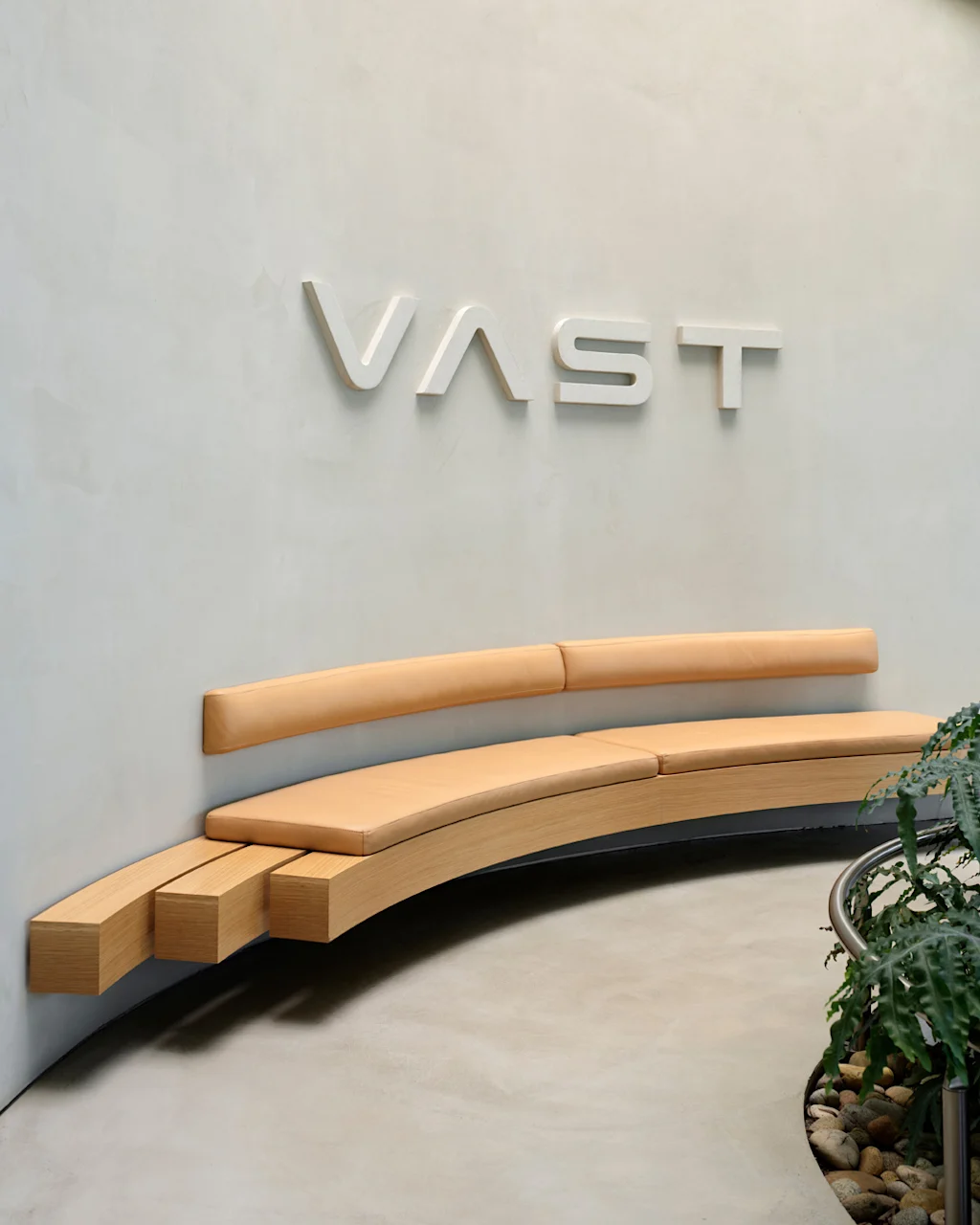
Step inside the gorgeous, futuristic offices of Vast, the startup designing the next-gen space station
A tall baobab tree greets people inside the Long Beach, California, headquarters of Vast, an aerospace company that is building the space station of the future. It’s planted beneath a…

5 ways high-performing teams stay calm when everything’s on fire
When markets swing, plans break, inboxes explode, and everyone starts saying the situation is “unprecedented” again, most teams do what humans have always done under pressure: they grip…

Confused Trump Openly Admits Plot to Rig Midterms as Polls Turn Brutal
Last week, the Supreme Court gutted protections against racial gerrymandering, and Donald Trump is already urging Republicans to seize on it. Trump unleashed a Truth Social rant on Monday…