

Archbishop of Canterbury withdraws award from Muslim cleric who praised Osama bin Laden
The Archbishop of Canterbury has withdrawn an award given to a Muslim cleric who praised Osama Bin Laden.
Hafiz Muhammad Tahir Mehmood Ashrafi received the award for reconciliation and interfaith cooperation from Dame Sarah Mullally last week, on the 25th anniversary of the 9/11 attacks.
Lambeth Palace faced a backlash after it emerged Ashrafi praised Bin Laden - the architect of the 2001 attacks - as someone who had "been fighting for Islam against the Russians, Americans and British", in comments from 2007.
Ashrafi also reportedly said he would give Bin Laden the title Saifullah, which means "Sword of God". He told the BBC his remarks had been "totally taken out of context".
In presenting the award last week, the Archbishop's office said Ashrafi was being honoured for "his outstanding work as an ambassador of interfaith harmony in Pakistan, known for his commitment to promoting religious tolerance".
His award was presented by Dame Sarah in a ceremony that coincided with the 25th anniversary of the 9/11 attacks in the US in which nearly 3,000 people were killed.
Ashrafi told the BBC that his remarks had been "totally taken out of context" and the backlash had been "an unfair campaign" against him.
He said that he was only speaking about Bin Laden in 2007 in response to "the hurt felt by many Muslims" over a knighthood being awarded to the Satanic Verses author Sir Salman Rushdie.
But he defended the comparison he made between an author and a man who was behind the deaths of thousands of people.
Criticism of Ashrafi has gone beyond his comments about Bin Laden.
In giving him his award for promoting interfaith harmony last week, Lambeth Palace had cited the fact that Ashrafi had intervened in the 2012 case of Rimsha Masih, a young Christian girl in Pakistan falsely accused of blasphemy.
But Ashrafi has otherwise been supportive of Pakistan's blasphemy laws that have led to an estimated 2000 people being prosecuted since the late 1980s.
They include a disproportionately high number of Pakistan's minority Christians and Ahmadis in particular, but many majority Sunni Muslims too.
Ashrafi claimed the blasphemy laws actually "save lives", stopping people taking matters into their own hands.
But Human Rights Watch said last year that "the laws perpetuate religious discrimination and are used to target the poor and minorities in unlawful evictions and land grabs".
The organisation has called on the Pakistani government to urgently reform the laws to prevent them "being weaponised to [...] attack marginalised communities".
Originally published by bbc.co.uk. Syndicated material does not necessarily reflect the views of Grazia British.
More Culture
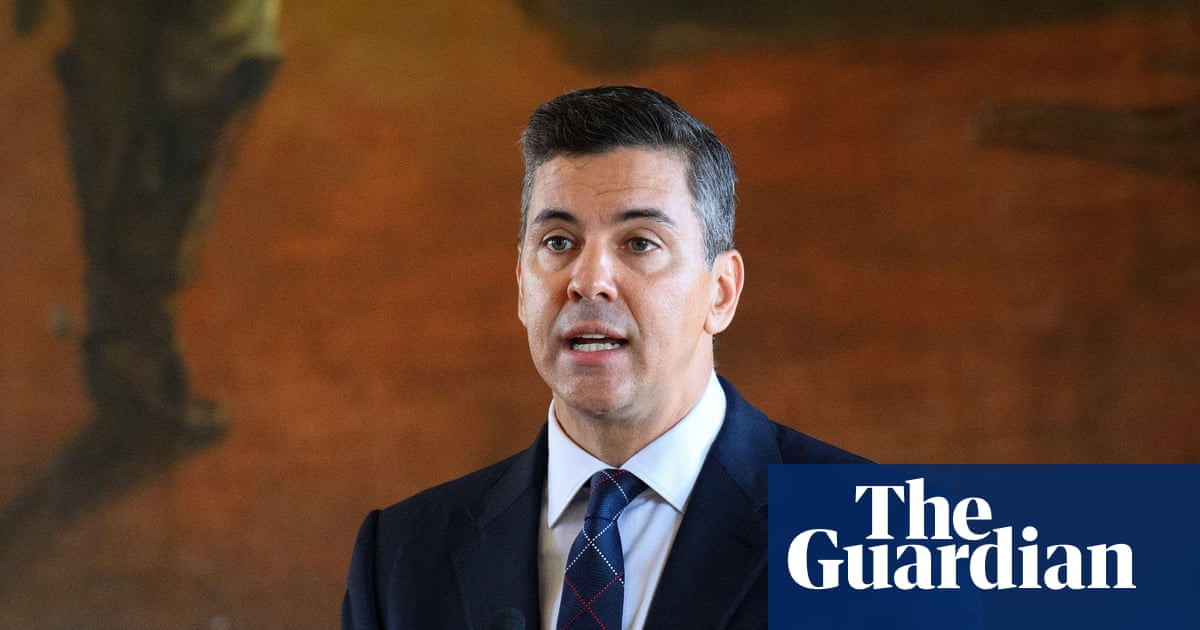
Paraguay’s president quits after millions of people’s savings frozen in bank crisis
Santiago Peña’s rightwing administration had authorised Ueno Bank to drastically expand operations before collapse
US stocks rise, dollar slides as investors digest Democrats’ midterm victories
Government bond yields fall while initial fears ease over impact of election results on world’s biggest economy

John Lewis Christmas ad stars Kristin Scott Thomas as glamorous granny on a gift hunt
Company tugs at heartstrings with Pickles the talking toy dog as it celebrates 20 years of blockbuster festive ads
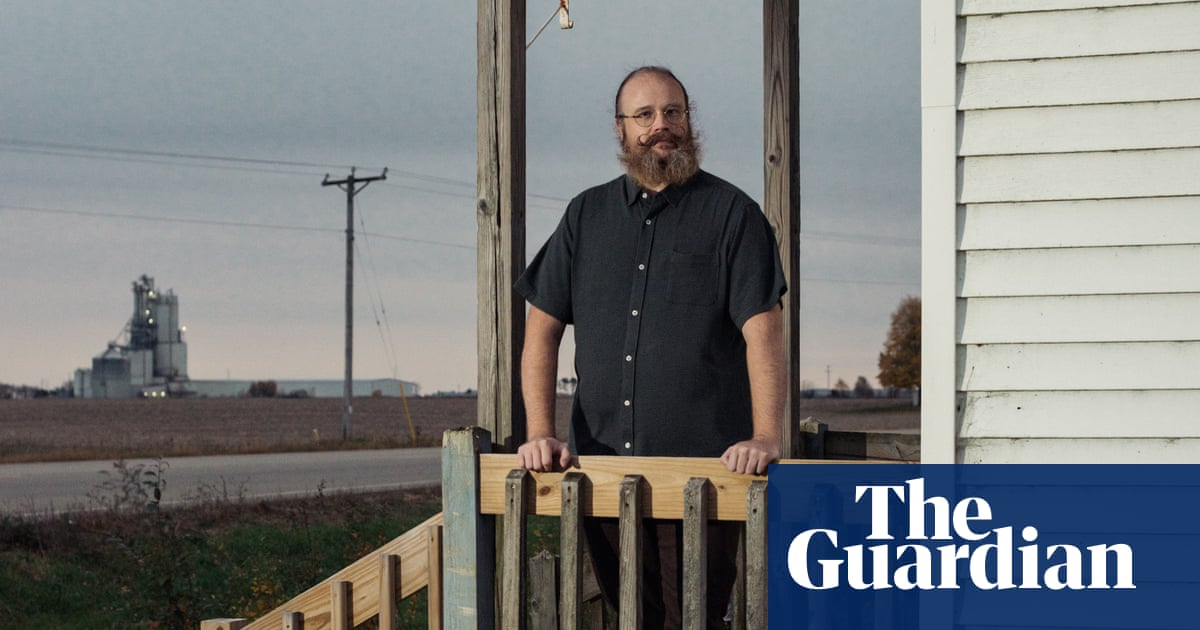
How a small Wisconsin city scuttled a secretive $1.6bn datacenter project
Residents of Menomonie mounted a successful protest against a huge campus in the city as national resistance to the AI boom grows