Arkansas drops PBS, citing costs and loss of federal funding
The fallout from the Trump administration’s dramatic cuts to American public media is only just beginning.
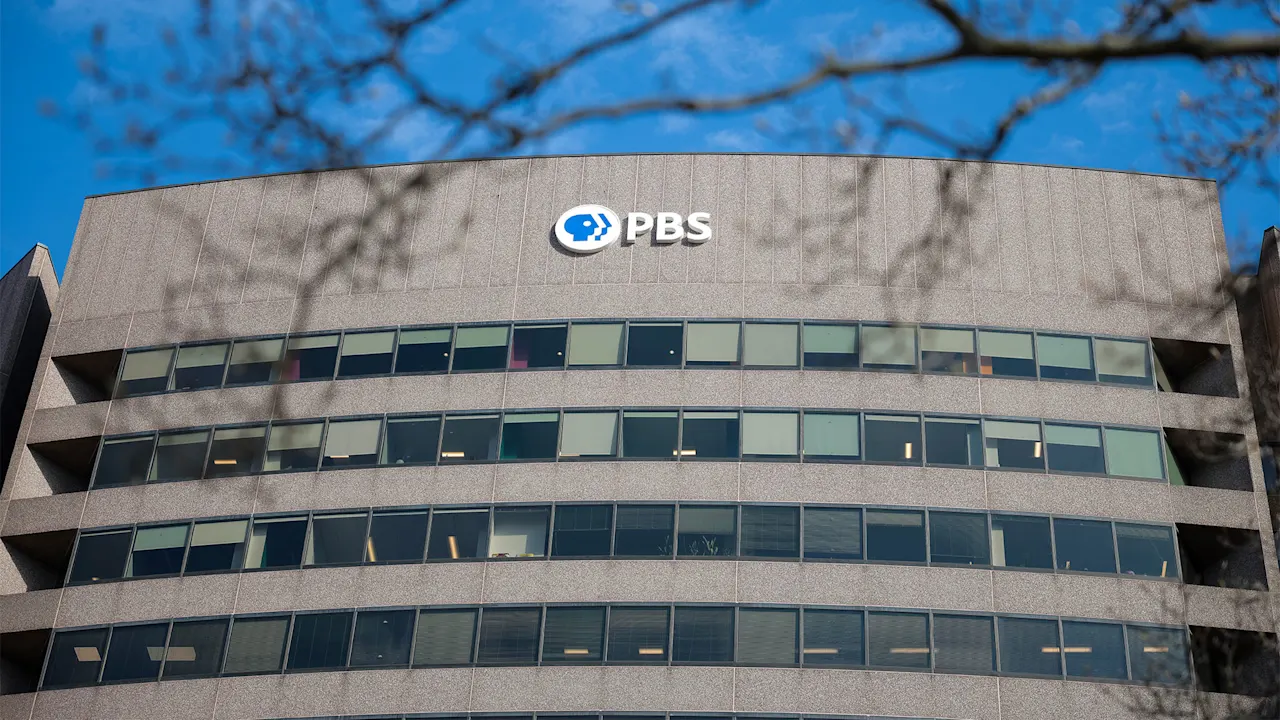
The governing group that oversees public educational TV in Arkansas voted on Thursday to split with PBS, the national public broadcast network best known for Sesame Street. The network formerly known as Arkansas PBS will rebrand as Arkansas TV, making it the first state public broadcast network to part with the national network synonymous with public access TV.
The state network will officially sever its ties to PBS on July 1, 2026, at the beginning of Arkansas’ next fiscal year. Its commission framed the decision as a cost saving measure, citing a loss of the federal funds it relies on to pay annual dues of around $2.5 million to access PBS programming. The organization’s commissioners, who voted six to two in favor of splitting from PBS, are appointed by the governor.
The Arkansas network, which has already rebranded its website as ArkansasTV, says it is developing a new lineup of shows, including two shows for children, two food shows and two new series focused on history.
“Public television in Arkansas is not going away,” ArkansasTV Executive Director and CEO Carlton Wing said in the announcement. “In fact, we invite you to join our vision for an increased focus on local programming, continuing to safeguard Arkansans in times of emergency and supporting our K-12 educators and students.”
ArkansasTV paints an optimistic picture, but the state’s residents broadly support PBS according to recent surveying from YouGov. In a statement to Fast Company, PBS noted that 70% of Arkansas residents believe that PBS brings an “excellent value” to their community. “The commission’s decision to drop PBS membership is a blow to Arkansans who will lose free, over the air access to quality PBS programming they know and love,” a PBS spokesperson said. “It also goes against the will of Arkansas viewers.”
Decades of public media undone
The decision to go it alone comes as the Trump administration targets public broadcasting with deep funding cuts, part of an aggressive campaign to defund agencies and initiatives it views as politically opposed to its priorities. Those cuts slashed $500 million in yearly funding from the Corporation for Public Broadcasting, a private nonprofit authorized by Congress in 1967 to manage funds for public media.
In light of a shortage of federal funding, the organization announced in August that it planned to end operations and shut its doors. “Public media has been one of the most trusted institutions in American life, providing educational opportunity, emergency alerts, civil discourse, and cultural connection to every corner of the country,” CPB President and CEO Patricia Harrison said at the time.
The nonprofit historically doles out funds to PBS, NPR, and more than 1,000 local TV and radio stations. Sesame Street and Mister Rogers’ Neighborhood, two iconic public TV shows, were both made possible with funding from the CPB. On Truth Social, President Trump called PBS and NPR “two horrible and completely biased platforms,” urging Congress to defund what he characterized as a scam perpetrated by “the Radical Left.”
The cascade of effects from the CPB’s collapse will continue, but they aren’t the only threat to public broadcasting under the second Trump administration. This week, the conservative nonprofit law firm the Center for American Rights called on the FCC to revoke PBS and NPR’s broadcast licenses. Trump himself has also suggested revoking broadcast licenses as a political weapon, declaring that ABC affiliates should have theirs “taken away” after an ABC News reporter asked a question about Jeffrey Epstein in an Oval Office event last month.
Originally published by fastcompany.com. Syndicated material does not necessarily reflect the views of Grazia British.
More Culture

Don’t Pull Out of Germany
Merz’s stupidity is no excuse for a stupid response. Source link

Step inside the gorgeous, futuristic offices of Vast, the startup designing the next-gen space station
A tall baobab tree greets people inside the Long Beach, California, headquarters of Vast, an aerospace company that is building the space station of the future. It’s planted beneath a…

5 ways high-performing teams stay calm when everything’s on fire
When markets swing, plans break, inboxes explode, and everyone starts saying the situation is “unprecedented” again, most teams do what humans have always done under pressure: they grip…

Confused Trump Openly Admits Plot to Rig Midterms as Polls Turn Brutal
Last week, the Supreme Court gutted protections against racial gerrymandering, and Donald Trump is already urging Republicans to seize on it. Trump unleashed a Truth Social rant on Monday…