
Australia’s central bank cuts rates to two-year low of 3.85%
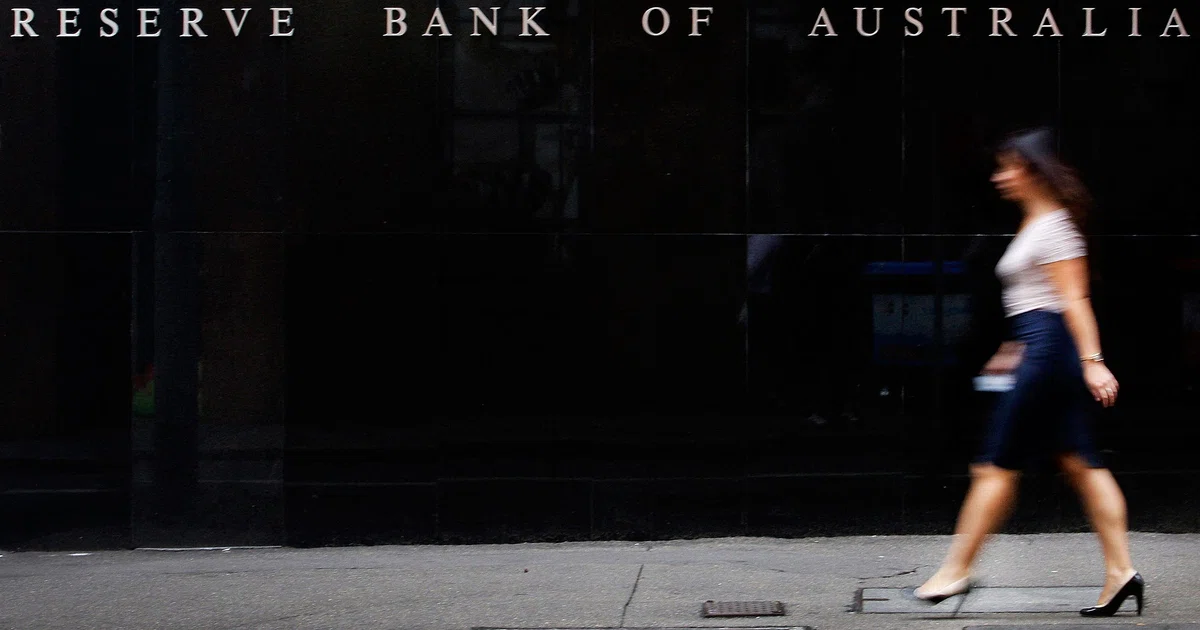
Australia’s central bank on Tuesday (May 20) cut its main cash rate by 25 basis points to a two-year low of 3.85% citing a darker global outlook and cooling inflation at home, though it also remained cautious on further easing.
The Australian dollar fell 0.4 per cent to $0.6429 and three-year bond futures rose 2 ticks to 96.37. Swaps imply a total easing of 57 basis points by the end of the year.
Wrapping up a two-day policy meeting, the Reserve Bank of Australia (RBA) said upside risks to inflation had diminished while international developments were expected to weigh on the domestic economy.
Markets had been fully priced for an easing given a slowdown in inflation at home and a darker outlook globally following last month’s announcement of hefty US tariffs on imports.
“Inflation is in the target band and upside risks appear to have diminished as international developments are expected to weigh on the economy,” the board said in a statement.
“The board assesses that this move will make monetary policy somewhat less restrictive. It nevertheless remains cautious about the outlook.”
BT in your inbox

Start and end each day with the latest news stories and analyses delivered straight to your inbox.
Headline consumer price inflation held at 2.4 per cent in the first quarter and a key trimmed mean measure of core inflation slowed to 2.9 per cent, taking it back into the RBA‘s target band of 2 per cent to 3 per cent for the first time since late 2021.
Since the RBA last met in April, the global landscape has changed drastically.
US President Donald Trump’s global trade war has roiled financial markets and upended business plans. Trump has imposed 10 per cent blanket import duties on the rest of the world, and after a tariff showdown with China that threatened a global recession, both agreed to slash sky-high duties on each other’s goods for 90 days.
Australia is a major exporter of resources to China and tariffs on the world’s second-biggest economy could hinder growth there and its demand for commodities such as iron ore.
At home, the flow of data has been mixed, with the anticipated rebound in consumer spending disappointingly soft. The labour market, however, remained surprisingly strong, with the jobless rate staying low at 4.1 per cent where it has roughly been for over a year now.
Wages growth picked up in the first quarter, but that was due to government pay rises and should not lead to a damaging wage-price spiral.
On Tuesday, the RBA also said inflation would be lower and unemployment higher due to the cascading effects of global trade tensions, and that was even assuming interest rates were cut as deeply as markets expected. REUTERS
Originally published by businesstimes.com.sg. Syndicated material does not necessarily reflect the views of Grazia British.
More Culture

Don’t Pull Out of Germany
Merz’s stupidity is no excuse for a stupid response. Source link

Step inside the gorgeous, futuristic offices of Vast, the startup designing the next-gen space station
A tall baobab tree greets people inside the Long Beach, California, headquarters of Vast, an aerospace company that is building the space station of the future. It’s planted beneath a…

5 ways high-performing teams stay calm when everything’s on fire
When markets swing, plans break, inboxes explode, and everyone starts saying the situation is “unprecedented” again, most teams do what humans have always done under pressure: they grip…

Confused Trump Openly Admits Plot to Rig Midterms as Polls Turn Brutal
Last week, the Supreme Court gutted protections against racial gerrymandering, and Donald Trump is already urging Republicans to seize on it. Trump unleashed a Truth Social rant on Monday…