

Authoritarianism Is Made—and It Can Be Unmade
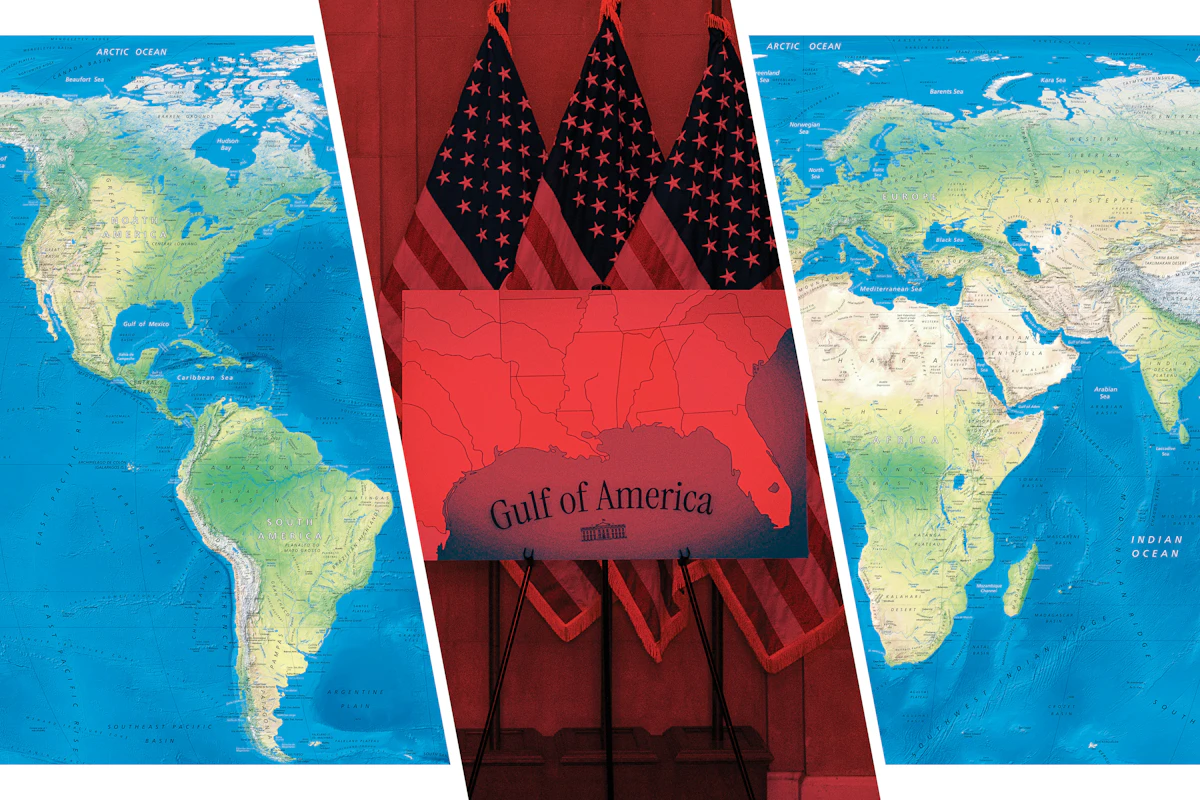
I am a historian of South Asia who moved to the United States in 2011. Almost immediately I was struck by how firmly the geographical distance of America from the rest of the world is mirrored in approaches to teaching and learning U.S. history. Students coming to college view American history primarily, if not exclusively, through the lens of the nation-state. In the words of the historian Steven Mintz, the teaching of U.S. history as divorced from the global context is “the curse of insularity.”
The result is not merely general ignorance about the world beyond the U.S. borders, but also no real understanding of transnational trends. A warped sense of American exceptionalism informs how college students engage with both American and world history. Consequently, over the years that I have taught the history of South Asia, it has always been a challenge to get students to recognize patterns of similarity between the rest of the world and the United States.
But this year was different. After Donald Trump was elected to office the second time, I found my students more open to the value and significance of studying the history of other places. This came through most clearly during the spring semester, when I was teaching my course Nuclear Nations: India and Pakistan as Rival Siblings. Designed as an inquiry into the divergent paths of two countries born at the same moment—one becoming the largest democracy in the world, while the other was subject to repeated military dictatorships—the course pushes students to consider how even the world’s largest democracy is in fact prone to bureaucratic authoritarianism.
When I started teaching the course this year, the majority of my students at Carleton College were still reeling from the results of the elections. Many said that, in the face of the fire hose of illiberal executive orders, the perversion of the rule of law, and the blatant disregard for constitutional norms, they no longer read the news, because it was “too depressing.” Some even said they were taking my course as a means to escape the present moment. As it turned out, it was learning about the history of South Asia that helped them ground themselves and contend with the ugly realities of Trump 2.0.
Perhaps the most pivotal class session in the term occurred when I used the poetry of Faiz Ahmed Faiz to teach my students about the autocratic, oppressive regime of Pakistan’s General Zia ul-Haq. In 1977, Zia led a military coup; in 1979, he executed Zulfiqar Ali Bhutto, the democratically elected prime minister of Pakistan. Faiz, an outspoken communist, went into exile in Beirut, where he penned his protest poem “Hum Dekhenge” (“We Shall Bear Witness”). I encourage you to read the full poem but here is the most relevant excerpt:
Originally published by newrepublic.com. Syndicated material does not necessarily reflect the views of Grazia British.
More Culture

Don’t Pull Out of Germany
Merz’s stupidity is no excuse for a stupid response. Source link

Step inside the gorgeous, futuristic offices of Vast, the startup designing the next-gen space station
A tall baobab tree greets people inside the Long Beach, California, headquarters of Vast, an aerospace company that is building the space station of the future. It’s planted beneath a…

5 ways high-performing teams stay calm when everything’s on fire
When markets swing, plans break, inboxes explode, and everyone starts saying the situation is “unprecedented” again, most teams do what humans have always done under pressure: they grip…

Confused Trump Openly Admits Plot to Rig Midterms as Polls Turn Brutal
Last week, the Supreme Court gutted protections against racial gerrymandering, and Donald Trump is already urging Republicans to seize on it. Trump unleashed a Truth Social rant on Monday…