
Big US banks lower prime lending rates after Fed rate cut
MAJOR US lenders lowered a key interest rate on Wednesday, providing US consumers a reprieve on borrowing costs, after the Federal Reserve cut interest rates for the first time this year.
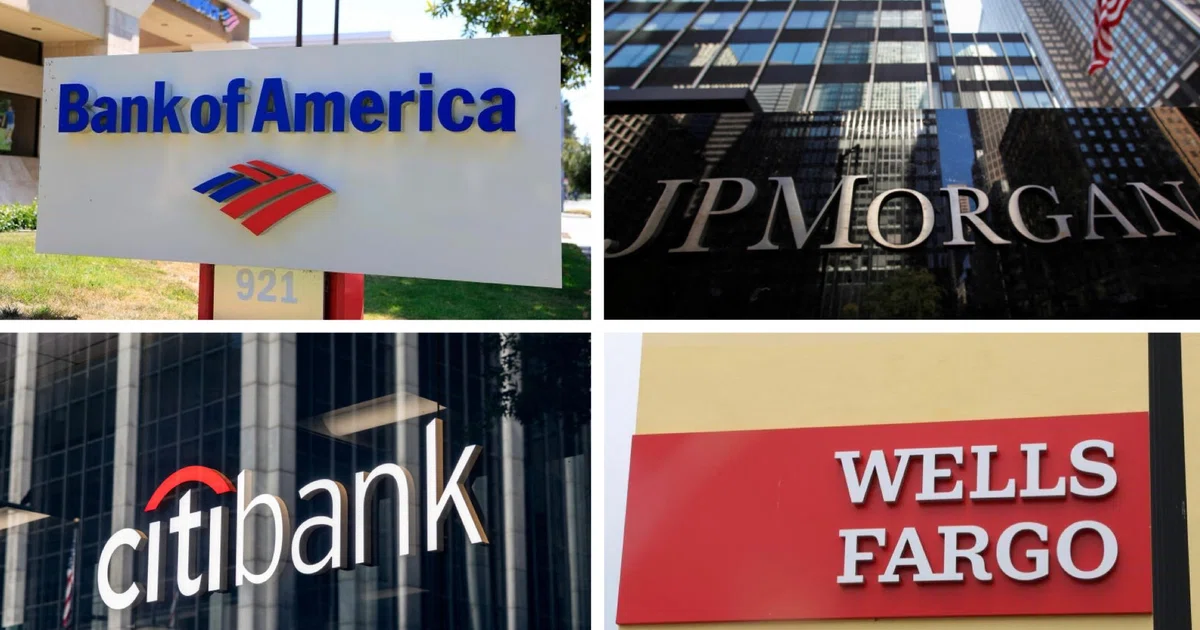
JPMorgan Chase, Citigroup, Wells Fargo and Bank of America lowered their prime lending rates to 7.25 per cent from 7.50 per cent following the Fed’s first cut, by 25 basis points, since December.
The prime rate, or the interest rate that commercial banks charge their most creditworthy customers - typically large corporations - serves as the baseline for setting interest rates on mortgages, small business and personal loans and credit cards, among others.
With inflation still above the Fed’s 2 per cent target and the price impact of US President Donald Trump’s tariffs uncertain, the rate cut indicates the Fed is now more concerned about weakening growth and the likelihood of rising unemployment.
“Although the summer began with expectations of holding rates steady, the labour market has shown more signs of weakness than anticipated, with jobless claims now at their highest levels in nearly four years,” said Richard Flynn, managing director at Charles Schwab UK.
Macroeconomic uncertainty from US trade policy has led businesses to hold off hiring, resulting in meager job gains, which have further stoked fears of a stalling labour market.
BT in your inbox

Start and end each day with the latest news stories and analyses delivered straight to your inbox.
At this time, lower borrowing costs can catalyse more loan originations, increasing the volume of interest-earning assets on US banks’ balance sheets.
Cheaper credit might also qualify more small businesses for loans, standards for which were tightened when rates went up and the economic outlook deteriorated. Well-capitalised businesses are more likely to resume hiring, further supporting consumer spending.
However, material risks still linger, and the top boss of JPMorgan Chase agrees.
Last week, JPMorgan CEO Jamie Dimon, who is a prominent voice on Wall Street, warned that the impact of tariffs, immigration, geopolitics and Trump’s tax and spending package is still not fully known.
Goldman CEO David Solomon echoed those concerns in a CNBC interview last week, adding that it’s hard to quantify the impact of tariffs.
“There’s no question in my mind that it’s having an impact on growth.” REUTERS
Originally published by businesstimes.com.sg. Syndicated material does not necessarily reflect the views of Grazia British.
More Culture

Don’t Pull Out of Germany
Merz’s stupidity is no excuse for a stupid response. Source link

Step inside the gorgeous, futuristic offices of Vast, the startup designing the next-gen space station
A tall baobab tree greets people inside the Long Beach, California, headquarters of Vast, an aerospace company that is building the space station of the future. It’s planted beneath a…

5 ways high-performing teams stay calm when everything’s on fire
When markets swing, plans break, inboxes explode, and everyone starts saying the situation is “unprecedented” again, most teams do what humans have always done under pressure: they grip…

Confused Trump Openly Admits Plot to Rig Midterms as Polls Turn Brutal
Last week, the Supreme Court gutted protections against racial gerrymandering, and Donald Trump is already urging Republicans to seize on it. Trump unleashed a Truth Social rant on Monday…