
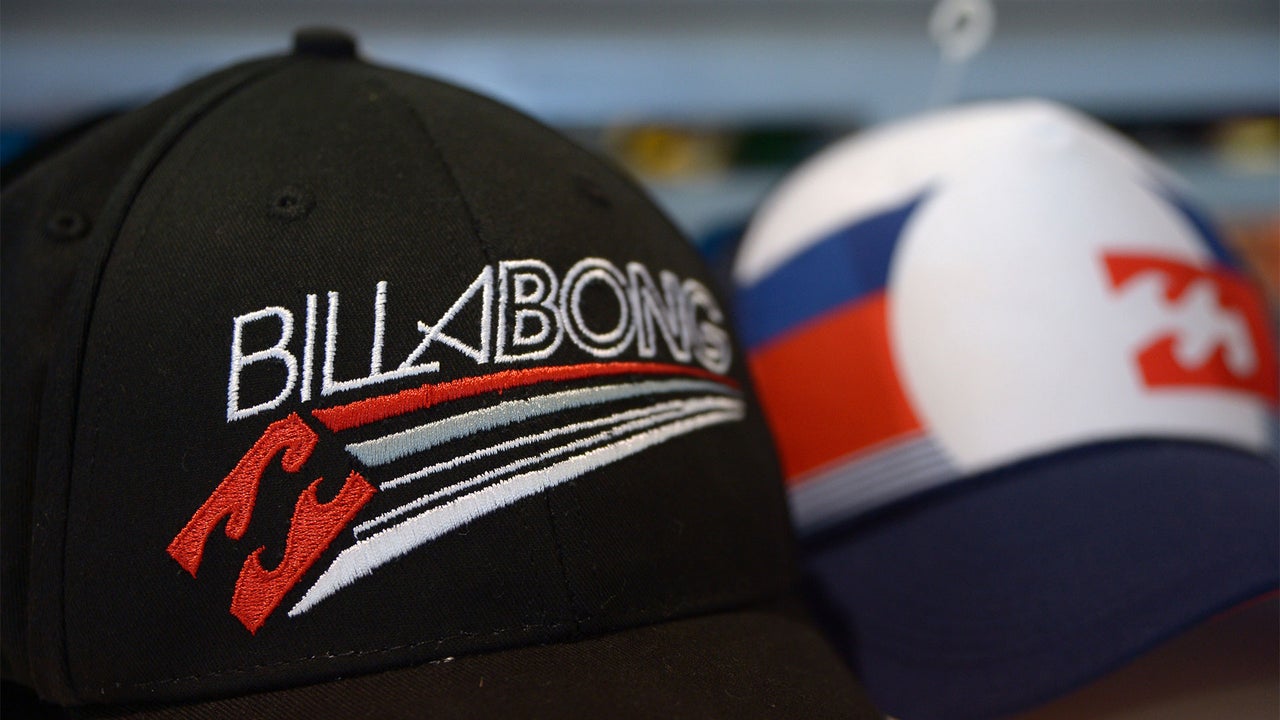
Billabong, Roxy, Volcom on list of 120 stores closing as Liberated Brands files for Chapter 11 bankruptcy, blames fast fashion
It’s the end of an era for surf-and-skate-inspired clothing enthusiasts, as some once-beloved stores close their doors.
Liberated Brands, which owns Billabong, Quicksilver, Volcom, Roxy, and other brands, filed for Chapter 11 bankruptcy in Delaware this week. As a result, 120 stores across the U.S. owned by the company will close. The company will also close its international offices, and has laid off 1,400 employees.
In a declaration filed along with the Chapter 11 petition, CEO Todd Hymel blamed the rise of fast fashion brands, as well as high interest rates and inflation, for the brand’s demise.
“The average consumer has shifted their spending away from discretionary products such as those offered by Liberated,” Hymel said in the court filing. “Consumers can cheaply, quickly, and easily order low-quality clothing garments from fast fashion powerhouses and have such goods delivered within days.”
Just a few years ago, Liberated was booming. From 2021 to 2022, it more than doubled the number of retail locations it owned, going from 67 stores to 140 locations. It also took on additional brand licenses under New York-based Authentic Brands Group (ABG).
But in recent years, inflation and supply chain issues began to hit the company hard. As more people pulled back on discretionary purchases or turned toward budget brands, more Liberated-owned stores began underperforming. In December 2024, ABG withdrew its licenses.
In a statement, Liberated said it has “worked tirelessly over the last year to propel these iconic brands forward, but a volatile global economy, consumer spending changes amid a rising cost of living and inflationary pressures have all taken a heavy toll.”
Luckily, fans of the surf-and-skate-inspired clothing won’t have to look too hard to find it after the bankruptcy. The individual brands are already sold at other retailers including Dick’s Sporting Goods, PacSun, and Kohl’s. As Liberated winds down, it will be looking for more wholesale partners to continue selling the products.
Meanwhile, the fast fashion industry, which targets young shoppers, is certainly booming. The clothes are cheaply made and affordable, but the industry’s high energy use, toxic chemicals, and the reality of how many briefly worn items end up in landfills all point to how detrimental fast fashion is for the planet. However, 2022 data from ThredUp suggested there’s an addictive nature to fast fashion brands like Shein, Temu, and others, despite the fact that the environmental strain is massive.
Originally published by fastcompany.com. Syndicated material does not necessarily reflect the views of Grazia British.
More Culture

Don’t Pull Out of Germany
Merz’s stupidity is no excuse for a stupid response. Source link

Step inside the gorgeous, futuristic offices of Vast, the startup designing the next-gen space station
A tall baobab tree greets people inside the Long Beach, California, headquarters of Vast, an aerospace company that is building the space station of the future. It’s planted beneath a…

5 ways high-performing teams stay calm when everything’s on fire
When markets swing, plans break, inboxes explode, and everyone starts saying the situation is “unprecedented” again, most teams do what humans have always done under pressure: they grip…

Confused Trump Openly Admits Plot to Rig Midterms as Polls Turn Brutal
Last week, the Supreme Court gutted protections against racial gerrymandering, and Donald Trump is already urging Republicans to seize on it. Trump unleashed a Truth Social rant on Monday…