

ByteDance and DeepSeek Are Placing Very Different AI Bets
Go high or go wide? DeepSeek and ByteDance, the two leaders of China’s AI industry, are adopting vastly different strategies.
On Monday, DeepSeek released DeepSeek V3.2, another open-weight model that anyone can tinker with. The startup says it performs on par with the latest models from OpenAI and Google, and it even beats them on some key mathematics benchmarks.
That same day, ByteDance, whose dominance in AI applications we covered previously, introduced even more ways for people to use its chatbot, Doubao. ByteDance is now working with a Chinese smartphone manufacturer to embed Doubao into the operating system, giving it access to different apps and allowing it to conduct agentic tasks with them. In other words, it’s coming for Apple’s Siri.
Both ByteDance and DeepSeek have AI apps with over 140 million monthly users. But their latest announcements represent two diverging trends in China’s AI industry. While some companies are still competing with their Western counterparts to build ever more capable models, others have quietly withdrawn from that game and are focusing on how they can integrate their AI tools into people’s everyday lives.
DeepSeek Resurfaces
DeepSeek’s latest open-weight model may have disappointed some of its most loyal followers, who are still waiting for R2, a much-anticipated update to the initial model that rocked Silicon Valley in January. Instead, DeepSeek released V3.2 and V3.2-Speciale, which are better-optimized versions of its previous model V3.2-Exp, released in September.
Still, V3.2 caused a stir in the AI industry because DeepSeek claims it can solve the type of advanced math questions asked at the International Mathematical Olympiad, and its performance on other coding and reasoning tasks is supposedly on par with or above GPT 5 and Gemini 3. “It suddenly dawned on me why they call the company DeepSeek with the whale as a motif. Because just like a whale, it rarely surfaces, but every time it surfaces, it always makes a massive splash,” says Jen Zhu Scott, an AI investor and the cofounder and CEO of Power Dynamics, a modular data-center solutions firm.
However, I can’t help but feel like this arms race of AI models is getting a little tiring, particularly because so many new ones have been released in the last month, each claiming to take humanity one step higher. In less than 20 days, we had OpenAI’s GPT 5.1, Google’s Gemini 3 Pro, Anthropic’s Claude Opus 4.5; throw in Chinese open source models like Moonshot’s Kimi K2 and DeepSeek’s V3.2, and it becomes a total mess. My attention span can be summarized by this perfect meme.
“At the end of the day, we can't keep up with all these hairline differences between different models, different releases,” Zhu says. “It actually doesn't make a huge difference, apart from some kind of stock market speculation on who's gonna win.”
Originally published by wired.com. Syndicated material does not necessarily reflect the views of Grazia British.
More Culture

Don’t Pull Out of Germany
Merz’s stupidity is no excuse for a stupid response. Source link
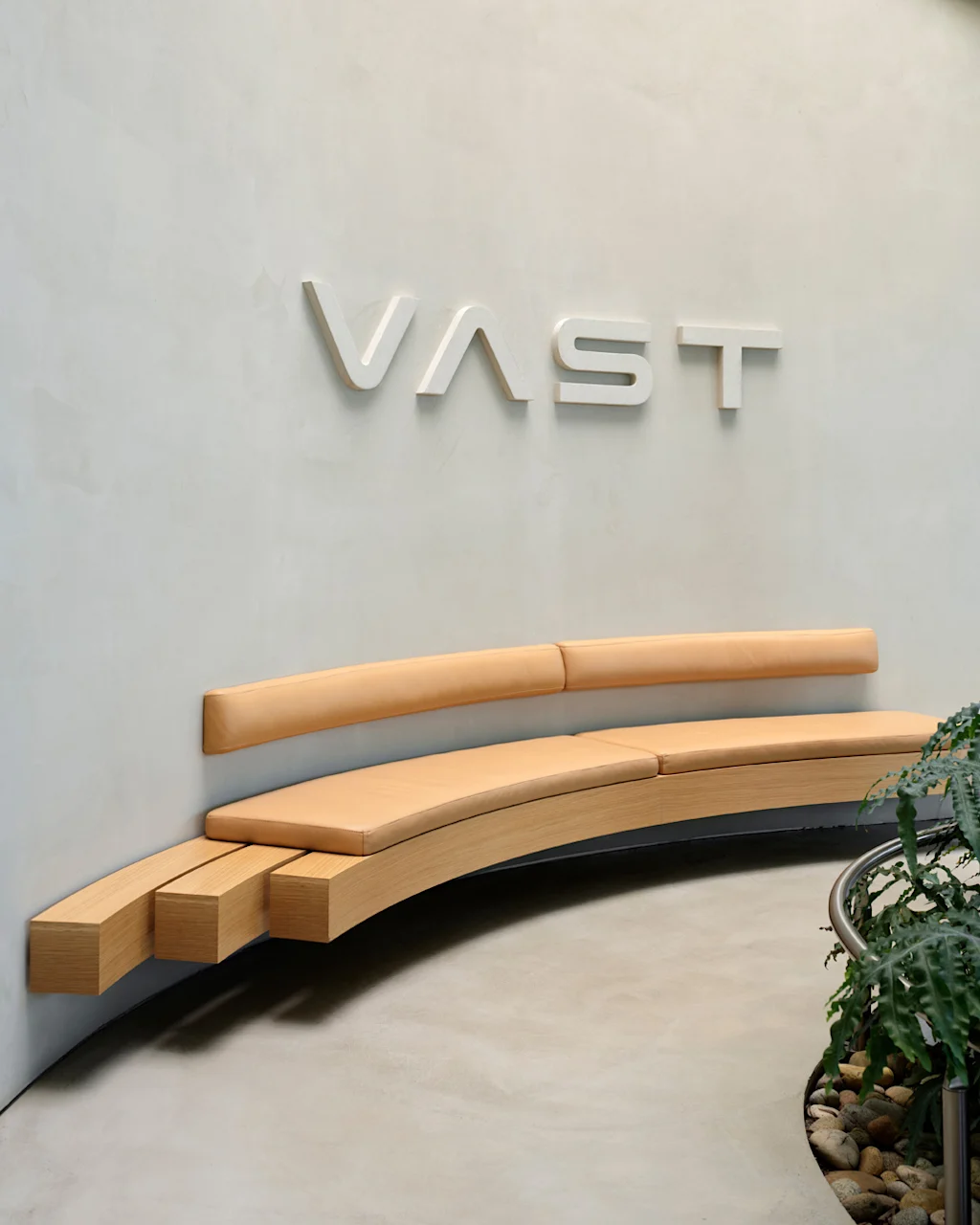
Step inside the gorgeous, futuristic offices of Vast, the startup designing the next-gen space station
A tall baobab tree greets people inside the Long Beach, California, headquarters of Vast, an aerospace company that is building the space station of the future. It’s planted beneath a…

5 ways high-performing teams stay calm when everything’s on fire
When markets swing, plans break, inboxes explode, and everyone starts saying the situation is “unprecedented” again, most teams do what humans have always done under pressure: they grip…

Confused Trump Openly Admits Plot to Rig Midterms as Polls Turn Brutal
Last week, the Supreme Court gutted protections against racial gerrymandering, and Donald Trump is already urging Republicans to seize on it. Trump unleashed a Truth Social rant on Monday…