
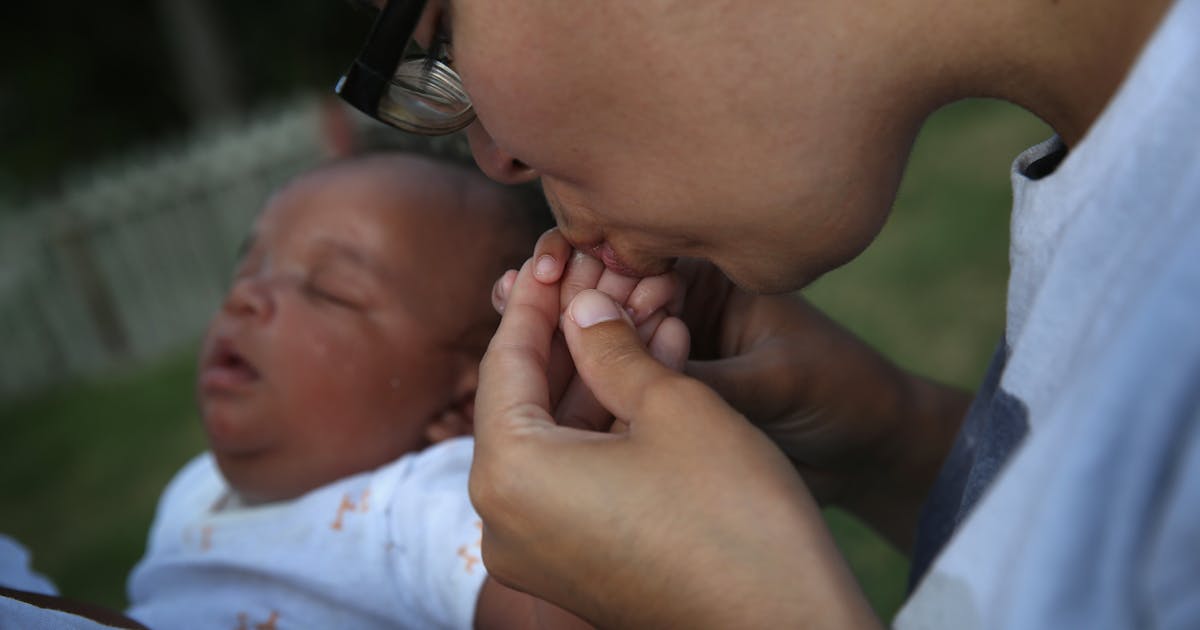
Cash Payments Were Never Meant to Be a Cure-All for Poor Americans
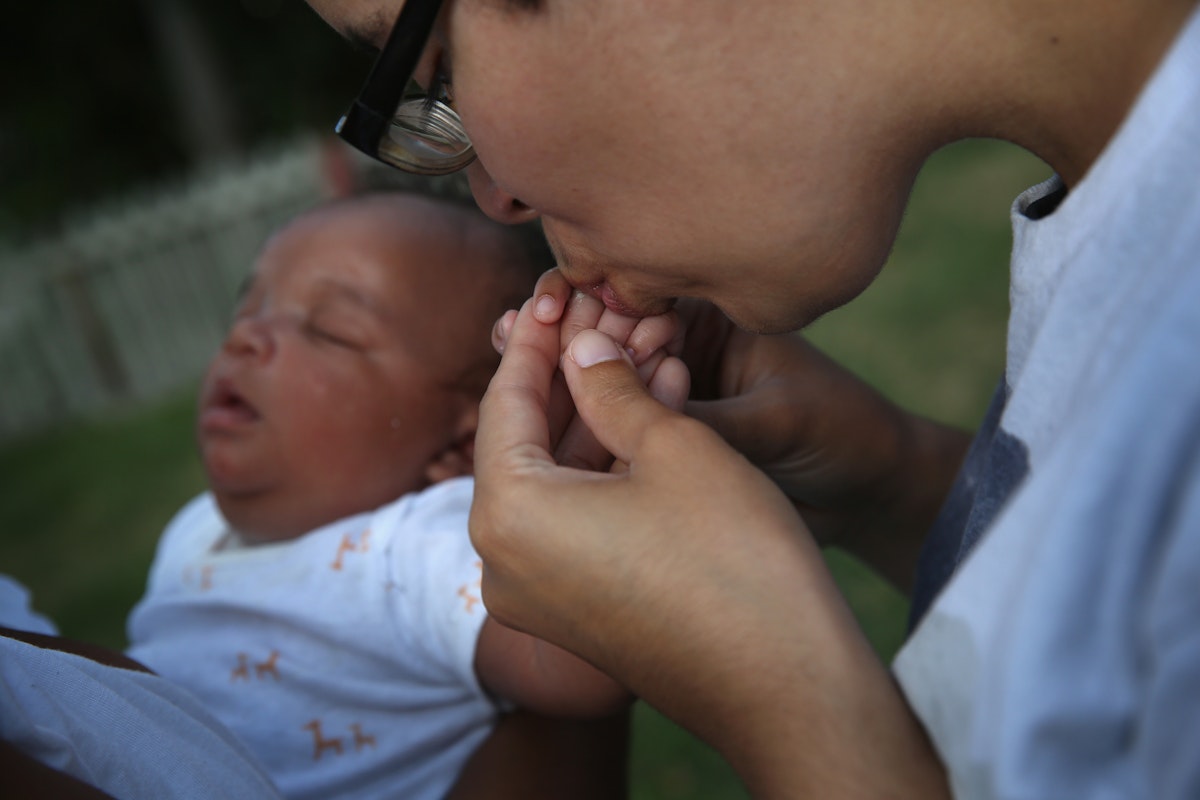
More important, this study has to be evaluated within a large body of qualitative and quantitative evidence that shows cash payments to families can have a positive effect on both parents and their children, which Waldfogel has recently surveyed for her book. “We know very robustly that if you give families money, it reduces poverty and it reduces hardship,” she said.
But perhaps even more relevant, the “Baby’s First Years” researchers were not setting out to prove that a small amount of money every month would have measurable impacts on cognitive development after only four years. Their goal with this whole project, which is ongoing, is to try to better understand child poverty in the United States, said Kathryn Edwards, a labor economist and independent policy consultant. There is plenty of evidence that not having money impacts children, especially in early years, and there’s also evidence that giving families cash is helpful. But how exactly a lack of money harms children, and how having more of it helps them, isn’t well understood.
“It’s not a policy evaluation,” Edwards said. “What we don’t understand as researchers or as scientists is what exactly is going on in family and income processes when you have this kid-apportioned money.” What researchers have found, over and over, is that the parents who receive payments for their babies routinely spend the money on things like books, toys, clothes, and winter coats for their children. In both “Baby’s First Years” and other studies around the globe, researchers have gotten reports about what the parents spend money on, and while they do sometimes just use it to pay bills, they will also use it for bigger purchases like birthday party supplies, musical instruments, and Christmas trees. These are purchases unlikely to make a massive difference in only four years, and also may make differences in children’s lives that are meaningful but simply can’t be measured. “We don’t know what the ability to provide a little bit of protective normalcy to very poor children in their early years means,” Edwards said.
Originally published by newrepublic.com. Syndicated material does not necessarily reflect the views of Grazia British.
More Culture

Don’t Pull Out of Germany
Merz’s stupidity is no excuse for a stupid response. Source link

Step inside the gorgeous, futuristic offices of Vast, the startup designing the next-gen space station
A tall baobab tree greets people inside the Long Beach, California, headquarters of Vast, an aerospace company that is building the space station of the future. It’s planted beneath a…
5 ways high-performing teams stay calm when everything’s on fire
When markets swing, plans break, inboxes explode, and everyone starts saying the situation is “unprecedented” again, most teams do what humans have always done under pressure: they grip…

Confused Trump Openly Admits Plot to Rig Midterms as Polls Turn Brutal
Last week, the Supreme Court gutted protections against racial gerrymandering, and Donald Trump is already urging Republicans to seize on it. Trump unleashed a Truth Social rant on Monday…