
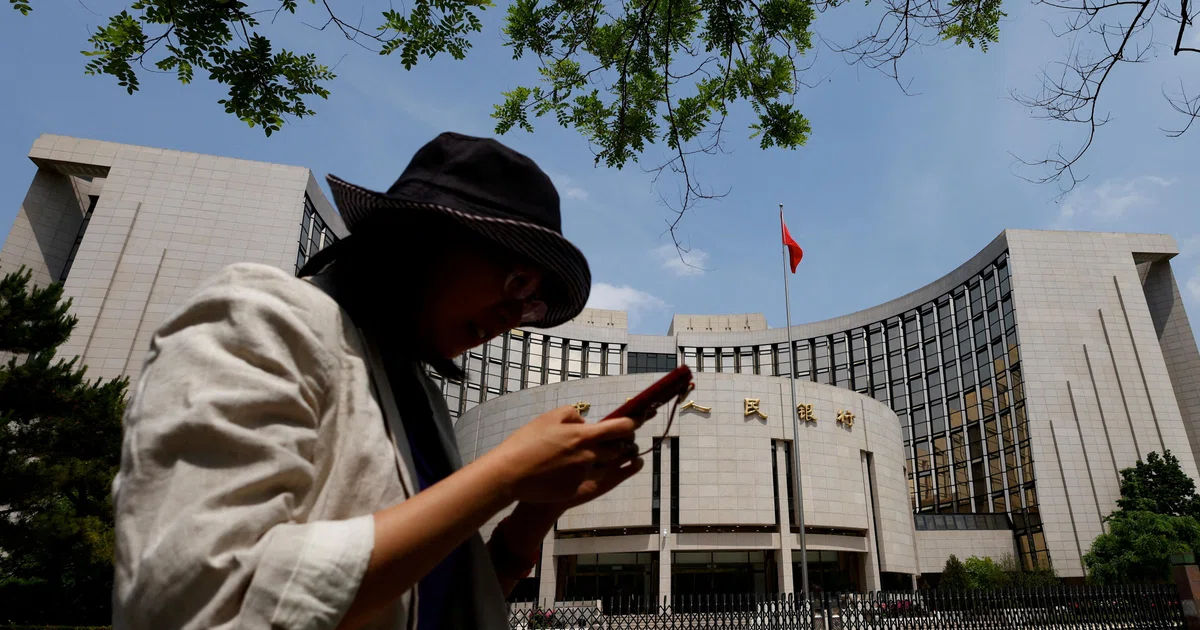
China expected to keep rates steady for sixth month as PBOC turns less dovish
The consensus comes after the central bank this month maintained its seven-day reverse repo rate, which now serves as a major policy rate
China is expected to leave benchmark lending rates unchanged for a sixth consecutive month in November, a Reuters survey showed, after the central bank signalled less urgency for additional monetary stimulus.
The loan prime rate (LPR), normally charged to banks’ top clients, is calculated each month after 20 designated commercial banks submit propose rates to the People’s Bank of China (PBOC).
All 23 respondents in a Reuters survey this week said they expected the one-year and five-year LPRs to remain steady on Thursday (Nov 20) at 3 and 3.5 per cent, respectively.
The consensus comes after the PBOC this month maintained its seven-day reverse repo rate, which now serves as a major policy rate.
They said that the central bank seems to have shifted to a less dovish stance after resurfacing “cross-cyclical” policy adjustments in its third-quarter monetary policy implementation report – its first mention since the first quarter of last year. The policy aims to smooth out the impact of economic cycles.
The wording signalled “reduced urgency for broad-based easing”, said Tommy Xie, head of Asia macro research at OCBC Bank.
“This suggests that policy focus may shift towards more targeted credit support rather than another round of across-the-board rate cuts.”
Meanwhile, the weighted-average interest rate on new corporate loans fell to 3.1 per cent in October, down about 40 basis points from a year earlier, while the weighted-average rate on new personal mortgage slid eight basis points on year to 3.1 per cent, the official Xinhua news agency reported on Friday.
“China’s social financing costs have continued to fall this year, with loan rates staying at low levels,” Xinhua said.
SEE ALSO
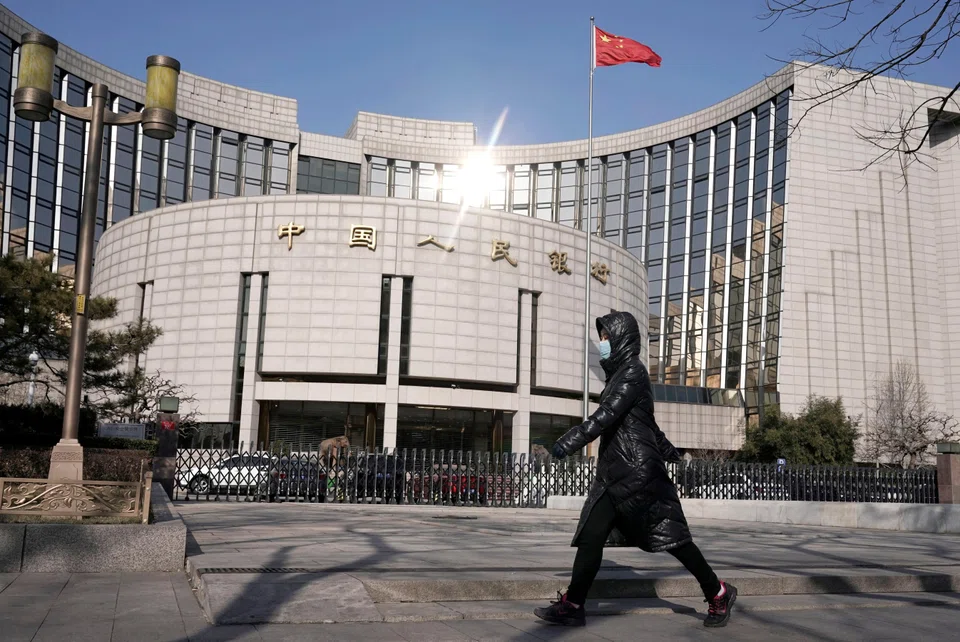
Some analysts think fiscal measures, rather than monetary ones, are more likely to take the lead in supporting the economy, following recent data that pointed to signs of a slowdown.
“I think if you look at monetary policy, in our view, there are questions about how supportive it can be of growth,” said Jeremy Zook, lead analyst for China at Fitch Ratings.
“Easing, cutting the policy rate is helpful, but there doesn’t seem to be high demand for credit in the economy at the moment ... So really, we think the policy onus is kind of on the fiscal side, where that can be more effective in supporting the economy.”
New loans by Chinese banks fell sharply in October from the previous month and missed market expectations, as households and businesses remained wary of taking on more debt due to economic uncertainties and trade tensions between Beijing and Washington. REUTERS
Decoding Asia newsletter: your guide to navigating Asia in a new global order. Sign up here to get Decoding Asia newsletter. Delivered to your inbox. Free.
Originally published by businesstimes.com.sg. Syndicated material does not necessarily reflect the views of Grazia British.
More Culture

Don’t Pull Out of Germany
Merz’s stupidity is no excuse for a stupid response. Source link

Step inside the gorgeous, futuristic offices of Vast, the startup designing the next-gen space station
A tall baobab tree greets people inside the Long Beach, California, headquarters of Vast, an aerospace company that is building the space station of the future. It’s planted beneath a…

5 ways high-performing teams stay calm when everything’s on fire
When markets swing, plans break, inboxes explode, and everyone starts saying the situation is “unprecedented” again, most teams do what humans have always done under pressure: they grip…

Confused Trump Openly Admits Plot to Rig Midterms as Polls Turn Brutal
Last week, the Supreme Court gutted protections against racial gerrymandering, and Donald Trump is already urging Republicans to seize on it. Trump unleashed a Truth Social rant on Monday…