
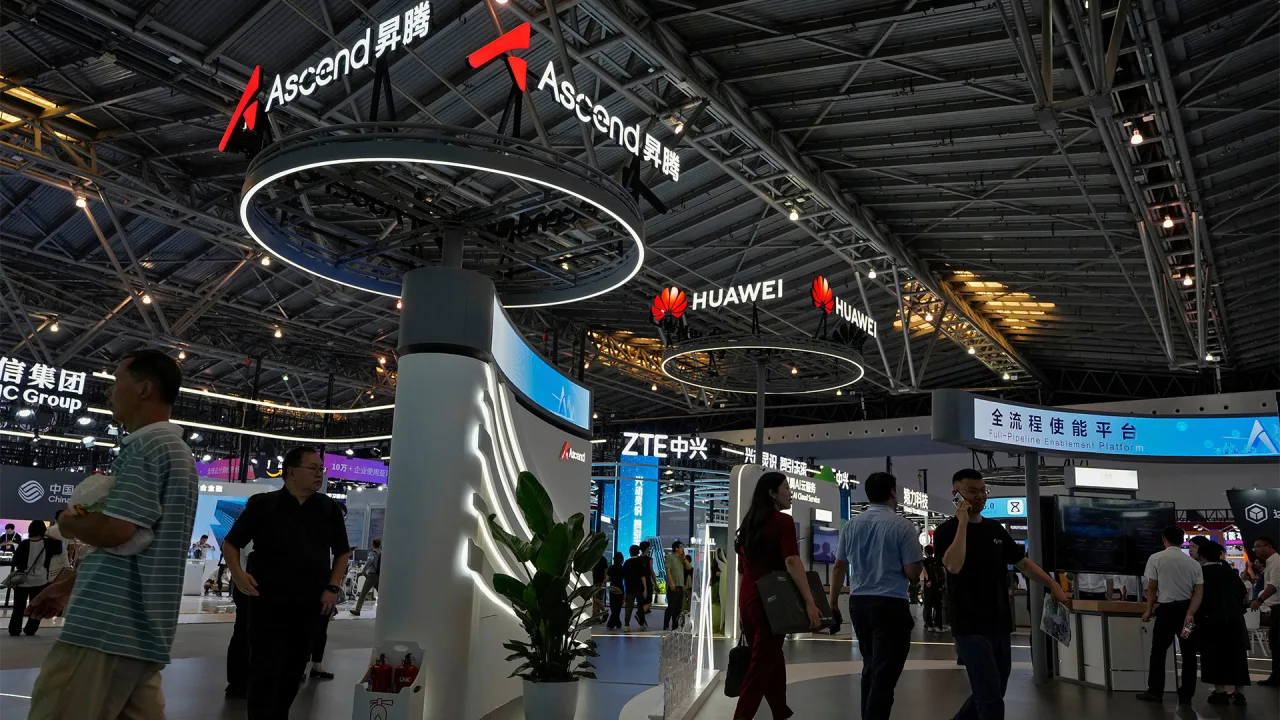
China’s Huawei Technologies must face fraud and racketeering charges, says U.S. judge
A U.S. judge has ruled that China’s Huawei Technologies, a leading telecoms equipment company, must face criminal charges in a wide reaching case alleging it stole technology and engaged in racketeering, wire and bank fraud and other crimes.
U.S. District Judge Ann Donnelly on Tuesday rejected Huawei’s request to dismiss the allegations in a 16-count federal indictment against the company, saying in a 52-page ruling that its arguments were premature.
The company did not immediately respond to a request for comment.
The U.S. accuses Huawei and some of its subsidiaries of plotting to steal U.S. trade secrets, installing surveillance equipment that enabled Iran to spy on protesters during 2009 anti-government demonstrations in Iran, and of doing business in North Korea despite U.S. sanctions there.
During President Donald Trump’s first term in office, his administration raised national security concerns and began lobbying Western allies against including Huawei in their wireless, high-speed networks.
In its January 2019 indictment, the Justice Department accused Huawei of using a Hong Kong shell company called Skycom to sell equipment to Iran in violation of U.S. sanctions and charged its chief financial officer, Meng Wanzhou, with fraud by misleading the HSBC bank about the company’s business dealings in Iran.
Meng, the daughter of Huawei’s founder, was arrested in Canada in late 2018 on a U.S. extradition request but released in September 2021 in a high-stakes prisoner swap that freed two Canadians held by China and allowed her to return home.
Chinese officials have accused the U.S. government of “economic bullying” and of improperly using national security as a pretext for “oppressing Chinese companies.” In their motion to dismiss the broad criminal case, among other arguments Huawei’s lawyers contended that the U.S. allegations were too vague and some were “impermissibly extraterritorial,” and do not involve domestic wire and bank fraud.
The biggest maker of network gear, Huawei struggled to hold onto its market share under sanctions that have blocked its access to most U.S. processor chips and other technology. The limits led it to ramp up its own development of computer chips and other advanced technologies.
The company also shifted its focus to the Chinese market and to network technology for hospitals, factories and other industrial customers and other products that would not be affected by U.S. sanctions.
—Elaine Kurtenbach, AP Business Writer
Originally published by fastcompany.com. Syndicated material does not necessarily reflect the views of Grazia British.
More Culture

Don’t Pull Out of Germany
Merz’s stupidity is no excuse for a stupid response. Source link
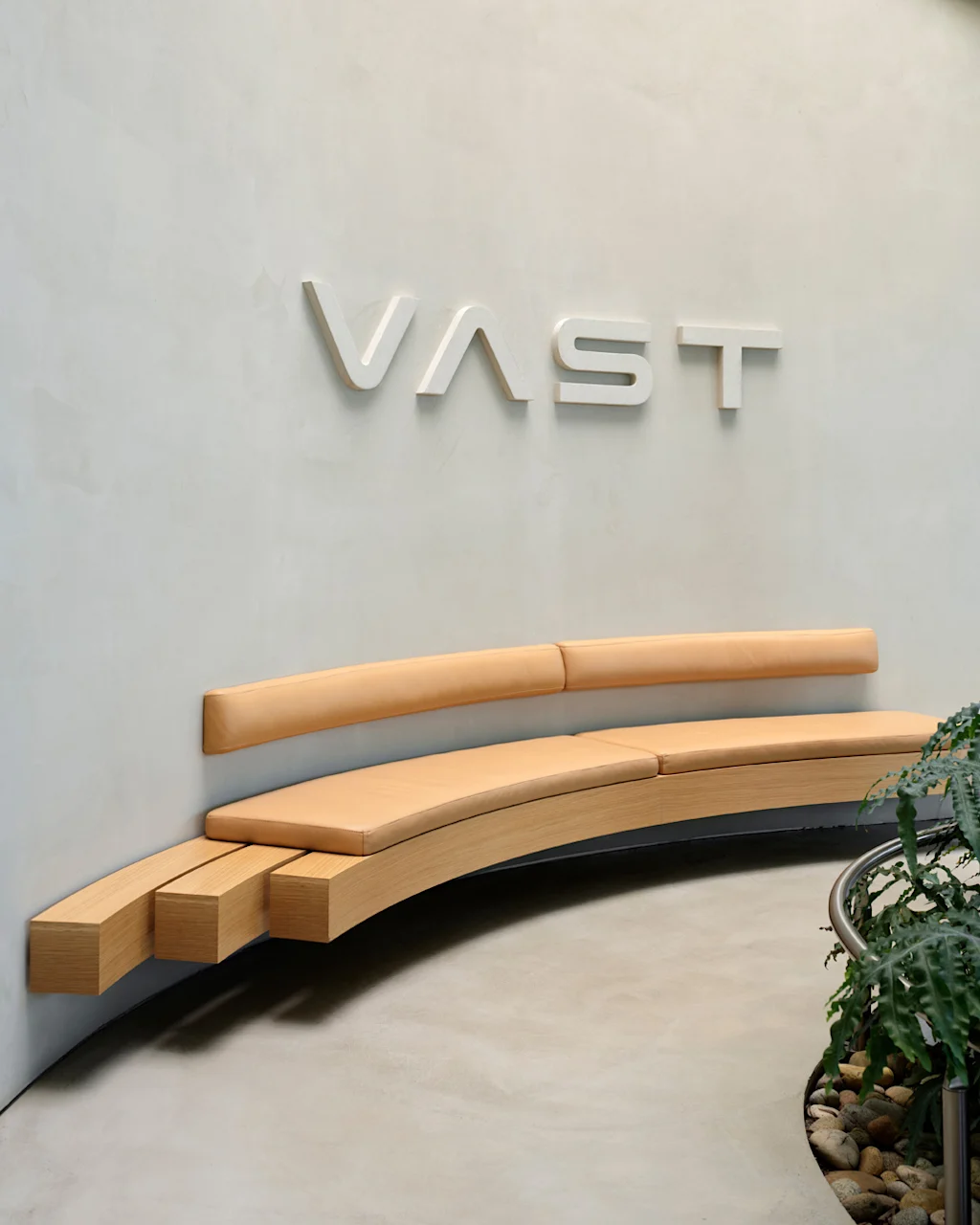
Step inside the gorgeous, futuristic offices of Vast, the startup designing the next-gen space station
A tall baobab tree greets people inside the Long Beach, California, headquarters of Vast, an aerospace company that is building the space station of the future. It’s planted beneath a…

5 ways high-performing teams stay calm when everything’s on fire
When markets swing, plans break, inboxes explode, and everyone starts saying the situation is “unprecedented” again, most teams do what humans have always done under pressure: they grip…

Confused Trump Openly Admits Plot to Rig Midterms as Polls Turn Brutal
Last week, the Supreme Court gutted protections against racial gerrymandering, and Donald Trump is already urging Republicans to seize on it. Trump unleashed a Truth Social rant on Monday…