
Chinese firms dominated global humanoid robot shipments in 2025
The industry’s global sales more than quintupled from 2024, according to Omdia’s figures
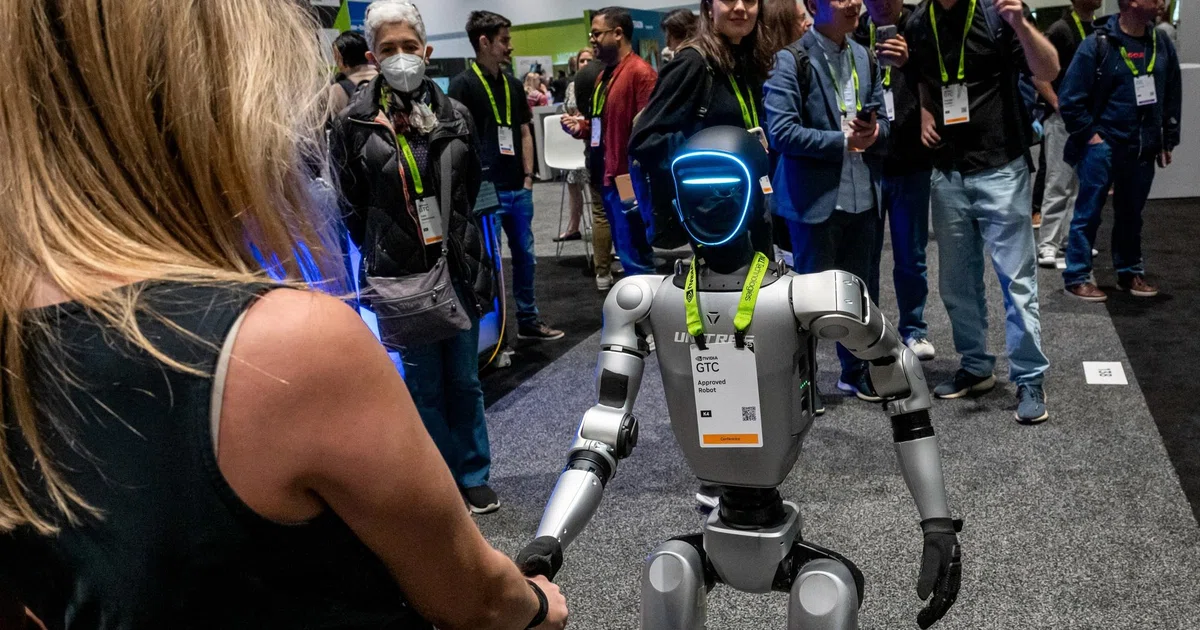
HUMANOID robot makers in China accounted for the vast majority of the roughly 13,000 units shipped globally last year, far outstripping US companies such as Tesla and Figure AI in sheer volume, according to research firm Omdia.
The Chinese startup Shanghai AgiBot Innovation Technology shipped an estimated 5,168 robots last year, topping the list of humanoid producers, followed by Unitree Robotics and UBTech Robotics. The industry’s global sales more than quintupled from 2024, according to Omdia’s figures.
These are early days in the humanoid competition, but the market is expected to soar in the decades ahead. China’s leadership now may help the country as the number of robots is projected to surge to 648 million in 2050, according to research from Citigroup.
“Chinese vendors are setting benchmarks in large-scale production,” Omdia said.
The integration of artificial intelligence (AI), which enabled robots to perform complex tasks, increased the adoption of such machines in areas from manufacturing and logistics to healthcare and customer service, according to the report, saying robot firms are heavily investing in cutting-edge AI models.
Chinese humanoid robots are cheaper than Western-made models, with Unitree offering an entry-level model for just US$6,000 and AgiBot asking about US$14,000 for a scaled-down version. By comparison, Tesla’s chief executive officer Elon Musk has previously given a price range of US$20,000 to US$30,000 for the company’s Optimus humanoid robots, which have not yet reached full-scale production.
SEE ALSO

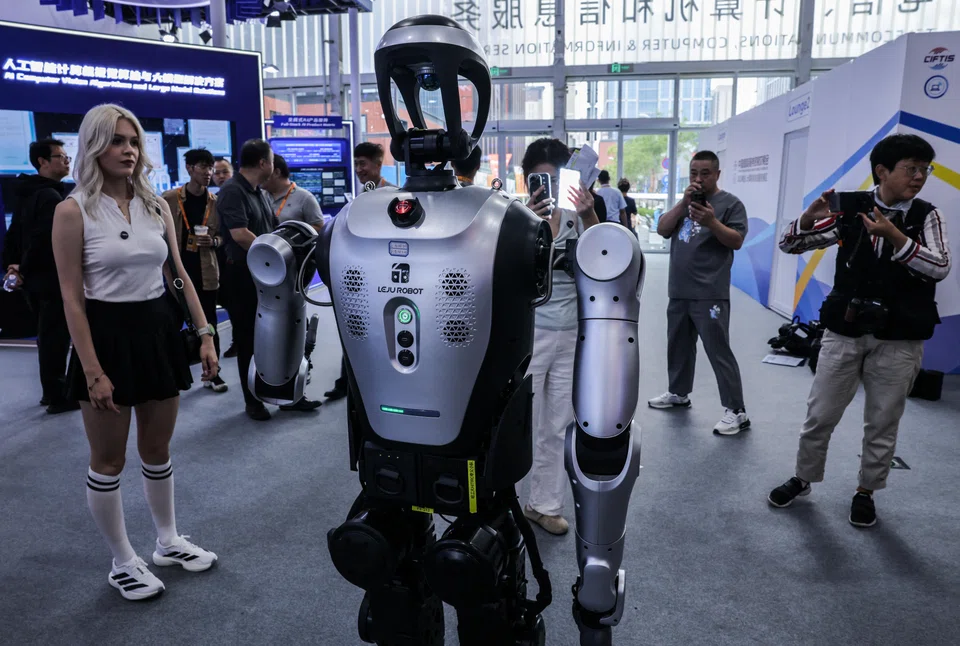
AgiBot’s global profile rose after the company was name-checked by Nvidia CEO Jensen Huang during his keynote address at this week’s CES trade show in Las Vegas.
Last year, Unitree’s dancing droids charmed a nationwide audience during the country’s Spring Festival Gala, setting off an explosion in humanoid robot development and investment. China’s favourable policies and infrastructure support, like training centres, have helped boost production, according to Omdia. The number of such firms in China has exceeded 150, even promoting warning of bubble risks from policymakers.
Omdia expects global humanoid robot shipments growing to 2.6 million units in 2035 as factors including AI models, dexterous hands and self-reinforcement learning have made the robots viable for industrial, service and eventual household roles. The research firm’s report covers two-legged humanoid robots as well as wheeled-based products with a human-like upper torso. BLOOMBERG
Decoding Asia newsletter: your guide to navigating Asia in a new global order. Sign up here to get Decoding Asia newsletter. Delivered to your inbox. Free.
Originally published by businesstimes.com.sg. Syndicated material does not necessarily reflect the views of Grazia British.
More Culture

Don’t Pull Out of Germany
Merz’s stupidity is no excuse for a stupid response. Source link

Step inside the gorgeous, futuristic offices of Vast, the startup designing the next-gen space station
A tall baobab tree greets people inside the Long Beach, California, headquarters of Vast, an aerospace company that is building the space station of the future. It’s planted beneath a…

5 ways high-performing teams stay calm when everything’s on fire
When markets swing, plans break, inboxes explode, and everyone starts saying the situation is “unprecedented” again, most teams do what humans have always done under pressure: they grip…

Confused Trump Openly Admits Plot to Rig Midterms as Polls Turn Brutal
Last week, the Supreme Court gutted protections against racial gerrymandering, and Donald Trump is already urging Republicans to seize on it. Trump unleashed a Truth Social rant on Monday…