
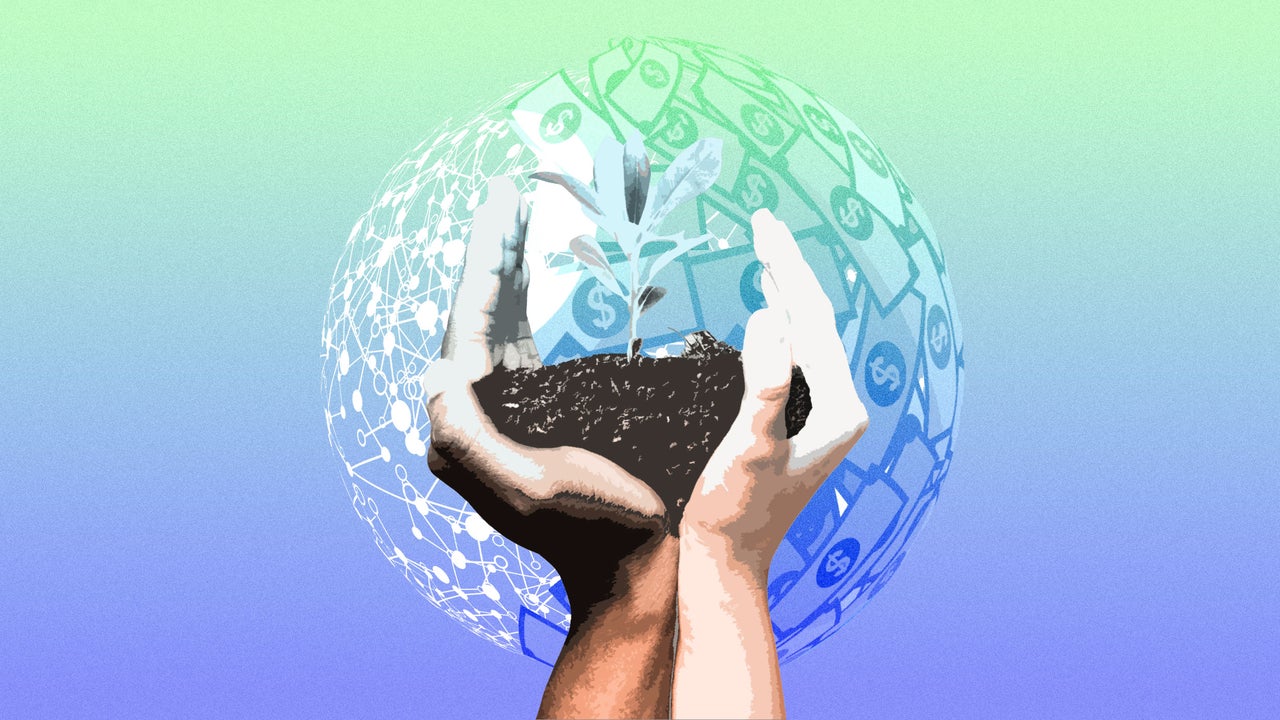
Corporate America soured on ‘business for good.’ Here’s how to reframe conscious capitalism
Hello and welcome to Modern CEO! I’m Stephanie Mehta, CEO and chief content officer of Mansueto Ventures. Each week this newsletter explores inclusive approaches to leadership drawn from conversations with executives and entrepreneurs, and from the pages of Inc. and Fast Company. If you received this newsletter from a friend, you can sign up to get it yourself every Monday morning.
In the fall of 2019, as editor of Fast Company, I commissioned a package of stories on innovators working to reinvent and bolster capitalism to make it more equitable and environmentally sustainable—the theory being that a system that works for everyone is good for business and society. The print magazine featured a close-up photograph of Patagonia founder Yvon Chouinard with the provocative headline: “Capitalism is dead. Long live capitalism.”
Six years later, those stories feel almost quaint, and Fast Company has published something of a rejoinder. Its summer cover story, “How ‘business for good’ went bad—and what comes next,” explores the fall and future of so-called stakeholder capitalism, which posits that CEOs should lead their companies to serve not just shareholders but also employees, customers, suppliers, local communities, and the environment. (The story is behind Fast Company’s paywall. Modern CEO readers who aren’t yet subscribers can access a one-day premium pass here.)
Enlightened self-interest’s ROI
In the piece, writer James Surowiecki highlights the shifting economic and political winds that have swiftly eroded diversity, environmental, and other societal initiatives. He writes: “This reversal has been so fast and so dramatic that even many of the youngest mission-driven companies now look like relics of a bygone era, while the environment that spawned them feels like little more than a dream.”
Stakeholder capitalism isn’t exactly dead, though. Proponents argue that “business for good” needs to be underpinned by benefits to the business such as cost savings or customer acquisition.
“Most corporations are adopting ethical sourcing not because of values but because of enlightened self-interest,” says Paul Rice, founder and former CEO of Fair Trade USA, and author of Every Purchase Matters: How Fair Trade Farmers, Companies, and Consumers Are Changing the World. “They see an opportunity either to de-risk their supply chains or tap into the growing conscious-consumer segment that is looking for sustainable products.”
Jonquil Hackenberg, CEO of Ellen MacArthur Foundation, similarly has argued that material security is one reason why companies should embrace the circular economy, which encourages companies and individuals to recycle, refurbish, and reuse materials.
This pragmatic approach isn’t a bad thing. Rice, who says he was disappointed with the Fast Company piece, argues that a new generation of businesses doesn’t see a trade-off between profits and purpose—they see ethical supply chains and sustainability as strategic advantages.
It is also worth noting that self-interest never goes out of style. A hyperefficient supply chain that just happens to reduce emissions is sure to withstand investor scrutiny, corporate leadership changes, and even political antagonists.
How is your business adhering to conscious capitalism?
Is your business committed to conscious capitalism, and if so, how are you positioning your approach to shareholders? Send your ideas to me at stephaniemehta@mansueto.com, and we’ll highlight examples in a future newsletter.
Read more: stakeholder capitalism
The “business case” for diversity isn’t working
Why Patagonia was Inc.’s 2022 Company of the Year
Stakeholder capitalism is entering a new era
Originally published by fastcompany.com. Syndicated material does not necessarily reflect the views of Grazia British.
More Culture

Don’t Pull Out of Germany
Merz’s stupidity is no excuse for a stupid response. Source link

Step inside the gorgeous, futuristic offices of Vast, the startup designing the next-gen space station
A tall baobab tree greets people inside the Long Beach, California, headquarters of Vast, an aerospace company that is building the space station of the future. It’s planted beneath a…

5 ways high-performing teams stay calm when everything’s on fire
When markets swing, plans break, inboxes explode, and everyone starts saying the situation is “unprecedented” again, most teams do what humans have always done under pressure: they grip…

Confused Trump Openly Admits Plot to Rig Midterms as Polls Turn Brutal
Last week, the Supreme Court gutted protections against racial gerrymandering, and Donald Trump is already urging Republicans to seize on it. Trump unleashed a Truth Social rant on Monday…