

DoorDash is now sending food in delivery robots. That’s as good and bad as you think
DoorDash has a new delivery partner: Coco the robot. Starting this week, some customers in Los Angeles and Chicago have the option to select robot delivery from hundreds of participating merchants in the DoorDash app.
The bots, which resemble small coolers on wheels, deliver goods from specific stores inside a tight radius. DoorDash piloted the tech for months ahead of this rollout, completing more than 100,000 deliveries.
DoorDash isn’t the only delivery company taking advantage of this new, mostly autonomous tech. Others, including rival service Uber Eats, have partnered with multiple robotics companies, including for deliveries in certain locations. It’s not DoorDash’s first bot deal either; the company introduced airborne drone delivery with Alphabet-owned Wing in a handful of U.S. markets.
{"blockType":"creator-network-promo","data":{"mediaUrl":"https:\/\/images.fastcompany.com\/image\/upload\/f_webp,q_auto,c_fit\/wp-cms-2\/2025\/03\/Expedite-Icon-E-white-background.jpg.jpg","headline":"Expedite","description":"Restaurant technology and the big ideas shaping the future of hospitality, by Kristen Hawley. To learn more visit expedite.news","substackDomain":"https:\/\/www.expedite.news\/","colorTheme":"green","redirectUrl":""}}
Here are the pros and cons of these automated couriers.
Pro: Zero emissions
Con: Potentially questionable judgment
Incidents like this are rare, and companies have safeguards in place to prevent them. “Every safe autonomous machine has some sort of fallback mode where it needs a human to take over,” says Jonah Bliss, founder of Curbivore, a conference focused on the future of delivery and mobility. “This is true whether you’re thinking about robotaxis or other brands of sidewalk bots.”
Pro: Precise technology
Robots can be scary accurate. Airborne drone delivery company Zipline can drop a pizza onto a backyard picnic table. That’s a remarkable—and highly convenient—feat. Sidewalk robots can be easily positioned outside a restaurant, ready to accept orders, meaning food is delivered faster, and probably fresher, than it would be after waiting on a human driver.
Con: Regulatory hurdles and disgruntled neighbors
Not everyone delights in flying drones. Residents of College Station, Texas, successfully grounded Amazon’s Prime Delivery drones, filing more than 100 complaints in opposition to Amazon’s plan to expand its drone delivery program in the area. (The Federal Aviation Administration ultimately decided that most complaints were meritless or outside its purview, but Amazon decided to end its College Station lease later this year.)
Regulatory standards vary from state to state and city to city, which could complicate a broad rollout of any type of delivery robot. But the sidewalk bots and flying drones perform best under highly specific circumstances: dense urban neighborhoods, self-contained areas like college campuses, or, in the case of robots in the air, sprawling suburbs.
Pro: No tipping
Tip creep is real. Nearly 9 out of 10 Americans think tipping culture has gotten out of control, according to recent survey data from WalletHub. Diners who opt to have robots deliver their dinner don’t have to tip. In fact, delivery apps will generally refund any tips promised during the initial order.
Delivery services don’t have the best record on tipping. Uber and DoorDash have settled with delivery couriers over the distribution of tips on the platform. Most recently, DoorDash paid close to $17 million in New York to settle claims that it unfairly used tips to subsidize worker pay from 2017 to 2019.
Con: No humans
In a January interview, Uber CEO Dara Khosrowshahi said that human drivers will be replaced by robots in about a decade. He spoke in the context of Uber’s ride-hailing business, but the company has made plenty of delivery deals, too. Uber Eats launched its own partnership with Coco last year in Los Angeles; earlier this month it expanded to Miami. In Phoenix, Uber uses autonomous Waymo vehicles—the same ones it uses to drive passengers—to ferry some Eats orders to diners. But the robots can’t ring the doorbell; diners still need to go to the curb to collect their food.
{"blockType":"creator-network-promo","data":{"mediaUrl":"https:\/\/images.fastcompany.com\/image\/upload\/f_webp,q_auto,c_fit\/wp-cms-2\/2025\/03\/Expedite-Icon-E-white-background.jpg.jpg","headline":"Expedite","description":"Restaurant technology and the big ideas shaping the future of hospitality, by Kristen Hawley. To learn more visit expedite.news","substackDomain":"https:\/\/www.expedite.news\/","colorTheme":"green","redirectUrl":""}}
Originally published by fastcompany.com. Syndicated material does not necessarily reflect the views of Grazia British.
More Culture

Don’t Pull Out of Germany
Merz’s stupidity is no excuse for a stupid response. Source link
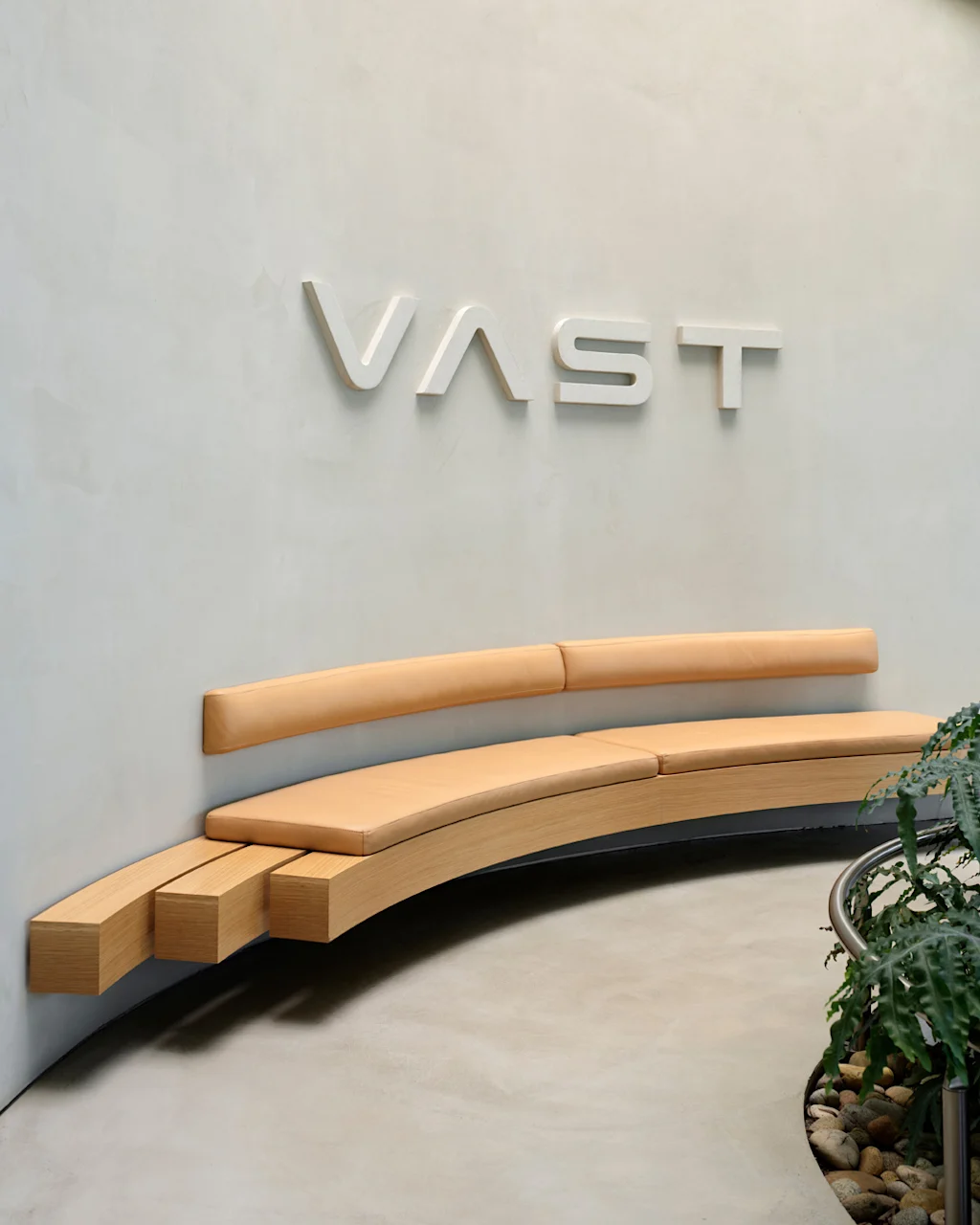
Step inside the gorgeous, futuristic offices of Vast, the startup designing the next-gen space station
A tall baobab tree greets people inside the Long Beach, California, headquarters of Vast, an aerospace company that is building the space station of the future. It’s planted beneath a…

5 ways high-performing teams stay calm when everything’s on fire
When markets swing, plans break, inboxes explode, and everyone starts saying the situation is “unprecedented” again, most teams do what humans have always done under pressure: they grip…

Confused Trump Openly Admits Plot to Rig Midterms as Polls Turn Brutal
Last week, the Supreme Court gutted protections against racial gerrymandering, and Donald Trump is already urging Republicans to seize on it. Trump unleashed a Truth Social rant on Monday…