
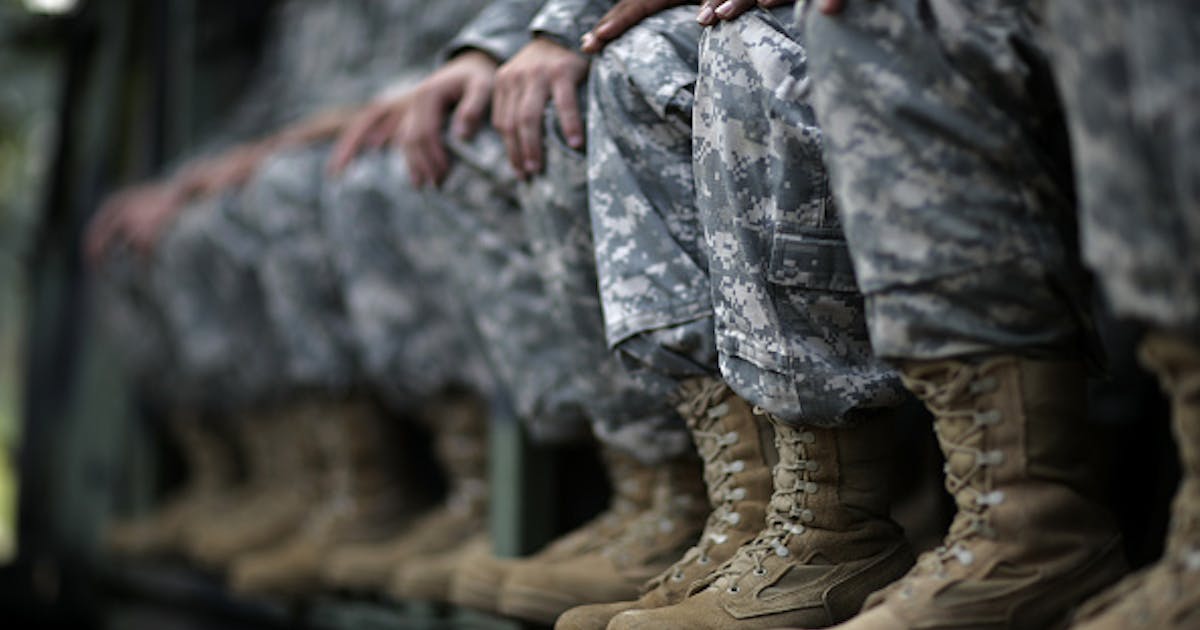
Drug-Fueled Chaos Is Running Rampant at Fort Bragg
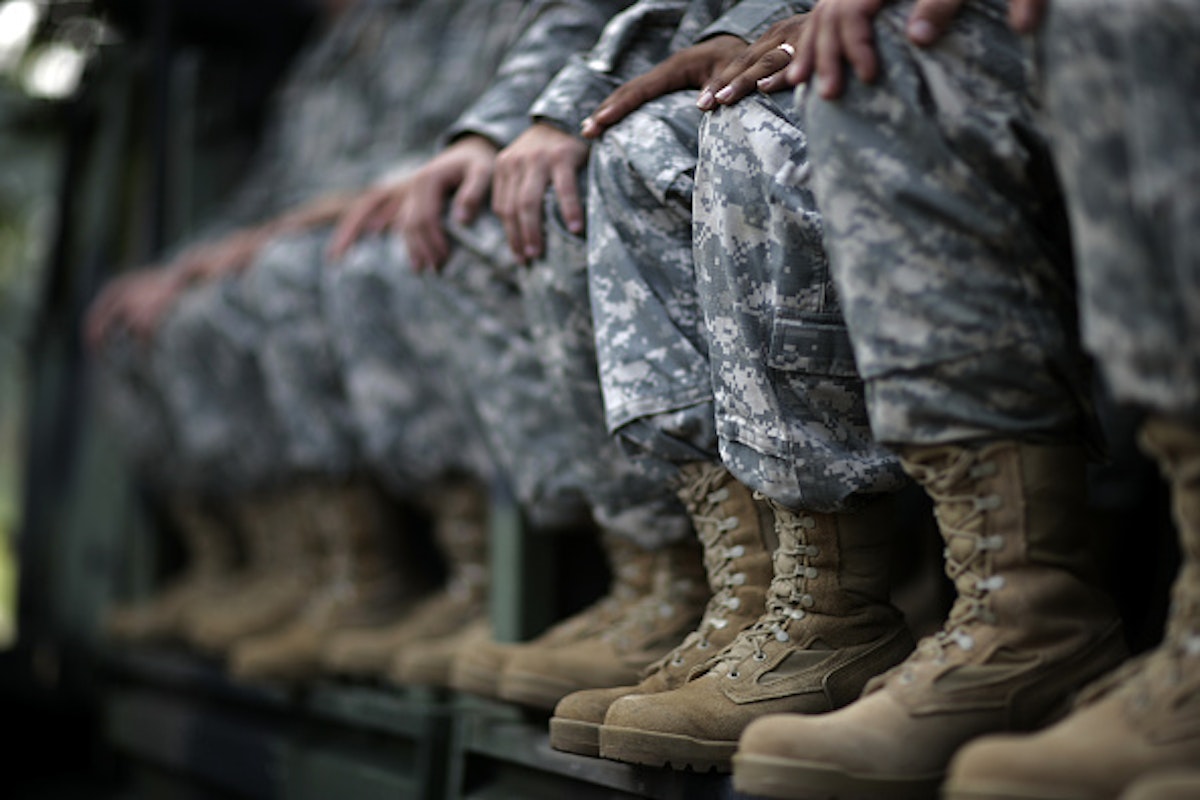
Harp claims that, rather than reining in the impulses of his special operators,McChrystal suppressed reporting of civilian body countsand “made a show of lecturing soldiers in the conventional Army—third-tier infantrymen—about the need for tightened rules of engagement.” Special operators, meanwhile, were spared the dressing down. Facing few restraints and little accountability, operators became the rare class of front-line troop able to partake in the spoils of war. “The Army would give my husband and his team hundreds of thousands of dollars to pay to get information,” Lauren Grey, an Army wife at Bragg for more than a decade, tells Harp. “But instead of really giving the money to informants, they brought it home taped to their bodies.”
Special operators copped sick trucks, chrome rims, and nice cribs. Some bought fast-food franchises. Others parlayed their earnings—along with their skillset, and, perhaps, some Afghan poppy—to become drug lords, carjackers, or gunrunners.
Money, and the men who made it, poured into Bragg, and spilled out into surrounding communities. Special operators copped sick trucks, chrome rims, and nice cribs. Some bought fast-food franchises. Others parlayed their earnings—along with their skillset, and, perhaps, some Afghan poppy—to become drug lords, carjackers, or gunrunners. In her interview, Grey describes Bragg as “the wild, wild West,” its proverbial cowboys being men like her husband, a legendary operator who was mentally transformed and physically hobbled over eight grueling deployments. He became a “conscienceless killer,” Grey explains before offering a fascinating and highly unusual addendum about how the war changed him. “Greed,” she explains, “was his number one thing.”
As Afghanistan’s heroin industry resurged, an increasing number of American troops were whetting their whistles. In 2012, the DoD’s office of the Under Secretary of Defense for Personnel and Readiness reported a troubling uptick in opioid use within the ranks. “The percent of positive specimens containing morphine increased six-fold between 2007 and 2011, indicative of possible heroin,” the report found. The rate of positive tests remained a minor figure, though it was likely an undercount: Testing for heroin use was not then widespread, and Harp maintains that operators strung out on black tar heroin and other narcotics were often given advance notice of an upcoming test.
Originally published by newrepublic.com. Syndicated material does not necessarily reflect the views of Grazia British.
More Culture

Don’t Pull Out of Germany
Merz’s stupidity is no excuse for a stupid response. Source link

Step inside the gorgeous, futuristic offices of Vast, the startup designing the next-gen space station
A tall baobab tree greets people inside the Long Beach, California, headquarters of Vast, an aerospace company that is building the space station of the future. It’s planted beneath a…
5 ways high-performing teams stay calm when everything’s on fire
When markets swing, plans break, inboxes explode, and everyone starts saying the situation is “unprecedented” again, most teams do what humans have always done under pressure: they grip…

Confused Trump Openly Admits Plot to Rig Midterms as Polls Turn Brutal
Last week, the Supreme Court gutted protections against racial gerrymandering, and Donald Trump is already urging Republicans to seize on it. Trump unleashed a Truth Social rant on Monday…