
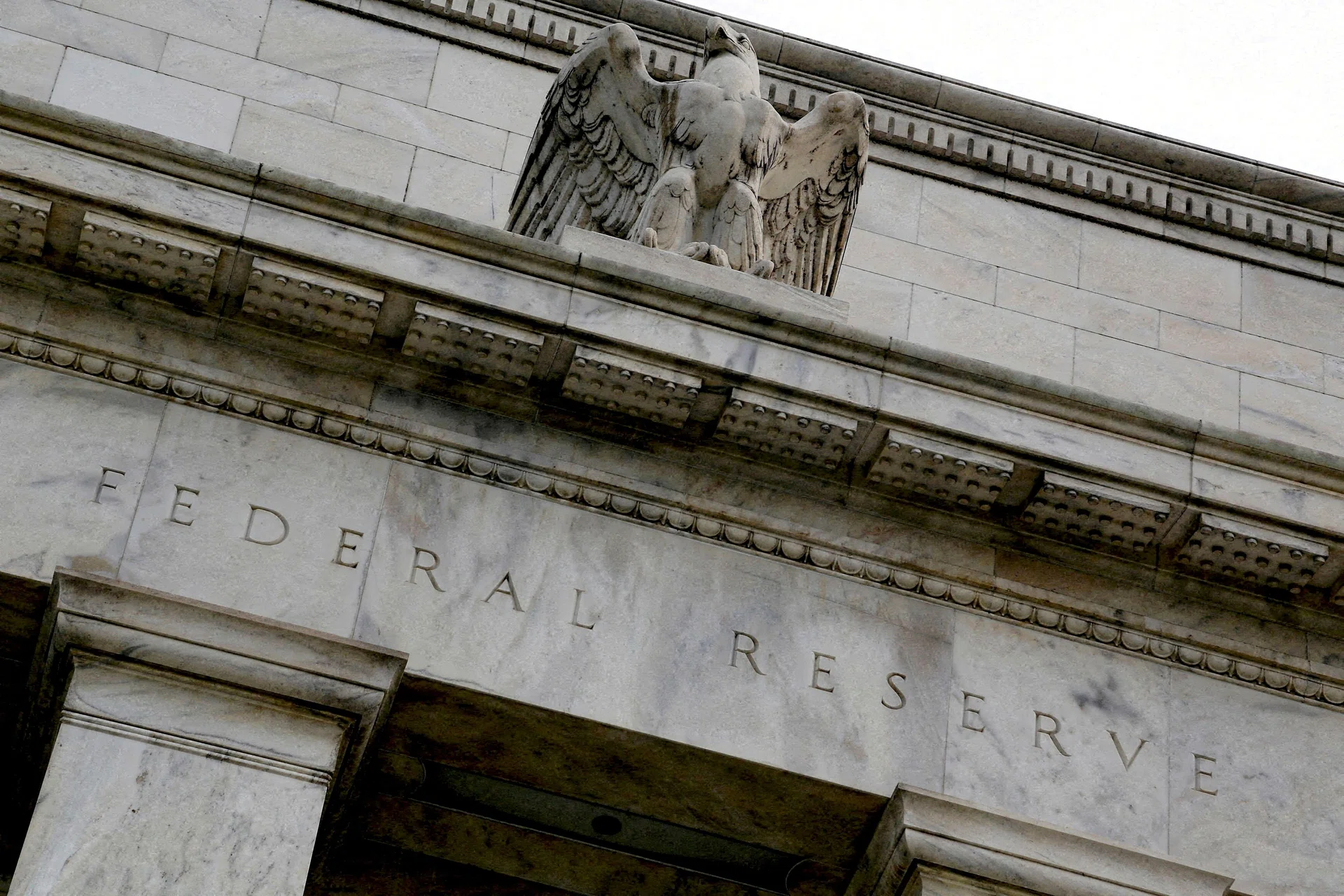
Fed officials expect tariffs to boost prices; White House downplays risk
Federal Reserve officials said on Tuesday (May 20) that higher prices are coming on the back of rising US import tariffs and counselled patience before making any interest rate decisions before it is clear whether the inflation shock will be fleeting or more persistent.
“One thing that we have heard is that a lot of the tariff impact to date has actually not shown up in the numbers yet. There’s been a lot of front-running, building inventories and all those sorts of things. And we are hearing from an increasing number of businesses that those strategies ... are starting to run their course,” Atlanta Fed president Raphael Bostic said on the sidelines of a conference in Florida.
“If these pre-tariff strategies have run their course, we are about to see some changes in prices, and then we are going to learn how consumers are going to respond to that,” said Bostic, who now expects the US central bank will have to wait longer for clarity about the economy’s direction and make any changes to interest rates.
“We should wait and see where the economy is going before we do anything definitive,” said Bostic, who anticipates only a single quarter-percentage-point cut in the Fed’s policy rate this year and several months on the sidelines waiting for the effect of Trump administration policies to become clear.
“I think the best action we can take is to sit on our hands and really carefully go through the data, engage with our communities, hear what they are thinking about, hear about the choices that they are making, and see how that all comes together,” Cleveland Fed president Beth Hammack said at an Atlanta Fed event. Her comments were echoed by San Francisco Fed president Mary Daly in a joint appearance.
So far the main impact appears to be in sentiment surveys showing households and businesses are less confident about the economic horizon and expect higher inflation.
BT in your inbox

Start and end each day with the latest news stories and analyses delivered straight to your inbox.
In an interview on Bloomberg Television on Tuesday, Stephen Miran, who chairs the White House’s Council of Economic Advisers, pushed back on the idea that the tariffs imposed by the administration so far and potentially added in coming weeks would result in meaningful inflation.
“We have been introducing tariffs since day one of this administration,” Miran said, yet there has “been no real meaningful effect on inflation”, with recent consumer price index reports coming in weaker than expected.
But Fed officials and analysts say they expect the impact has just not filtered through yet to the economy.
Walmart, the world’s largest retailer and a major importer of goods from China, said last week that price increases were on the way, comments that drew a rebuff from US President Donald Trump.
“We can control what we can control,” Walmart CEO Doug McMillon said during the company’s quarterly earnings call. Even trimming the tariffs on Chinese goods to 30 per cent, as the administration recently did in backing off a more exorbitant 145 per cent levy, “will result in higher prices”, he said.
Inflation expectations
The waiting game for Fed officials may prove a long one. The central bank has kept its policy rate in the current 4.25 to 4.5 per cent range since December, but says it will remain difficult to anticipate where the economy is heading until the tariff issue and other policies are settled for good – and enough time lapses after that to gauge the impact.
In comments to the Economic Club of Minnesota on Tuesday, St Louis Fed president Alberto Musalem said the central bank needed to guard first and foremost against a rise in inflation expectations, and key to that effort will be assessing if coming price hikes seem like one-time increases or risk turning into something more persistent.
The tariff plans may have been scaled back, but still “seem likely to have a significant impact on the near-term economic outlook”, Musalem said, with “direct one-off effects on the prices of imported final goods, indirect effects on the prices of domestically produced goods and services, and possibly second-round effects on inflation”.
Deciding in advance that the effects will fade on their own, “runs the risk of underestimating the level and persistence”, and creating more inflation trouble in the future, he said. REUTERS
Originally published by businesstimes.com.sg. Syndicated material does not necessarily reflect the views of Grazia British.
More Culture

Don’t Pull Out of Germany
Merz’s stupidity is no excuse for a stupid response. Source link

Step inside the gorgeous, futuristic offices of Vast, the startup designing the next-gen space station
A tall baobab tree greets people inside the Long Beach, California, headquarters of Vast, an aerospace company that is building the space station of the future. It’s planted beneath a…

5 ways high-performing teams stay calm when everything’s on fire
When markets swing, plans break, inboxes explode, and everyone starts saying the situation is “unprecedented” again, most teams do what humans have always done under pressure: they grip…

Confused Trump Openly Admits Plot to Rig Midterms as Polls Turn Brutal
Last week, the Supreme Court gutted protections against racial gerrymandering, and Donald Trump is already urging Republicans to seize on it. Trump unleashed a Truth Social rant on Monday…