

Former EU chief Juncker criticizes Germany's border controls
Former European Commission president Jean-Claude Juncker has voiced opposition to Germany's imminent increase in border controls, warning of the inconvenience posed to commuters and the potential threat to European integration.
On Monday, German Interior Minister Nancy Faeser ordered the introduction of temporary controls at all German land borders to curb the number of unauthorized entries, in an effort to clamp down on migration.
The checks - which expand an existing scheme to all German entry points - are to begin on Monday and will initially last for six months.
Speaking to dpa in his native Luxembourg, Juncker said he was not a fan of border controls because they inconvenience commuters.
Germany is a member of the Schengen area, which allows some 420 million people in 29 European countries to travel freely without facing border controls. But checks are already in place at some of Germany's nine borders, including with Austria and Poland, and will on Monday be extended to Luxembourg, Belgium, the Netherlands and Denmark.
Juncker said that mobile checks carried out away from the borders would be less disruptive, especially for the more than 50,000 German commuters who cross into Luxembourg daily.
While Juncker acknowledged the necessity of temporary border controls during major events such as Germany's Euro 2024 football competition, he questioned the need for prolonged controls in response to migration and illegal entries.
He expressed concern that these actions could undermine the Schengen area's core principle of open borders.
Juncker was president of the European Union's executive arm from 2014 to 2019.
Originally published by yahoo.com. Syndicated material does not necessarily reflect the views of Grazia British.
More Culture

Don’t Pull Out of Germany
Merz’s stupidity is no excuse for a stupid response. Source link
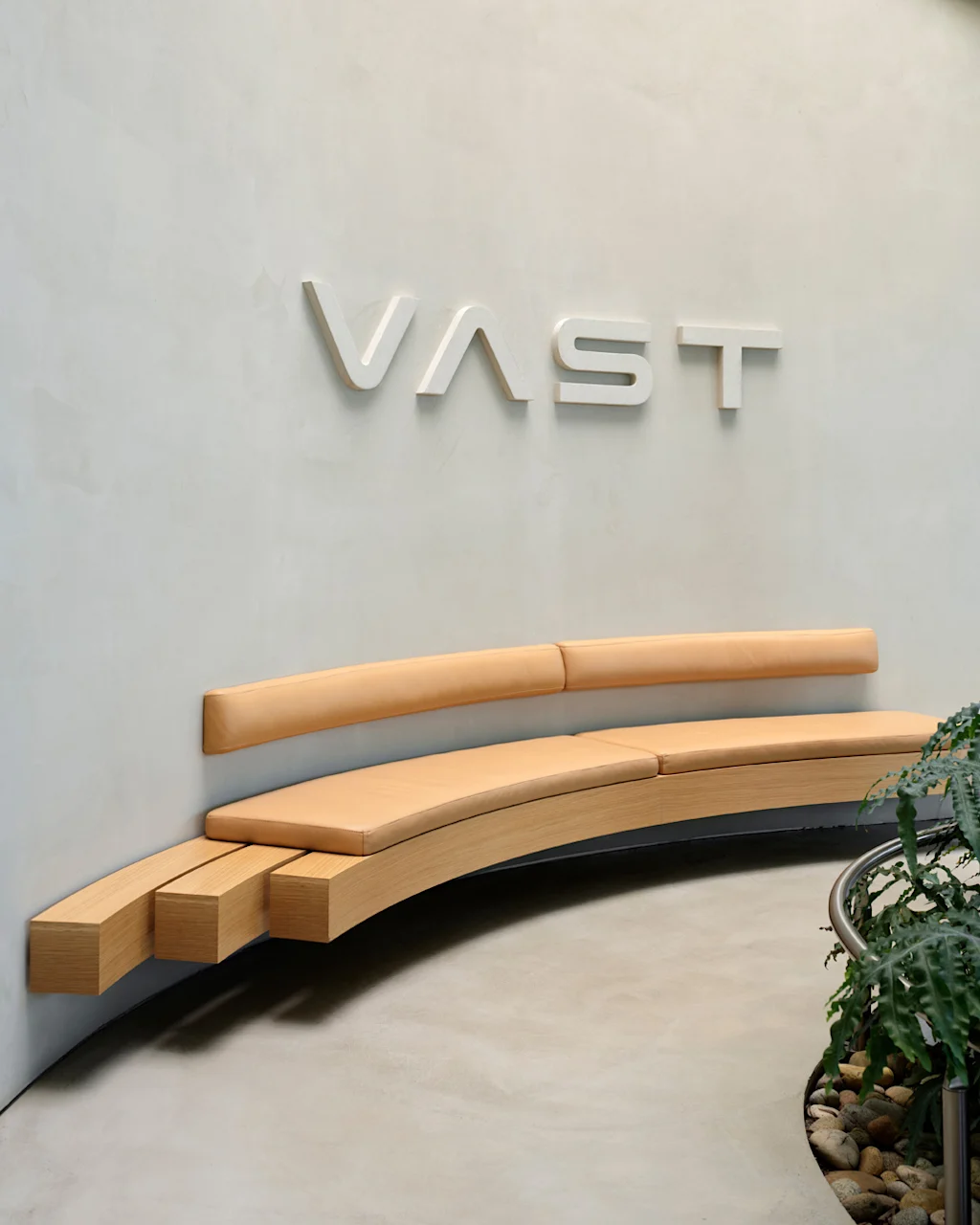
Step inside the gorgeous, futuristic offices of Vast, the startup designing the next-gen space station
A tall baobab tree greets people inside the Long Beach, California, headquarters of Vast, an aerospace company that is building the space station of the future. It’s planted beneath a…

5 ways high-performing teams stay calm when everything’s on fire
When markets swing, plans break, inboxes explode, and everyone starts saying the situation is “unprecedented” again, most teams do what humans have always done under pressure: they grip…

Confused Trump Openly Admits Plot to Rig Midterms as Polls Turn Brutal
Last week, the Supreme Court gutted protections against racial gerrymandering, and Donald Trump is already urging Republicans to seize on it. Trump unleashed a Truth Social rant on Monday…