

Germany's newest panda twins thrive during first 5 days in Berlin Zoo
BERLIN (AP) — Germany's newest panda twin s are thriving at the Berlin Zoo. The cubs spent their first five days of life taking turns cuddling and drinking milk from their mother every hour.
Born Thursday to mother Meng Meng, 11, the zoo said Tuesday that it's cautiously optimistic during this critical period — panda cub mortality is at its highest within the first two weeks of birth and through the first month because they don't yet have a functioning immune system.
Without human help, one of the cubs likely would not have survived because giant pandas usually only raise one cub when they give birth to twins. So the zoo has stepped in with a team that includes experts from China's Chengdu Research Base of Giant Panda Breeding, who are on a visit to Berlin.
When one of the twins is with their mother, the other is spending time in an incubator donated by a Berlin hospital.
“Without protective measures, the giant panda would most likely already be extinct,” zoo director Andreas Knieriem said in Tuesday’s news release, adding "every cub that grows up healthy counts.”
China gifted friendly nations with its unofficial mascot for decades as part of a “panda diplomacy″ policy. The country now loans pandas to zoos on commercial terms. There are about 1,800 pandas living in the wild in China and a few hundred in captivity worldwide.
Currently deaf, blind and pink — their black-and-white panda markings will develop later — the firstborn twin now weighs 180 grams, while the second is roughly 145 grams (6.35 and 5.11 ounces). Both have regained their birth weights and added more grams, which the zoo considers a promising sign. The cubs' sex has not yet been determined “with certainty.”
Meng Meng was artificially inseminated on March 26. Female pandas are fertile only for a few days per year at the most. The twins' father, 14-year-old Jiao Qing, is not involved in rearing the cubs.
Meng Meng and Jiao Qing arrived in Berlin in 2017. In August 2019, Meng Meng gave birth to male twins Pit and Paule, also known by the Chinese names Meng Xiang and Meng Yuan, the first giant pandas born in Germany.
Those twins flew to China in December on a journey that was delayed by the COVID-19 pandemic but had been contractually agreed to from the beginning.
Originally published by yahoo.com. Syndicated material does not necessarily reflect the views of Grazia British.
More Culture

Don’t Pull Out of Germany
Merz’s stupidity is no excuse for a stupid response. Source link
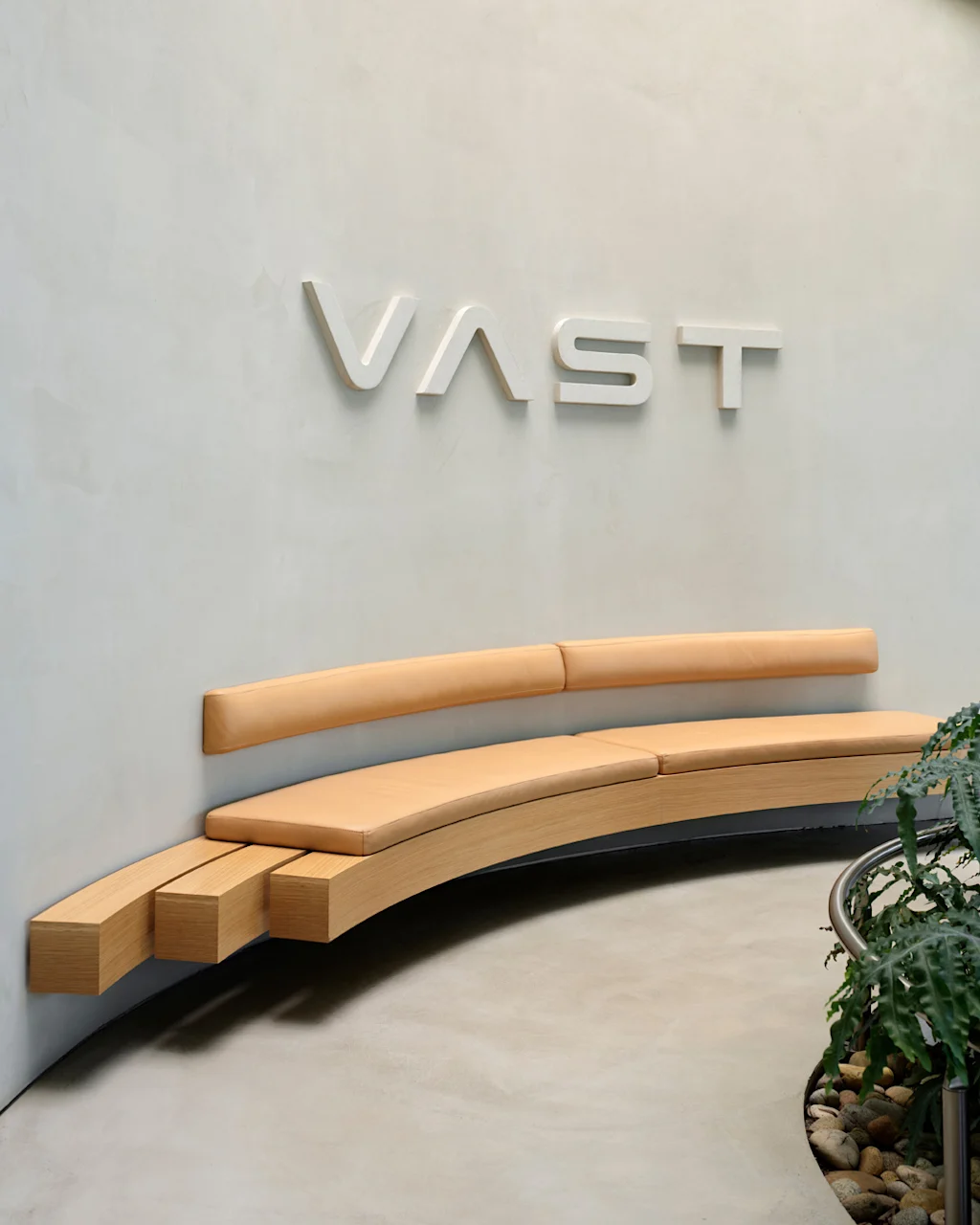
Step inside the gorgeous, futuristic offices of Vast, the startup designing the next-gen space station
A tall baobab tree greets people inside the Long Beach, California, headquarters of Vast, an aerospace company that is building the space station of the future. It’s planted beneath a…
5 ways high-performing teams stay calm when everything’s on fire
When markets swing, plans break, inboxes explode, and everyone starts saying the situation is “unprecedented” again, most teams do what humans have always done under pressure: they grip…

Confused Trump Openly Admits Plot to Rig Midterms as Polls Turn Brutal
Last week, the Supreme Court gutted protections against racial gerrymandering, and Donald Trump is already urging Republicans to seize on it. Trump unleashed a Truth Social rant on Monday…