

Ghana's Supreme Court dismisses challenges to anti-LGBT bill
Ghana's Supreme Court has unanimously decided to dismiss two legal challenges to new anti-LGBT legislation that has been criticised by rights groups.
Earlier this year, lawmakers passed a bill imposing three years in prison for people identifying as LGBT and five years for forming or funding LGBT groups.
Fear and uncertainty has gripped Ghana's LGBT community, already facing limited rights. The bill, considered one of Africa's most draconian anti-LGBT laws, has been condemned by the UN.
Amanda Odoi and Richard Dela-Sky filed separate challenges to the bill to declare it illegal and prevent President Nana Akufo-Addo from signing it into law.
President Akufo-Addo delayed signing it following the challenges to the bill. He said he would wait for the Supreme Court's decision.
But after several months of consideration, the judges said the case couldn't be reviewed until the president had signed it into law.
"Until there's presidential assent, there is no act," said Justice Avril Lovelace-Johnson as quoted by Reuters news agency.
The two cases were "unanimously dismissed", Justice Lovelace-Johnson added.
Ms Odoi and Mr Sky's lawyers told Reuters they weren't happy with the ruling and would explore their options after reviewing the full judgment.
The proposed new legislation - The Proper Human Sexual Rights and Ghanaian Family Values bill - was backed by both of Ghana's main political parties.
But Mr Sky said there were not enough MPs in the chamber when the vote took place.

With his two-term presidency ending on 7 January, President Akufo-Addo has not yet revealed what he will do.
Opposition leader John Mahama, who won this month's presidential election, has expressed support for the bill.
If it becomes law, it is likely to face further challenges in court.
Gay sex is already punishable by up to three years in prison in the conservative West African country.
But this new legislation has already had implications for the LGBT community, said Abena Takyiwaa Manuh, senior fellow of Accra-based Centre for Democratic Governance.
"Even without the passage of the bill, people have been attacking members of a certain community," he was quoted as saying by Reuters.
"This kind of formalism actually put at risk the life and health of certain members of the community, and of course some of us who are human rights defenders."
The bill was first introduced to parliament in 2021 but faced many delays.
When it was passed, the controversial bill sparked criticism from the finance ministry, which warned that Ghana could lose about $3.8bn (£3bn) in World Bank funding over the next five to six years if it was passed.
You may also be interested in:

Go to BBCAfrica.com for more news from the African continent.
Follow us on Twitter @BBCAfrica, on Facebook at BBC Africa or on Instagram at bbcafrica
BBC Africa podcasts
Originally published by yahoo.com. Syndicated material does not necessarily reflect the views of Grazia British.
More Culture

Don’t Pull Out of Germany
Merz’s stupidity is no excuse for a stupid response. Source link
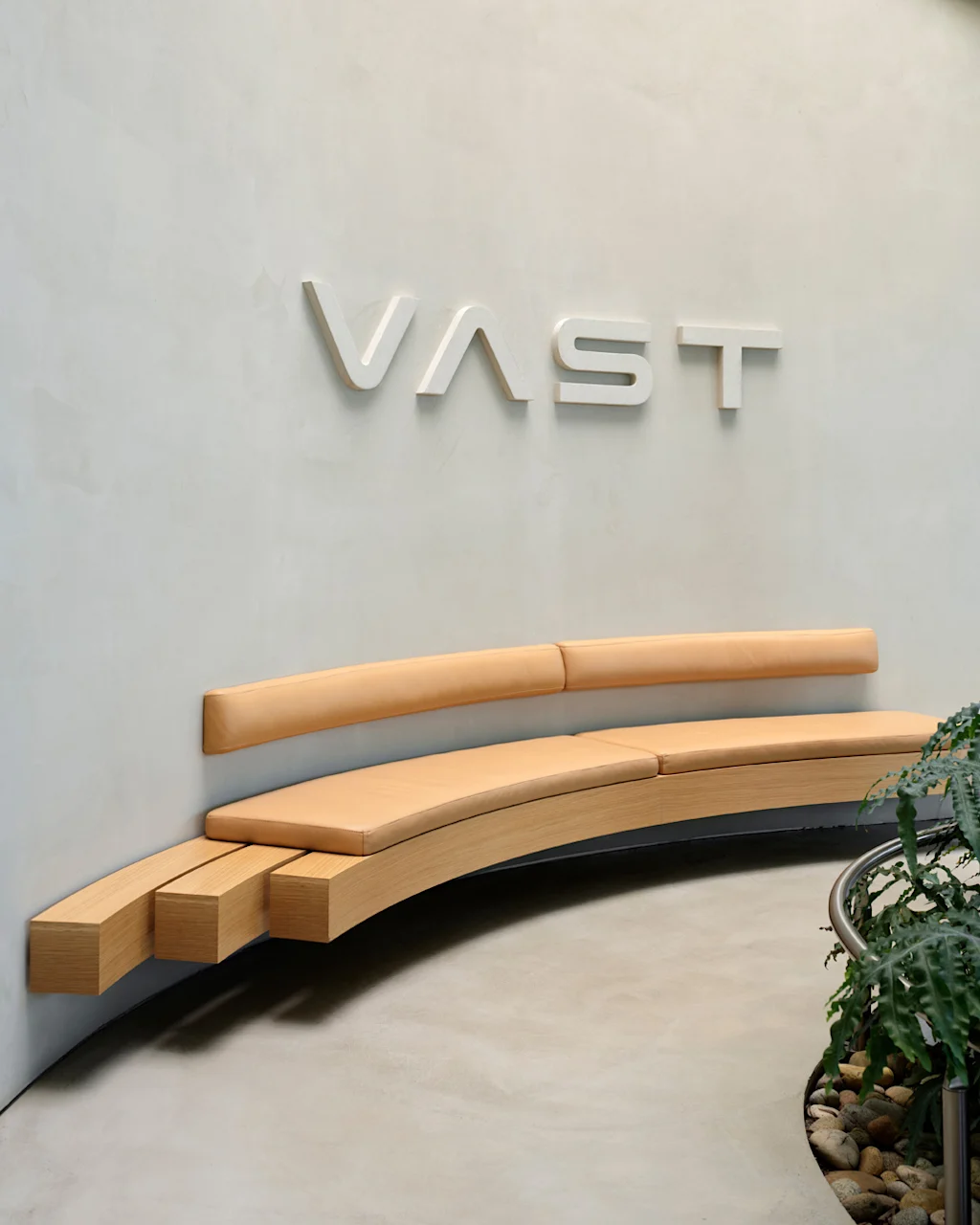
Step inside the gorgeous, futuristic offices of Vast, the startup designing the next-gen space station
A tall baobab tree greets people inside the Long Beach, California, headquarters of Vast, an aerospace company that is building the space station of the future. It’s planted beneath a…

5 ways high-performing teams stay calm when everything’s on fire
When markets swing, plans break, inboxes explode, and everyone starts saying the situation is “unprecedented” again, most teams do what humans have always done under pressure: they grip…

Confused Trump Openly Admits Plot to Rig Midterms as Polls Turn Brutal
Last week, the Supreme Court gutted protections against racial gerrymandering, and Donald Trump is already urging Republicans to seize on it. Trump unleashed a Truth Social rant on Monday…