

How Police Harassed and Infiltrated Civil Rights Groups
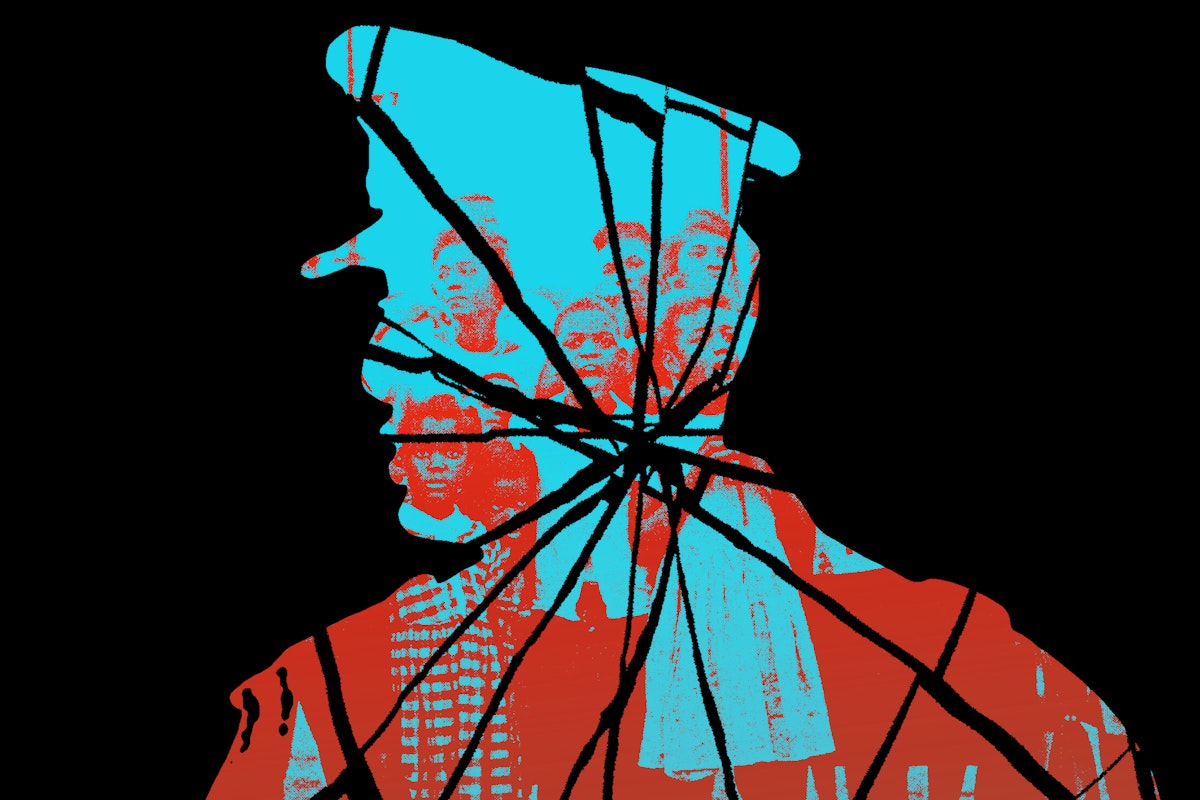
It may be a pedantic distinction, but Davis tends to exclusively reach for the term “police violence” even when he is talking about, say, retaliatory prosecutions or judicial bias. U.S. courts and district attorneys’ offices are also weighted in favor of the status quo, but not in exactly the same way the police are; Davis draws from examples of both to bolster his thesis without pausing to tease out the distinctions. In seeking to cover civil rights battles and police repression throughout the South, North, and West over a period of nearly 20 years, he can spread himself thin, which may be one reason for some of these slippages. But his choice to give a broader overview is useful in another respect: It offers readers a clear blueprint for decoding the narratives and tactics that have, over the past five years, sprung up in response to the biggest mass uprising this country has ever seen.
If the “outside agitators” charge levied by Bull Connor all those years ago sounds familiar, it’s because it’s exactly the sort of language bandied about by politicians during the 2020 protests following the murder of George Floyd, and again, more recently, during the Cop City fight in Atlanta. Really, there is no more fitting contemporary example of “slow violence” than the RICO case the state of Georgia brought against 61 individuals who protested the construction of a massive police training facility. This September, a judge finally tossed the racketeering charges, but the damage was already done: The case’s glacially slow dissolution over two and a half years following the initial mass arrests and detentions in March 2023 has cost its defendants work, disrupted their education, and provoked endless anguish and uncertainty.
Without ever quite saying it explicitly, Police Against the Movement makes the stakes plain. The backlash against Black Lives Matter following 2020 should be understood not as the inevitable pendulum swing of public opinion but as a fierce and coordinated campaign waged by cops across the United States desperate to claw back power after modest losses: minor funding reallocations, a few officers held to account for killing civilians, the election of a handful of reform prosecutors. (Police departments were, of course, aided by their allies in real estate and big business, a bump in crime rates during the pandemic, and, notably, a credulous press that swallowed and regurgitated their narratives.) Why didn’t the millions of Americans who marched in 2020, who got kettled and arrested and beaten up by the cops, get anything they asked for on qualified immunity, on reevaluating municipal budgets, on alternatives to law enforcement? Why didn’t the civil rights movement achieve more of its demands on policing? Why, in other words, is it so hard to change anything about the police? Davis makes it blindingly clear: because they fight like hell to prevent it from happening—and the law is mostly on their side.
Originally published by newrepublic.com. Syndicated material does not necessarily reflect the views of Grazia British.
More Culture

Don’t Pull Out of Germany
Merz’s stupidity is no excuse for a stupid response. Source link

Step inside the gorgeous, futuristic offices of Vast, the startup designing the next-gen space station
A tall baobab tree greets people inside the Long Beach, California, headquarters of Vast, an aerospace company that is building the space station of the future. It’s planted beneath a…

5 ways high-performing teams stay calm when everything’s on fire
When markets swing, plans break, inboxes explode, and everyone starts saying the situation is “unprecedented” again, most teams do what humans have always done under pressure: they grip…

Confused Trump Openly Admits Plot to Rig Midterms as Polls Turn Brutal
Last week, the Supreme Court gutted protections against racial gerrymandering, and Donald Trump is already urging Republicans to seize on it. Trump unleashed a Truth Social rant on Monday…