
Hybristophilia: Study links TikTok to women’s sexual attraction to criminals
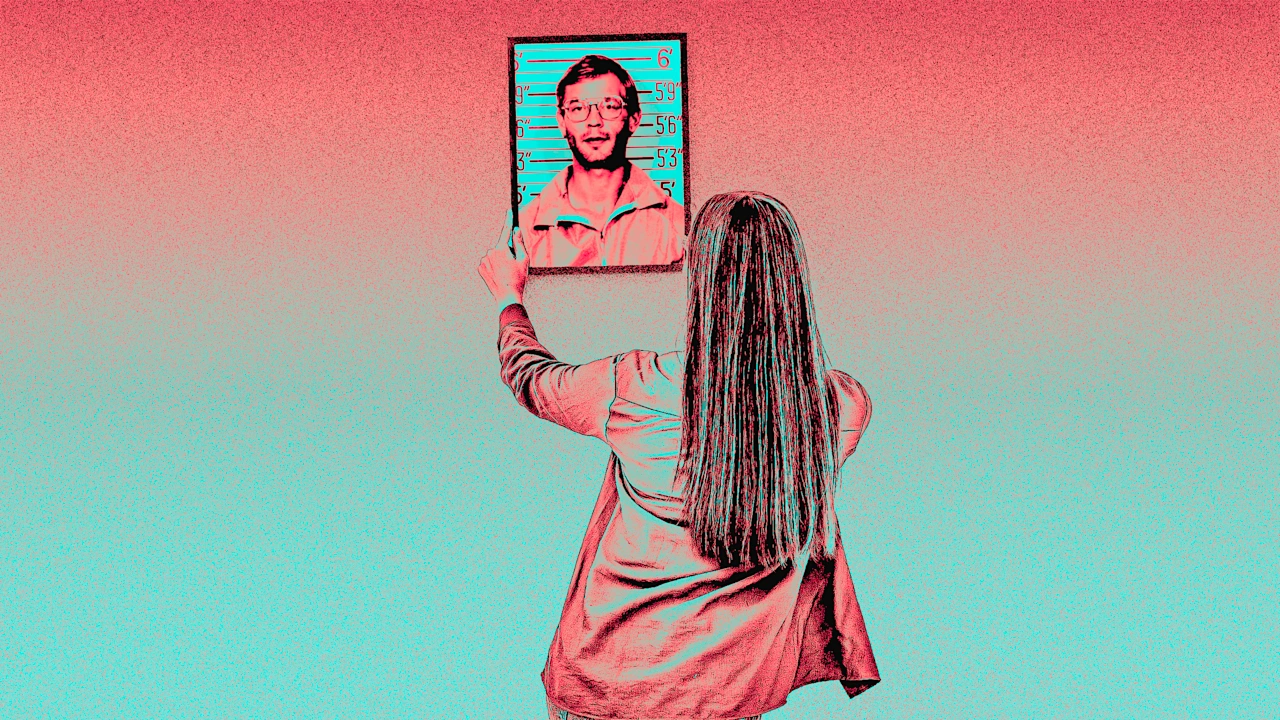
Ted Bundy had courtroom groupies. Jeffrey Dahmer and Richard Ramirez were sent love letters in prison. Now, in the age of social media, thousands like, share, and thirst in the comments over stylized fan edits of serial killers. There’s a term for this psychological phenomenon: hybristophilia.
A new study has found a connection between young women’s engagement with this type of TikTok content and their sexual attraction to criminals.
Those who liked or repeatedly watched clips glorifying notorious serial killers, such as Bundy and Dahmer, or fictional villains, like Joe Goldberg from Netflix’s You, scored higher for hybristophilia than those who scrolled past such content, according to the peer-reviewed research published in the journal Deviant Behavior, the only journal that specifically and exclusively addresses social deviance.
The findings also indicate that personality traits like Machiavellianism and psychopathy are strong predictors of these tendencies.
Previous research on hybristophilia often focused on women already in relationships with convicted offenders. Instead, researchers at the University of Huddersfield in England aimed to explore how this attraction emerges in younger generations, particularly through social media platforms like TikTok.
The study analyzed 66 TikToks and 91 comments posted between 2020 and 2024, then surveyed nearly 100 female TikTok users ages 18 to 27, measuring hybristophilia levels, empathy, and dark personality traits.
As seen in the recent reaction to UnitedHealthcare CEO killer Luigi Mangione, who has been obsessively idolized online and sent fan mail in prison, the halo effect can play in these killers’ favor.
Conventionally attractive offenders like Mangione often have their crimes minimized, while researchers found comments like “Daddy” or “Smash” commonly used in reference to notorious serial killers.
Some users even expressed what the study called a victim fantasy, with 7.6% of participants admitting to having sexual fantasies about “conventionally attractive” offenders like Bundy.
In their research, the study’s authors found violent behaviors were often romanticized, recast as crimes of loyalty or passion. Some expressed the belief that love could reform the killers, a theme the researchers called “I Can Fix Him.”
In some cases, social media users conflated the serial killers with their Hollywood counterparts, a phenomenon known as actor-offender transference. An attraction to actors like Zac Efron and Evan Peters, who played Bundy and Dahmer on-screen, then spilled over into an attraction to the real-life killers.
For those concerned that innocently scrolling social media will suddenly have you fantasizing about serial killers, don’t fear.
The study found that exposure to content romanticizing offenders on a social media feed did not by itself predict an attraction to criminals. Only when users engaged in the content by watching, commenting, or otherwise interacting, did a link present itself.
Originally published by fastcompany.com. Syndicated material does not necessarily reflect the views of Grazia British.
More Culture

Don’t Pull Out of Germany
Merz’s stupidity is no excuse for a stupid response. Source link

Step inside the gorgeous, futuristic offices of Vast, the startup designing the next-gen space station
A tall baobab tree greets people inside the Long Beach, California, headquarters of Vast, an aerospace company that is building the space station of the future. It’s planted beneath a…

5 ways high-performing teams stay calm when everything’s on fire
When markets swing, plans break, inboxes explode, and everyone starts saying the situation is “unprecedented” again, most teams do what humans have always done under pressure: they grip…

Confused Trump Openly Admits Plot to Rig Midterms as Polls Turn Brutal
Last week, the Supreme Court gutted protections against racial gerrymandering, and Donald Trump is already urging Republicans to seize on it. Trump unleashed a Truth Social rant on Monday…