
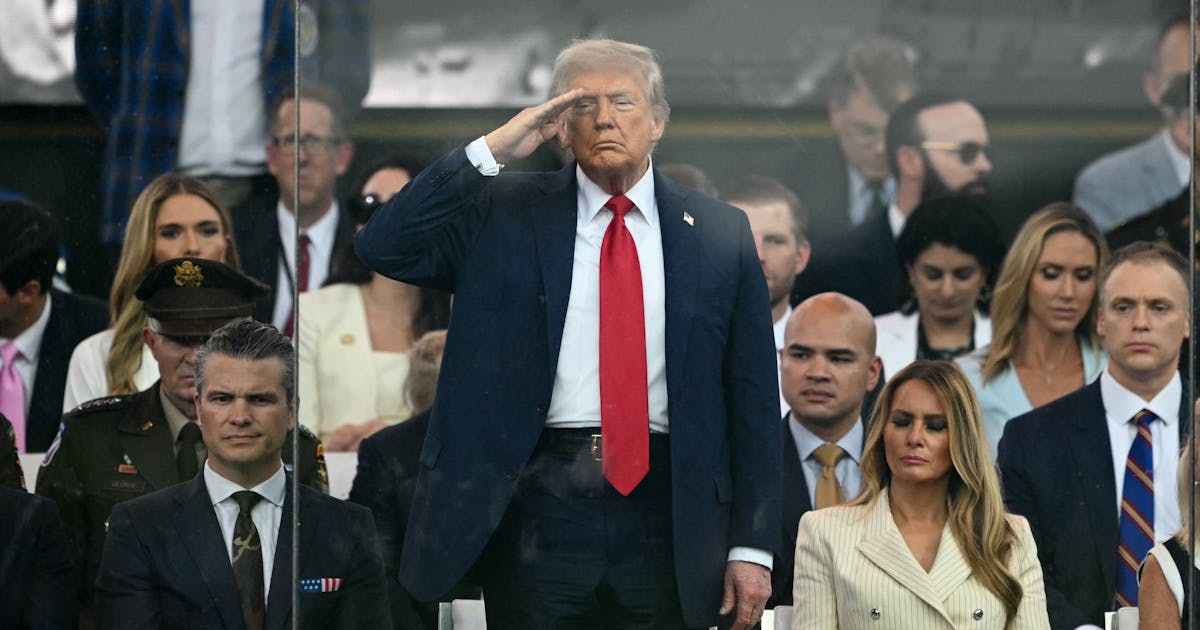
Is Trump About to Get His Own Iraq War?
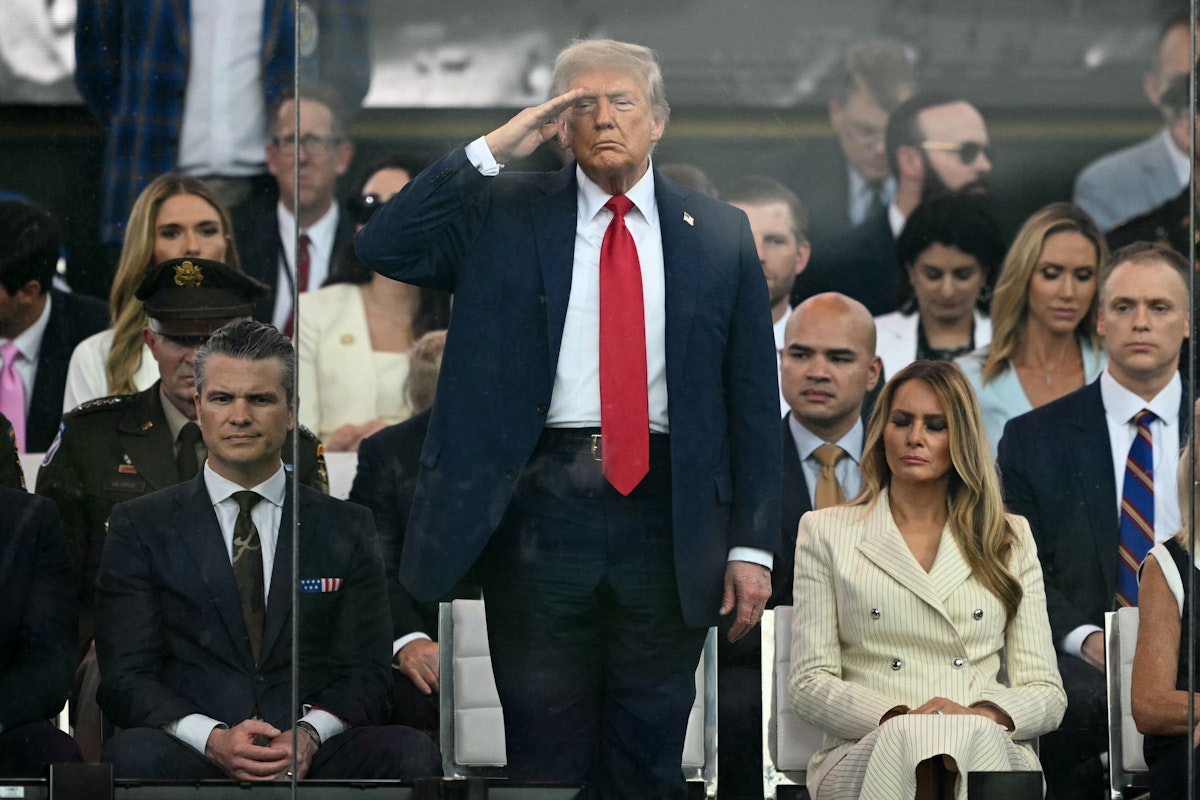
In 2016, two months before he was first elected president, Donald Trump identified the real problem with America’s invasion of Iraq. It wasn’t that it caused hundreds of thousands of deaths, destabilized the Middle East, and did nothing to make the United States safer. The real problem, he said during a candidate forum alongside Hillary Clinton, was that the U.S. footed the bill and got zero return on its investment. “We go in, we spend $3 trillion, we lose thousands and thousands of lives, and then ... what happens is we get nothing,” he said. “You know, it used to be to the victor belong the spoils.… I always said take the oil.”
At the time, despite such remarks, Trump was held aloft by critics of U.S. foreign policy across the political spectrum as the anti-interventionist candidate, a conclusion based largely on Trump’s laments about America’s misadventures abroad. But he was not a dove then, and he certainly isn’t one now, despite his (hollow) boasts that he would end the wars in Ukraine and Gaza. Instead, as president, he has repeatedly advocated for and used military power and profoundly increased the risk of serious conflict. In his first term, he was lucky to avoid a war. Five months into his second, as Israel and Iran bombard each other, he is on the verge of dragging the U.S. into a war that could prove even more catastrophic than Iraq.
The common misunderstanding of Trump’s foreign policy emerged during the 2016 election, when his criticism of the Iraq War was central to his campaign for the Republican nomination and the presidency, particularly in contrast to the hawkish Hillary Clinton, who had been a cheerleader for that disastrous war. Trump did, to be fair, stand out in the Republican field for his scathing criticism of the handling of the war, but he was being more than a little opportunistic: His primary rival for the nomination was Jeb Bush, brother of George W. Bush. In fact, Trump had initially supported the war in the early 2000s. Even when he suggested he was against it, as he did in that September 2016 forum, it was often mixed with a contradictory idea: that the U.S. would have been more successful if it had been more rapacious, violent, and imperialistic.
Trump’s foreign policy is grounded in that contradiction: He is against long-standing foreign entanglements but not particularly antiwar—as long as the U.S. emerges as the clear victor. He believes that conflict should involve overwhelming, short-term force and then rapid de-escalation, usually while extracting as many resources and other benefits as possible. It is this impulse that makes his current approach to Iran—which he is simultaneously threatening with destruction and promising peace toward—so frightening. He earnestly believes he can win a swift “unconditional surrender” and not get our military bogged down in an Iraq-like quagmire. And he believes that simply because he is the commander in chief, not those losers who oversaw past military disasters.
Originally published by newrepublic.com. Syndicated material does not necessarily reflect the views of Grazia British.
More Culture

Don’t Pull Out of Germany
Merz’s stupidity is no excuse for a stupid response. Source link

Step inside the gorgeous, futuristic offices of Vast, the startup designing the next-gen space station
A tall baobab tree greets people inside the Long Beach, California, headquarters of Vast, an aerospace company that is building the space station of the future. It’s planted beneath a…

5 ways high-performing teams stay calm when everything’s on fire
When markets swing, plans break, inboxes explode, and everyone starts saying the situation is “unprecedented” again, most teams do what humans have always done under pressure: they grip…

Confused Trump Openly Admits Plot to Rig Midterms as Polls Turn Brutal
Last week, the Supreme Court gutted protections against racial gerrymandering, and Donald Trump is already urging Republicans to seize on it. Trump unleashed a Truth Social rant on Monday…