

Microsoft says AI can create “zero day” threats in biology
“The patch is incomplete, and the state of the art is changing. But this isn’t a one-and-done thing. It’s the start of even more testing,” says Adam Clore, director of technology R&D at Integrated DNA Technologies, a large manufacturer of DNA, who is a coauthor on the Microsoft report. “We’re in something of an arms race.”
To make sure nobody misuses the research, the researchers say, they’re not disclosing some of their code and didn’t reveal what toxic proteins they asked the AI to redesign. However, some dangerous proteins are well known, like ricin—a poison found in castor beans—and the infectious prions that are the cause of mad-cow disease.
“This finding, combined with rapid advances in AI-enabled biological modeling, demonstrates the clear and urgent need for enhanced nucleic acid synthesis screening procedures coupled with a reliable enforcement and verification mechanism,” says Dean Ball, a fellow at the Foundation for American Innovation, a think tank in San Francisco.
Ball notes that the US government already considers screening of DNA orders a key line of security. Last May, in an executive order on biological research safety, President Trump called for an overall revamp of that system, although so far the White House hasn’t released new recommendations.
Others doubt that commercial DNA synthesis is the best point of defense against bad actors. Michael Cohen, an AI-safety researcher at the University of California, Berkeley, believes there will always be ways to disguise sequences and that Microsoft could have made its test harder.
“The challenge appears weak, and their patched tools fail a lot,” says Cohen. “There seems to be an unwillingness to admit that sometime soon, we’re going to have to retreat from this supposed choke point, so we should start looking around for ground that we can actually hold.”
Cohen says biosecurity should probably be built into the AI systems themselves—either directly or via controls over what information they give.
But Clore says monitoring gene synthesis is still a practical approach to detecting biothreats, since the manufacture of DNA in the US is dominated by a few companies that work closely with the government. By contrast, the technology used to build and train AI models is more widespread. “You can’t put that genie back in the bottle,” says Clore. “If you have the resources to try to trick us into making a DNA sequence, you can probably train a large language model.”
Originally published by technologyreview.com. Syndicated material does not necessarily reflect the views of Grazia British.
More Culture

Don’t Pull Out of Germany
Merz’s stupidity is no excuse for a stupid response. Source link
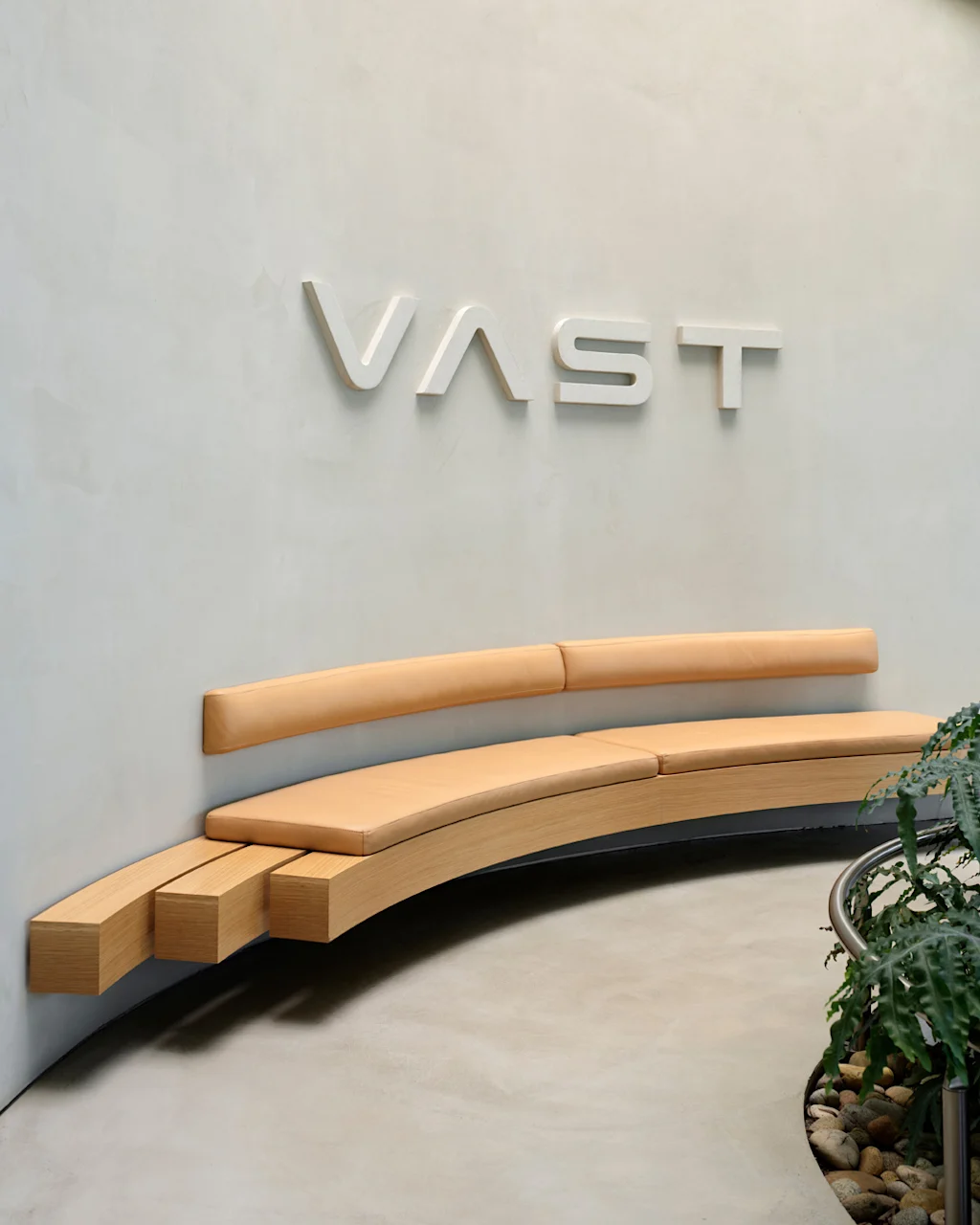
Step inside the gorgeous, futuristic offices of Vast, the startup designing the next-gen space station
A tall baobab tree greets people inside the Long Beach, California, headquarters of Vast, an aerospace company that is building the space station of the future. It’s planted beneath a…
5 ways high-performing teams stay calm when everything’s on fire
When markets swing, plans break, inboxes explode, and everyone starts saying the situation is “unprecedented” again, most teams do what humans have always done under pressure: they grip…

Confused Trump Openly Admits Plot to Rig Midterms as Polls Turn Brutal
Last week, the Supreme Court gutted protections against racial gerrymandering, and Donald Trump is already urging Republicans to seize on it. Trump unleashed a Truth Social rant on Monday…