
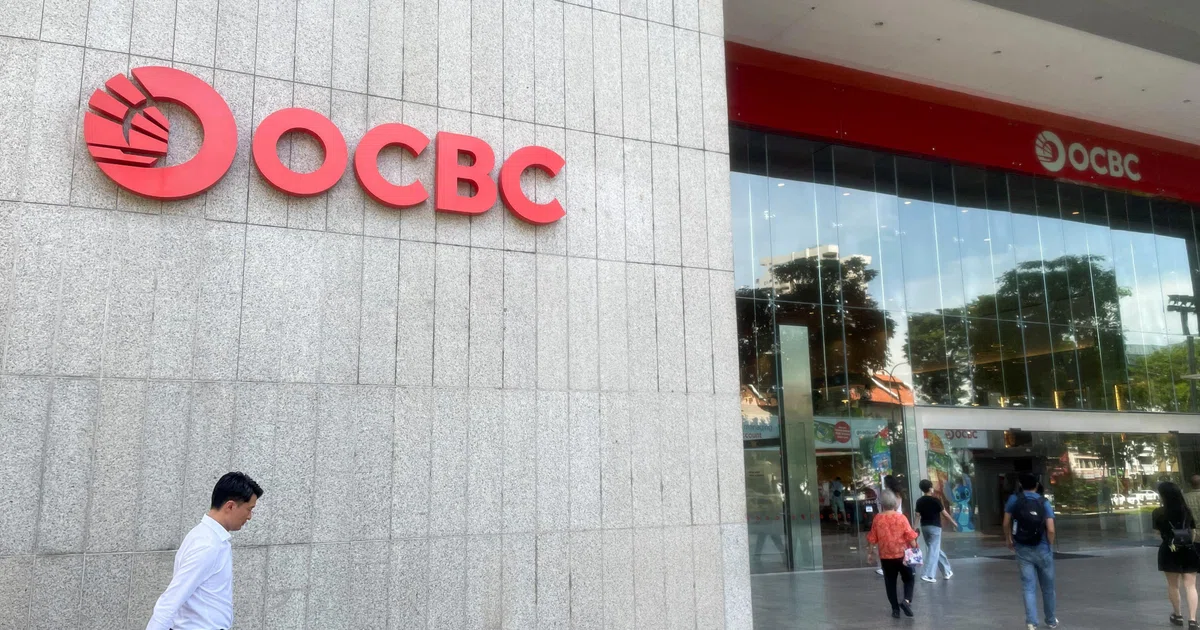
OCBC invests in low-carbon steel in Malaysia’s Sabah
The investment is for the development of a hot briquetted iron plant, which will be part of South-east Asia’s largest integrated low-carbon steel plant
OCBC’s mezzanine capital unit has invested in the development of a low-carbon steel plant in Malaysia’s Sabah state, said the bank in a media release on Monday (Dec 8).
The US$1.5 billion plant, which is scheduled for commissioning by 2030, is being developed by Green Esteel, a Singapore-based investment holding company focused on low-carbon steel.
This is the first commercial funding Green Esteel has received from an Asian financial institution, said the media release.
South-east Asia’s second-largest lender, however, declined to reveal the amount it invested in the plant, when queried by The Business Times.
OCBC’s investment is specifically for the development of a hot briquetted iron plant, which will be part of South-east Asia’s largest integrated low-carbon steel plant. The iron plant aims to produce a low-carbon iron product, which is one of the key materials in manufacturing steel.
The iron plant aims to have an annual production capacity of 2.5 million tonnes of low-carbon iron, which can be used to produce approximately the same volume of low-carbon steel.
The capital injection from OCBC’s investment arm is part of the bank’s sustainability investment programme, which seeks to directly invest in green and transition assets and high-growth companies with sustainable innovations.
The bank said that its investment in Green Esteel is timely as traditional steel production relies heavily on coal, which accounts for approximately 7 per cent of global greenhouse gas emissions.
“As the global economy accelerates its low-carbon transition, demand for low-carbon steel is expected to grow rapidly. Compared to traditional steel production, low-carbon steel production technologies can potentially produce up to 80 per cent lesser carbon emissions,” said the release.
SEE ALSO
Market reports on the green steel industry indicated that the low-carbon steel market is projected to have a compound annual growth rate of 21.4 per cent from 2024 to reach a size of US$19.4 billion by 2029.
OCBC’s investment is also part of its efforts to drive decarbonisation of the steel sector, which is one of six sectors for which the bank has set net-zero targets.
Decoding Asia newsletter: your guide to navigating Asia in a new global order. Sign up here to get Decoding Asia newsletter. Delivered to your inbox. Free.
Originally published by businesstimes.com.sg. Syndicated material does not necessarily reflect the views of Grazia British.
More Culture

Don’t Pull Out of Germany
Merz’s stupidity is no excuse for a stupid response. Source link
Step inside the gorgeous, futuristic offices of Vast, the startup designing the next-gen space station
A tall baobab tree greets people inside the Long Beach, California, headquarters of Vast, an aerospace company that is building the space station of the future. It’s planted beneath a…

5 ways high-performing teams stay calm when everything’s on fire
When markets swing, plans break, inboxes explode, and everyone starts saying the situation is “unprecedented” again, most teams do what humans have always done under pressure: they grip…

Confused Trump Openly Admits Plot to Rig Midterms as Polls Turn Brutal
Last week, the Supreme Court gutted protections against racial gerrymandering, and Donald Trump is already urging Republicans to seize on it. Trump unleashed a Truth Social rant on Monday…