

Of Corn and Cancer: Iowa’s Deadly Water Crisis

But in 2025, a couple of developments have shaken things up. The first is that, on May 30, Central Iowa Water Works—a conglomeration of utilities charged with delivering drinkable water to 600,000 people in the state’s largest metro area, Des Moines, and surrounding towns—asked residents to cut lawn watering by 25 percent. The reason wasn’t extreme heat or drought. The opposite, in fact. After a dry couple of years, central Iowa had experienced an extremely wet spring, and all of that rain had triggered a massive transfer of nitrate and other chemicals from agricultural soils to waterways. The utility’s two main water sources, the Des Moines and Raccoon rivers, were so full of nitrate that Des Moines’s nitrate-removal machine—among the world’s largest—could not keep up. Within less than two weeks, the reduction request rose to 50 percent. And by June 12, Central Iowa Water Works banned lawn watering outright. “CIWW has made the decision to enact the first-ever lawn watering ban to ensure that treatment facilities can produce enough water for lifeline essentials amid water supply challenges caused by high nitrate concentrations in raw source waters,” the agency declared. Running full blast, Des Moines’s denitrification system can cost around $16,000 daily.
In the summer of 2025, heavy nitrate pollution overwhelmed the system’s ability to deliver a full supply of water that met the EPA’s standard. In mid-June, the Des Moines and Raccoon rivers were both showing nitrate levels near 15 parts per million, Central Iowa Water Works reported in daily updates to its users. Levels fluctuated through the end of July, mostly above the limits. On July 30, with levels in both rivers just below the 10 parts per million threshold, the agency ended the watering ban and transitioned to allowing residents to water every other day.
Even though Central Iowa Water Works carefully avoided naming Iowa’s agriculture industry in its daily web updates, all the blunt information of high nitrate levels in source water sets the stage for another shake-up. On July 1, at the height of furor over the water ban, a water-quality report commissioned two years before by Polk County, which houses Des Moines, was released. This wasn’t a typical dull “County Issues Report” story. It dominated media home pages and radio reports because it broke through a veil of Iowa-nice silence about the state’s dire water situation to deliver straight talk. Its authors were a team of 16 scientists from across Iowa and the nation, including Larry Weber, Chris Jones’s former supervisor at the University of Iowa’s Institute of Hydraulic Research and his co-author on several water-quality papers.
Originally published by newrepublic.com. Syndicated material does not necessarily reflect the views of Grazia British.
More Culture

Don’t Pull Out of Germany
Merz’s stupidity is no excuse for a stupid response. Source link
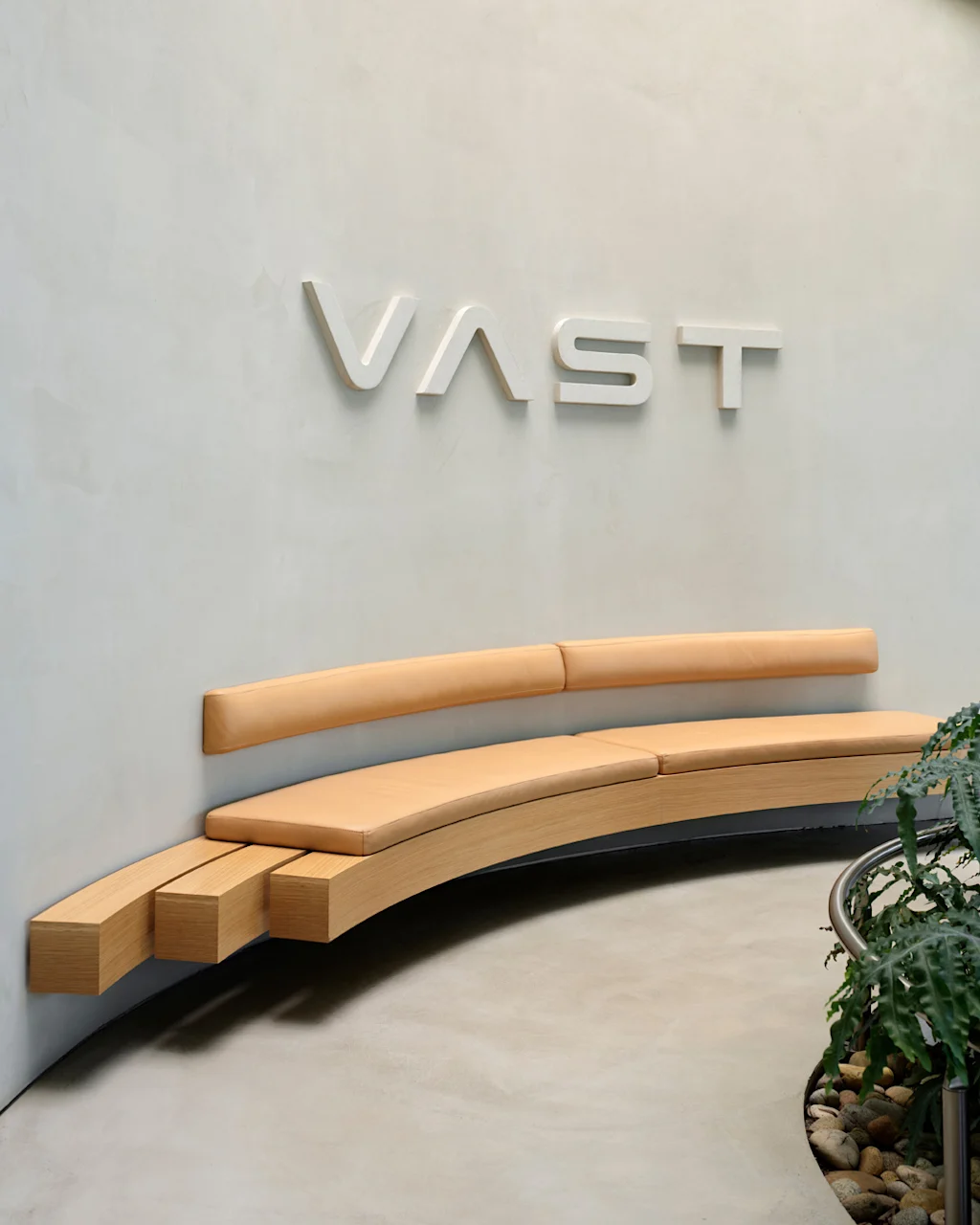
Step inside the gorgeous, futuristic offices of Vast, the startup designing the next-gen space station
A tall baobab tree greets people inside the Long Beach, California, headquarters of Vast, an aerospace company that is building the space station of the future. It’s planted beneath a…

5 ways high-performing teams stay calm when everything’s on fire
When markets swing, plans break, inboxes explode, and everyone starts saying the situation is “unprecedented” again, most teams do what humans have always done under pressure: they grip…

Confused Trump Openly Admits Plot to Rig Midterms as Polls Turn Brutal
Last week, the Supreme Court gutted protections against racial gerrymandering, and Donald Trump is already urging Republicans to seize on it. Trump unleashed a Truth Social rant on Monday…