
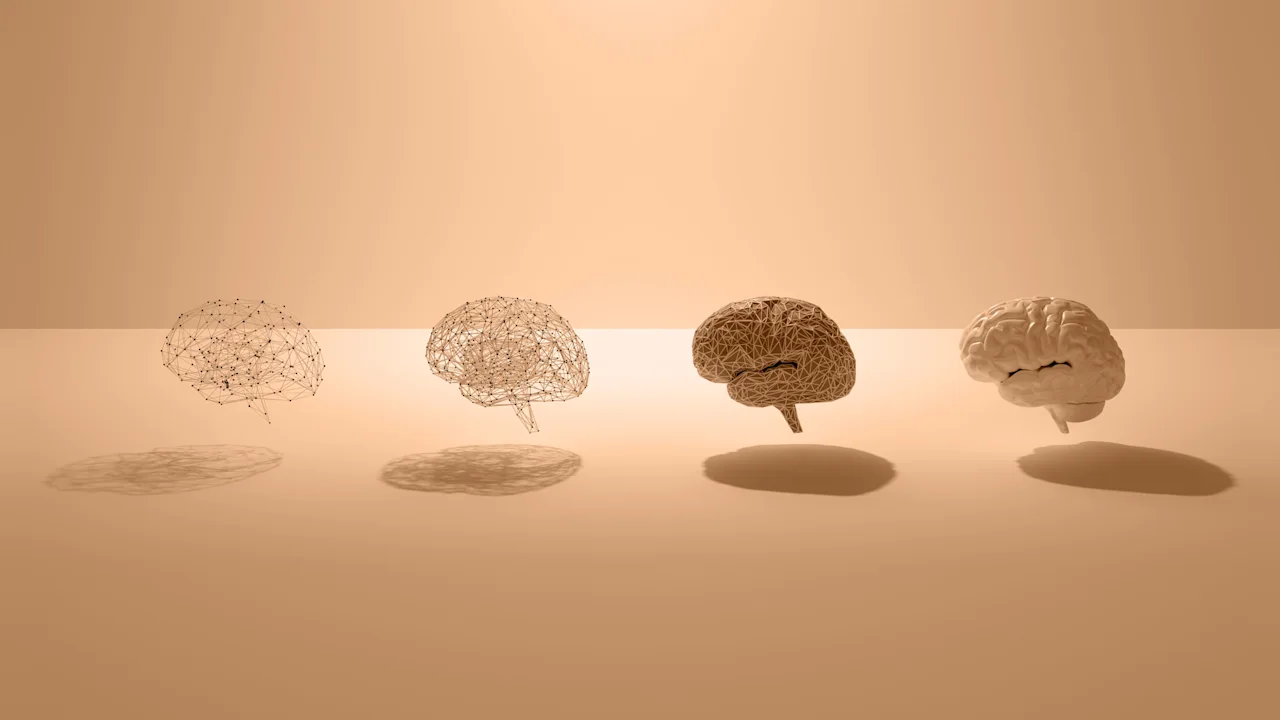
Our brains peak in our early 30s, research says
New research now suggests that our brains are still in the teenage phase until we “peak” in our early thirties.
Researchers from the University of Cambridge looked at scans from around 4,000 people up to the age of 90 to reveal the connections between their brain cells. Rather than progressing steadily over our lifetimes, research published in the journal Nature Communications suggests our brain goes through five distinct phases in life, with key turning points happening at ages nine, 32, 66, and 83.
The first stage, from birth to nine, sees the brain rapidly increasing in size. Around age nine, the “adolescent” phase begins as the brain works on increasing its efficiency. This is the stage when there is the greatest risk of mental health disorders beginning.
“Many neurodevelopmental, mental health, and neurological conditions are linked to the way the brain is wired,” said senior author Dr. Duncan Astle, professor of neuroinformatics at Cambridge. “Indeed, differences in brain wiring predict difficulties with attention, language, memory, and a whole host of different behaviours.”
The most surprising takeaway from the study is that the adolescent phase lasts far longer than expected. Based on how the brain forms connections, this phase lasts until roughly age 32. That means that while you’re trying to get your act together in your 20s, your brain is pretty much still a teenager.
(Important to note is this distinction is based on the brain’s efficiency at making connections, not a sign of arrested development or an excuse to act like a manchild).
At 32, the biggest shift kicks in. The brain hits a period of “peak” efficiency, meaning regions of the brain are using the most direct pathways to communicate. This marks the transition into adulthood, which is the longest and most stable stretch of brain development.
Studies have shown that personality and intelligence also stabilize during this time. Despite headlines about college drop-out entrepreneurs, the average age for successful entrepreneurs sits squarely in this developmental stage—at 45 years old.
Approaching the age of retirement, at age 66 a third turning point marks the start of an “early aging” phase. Here, the pace of neural network changes in the brain starts to slow as white matter begins to decline.
Finally, at around 83 years old the “late aging” brain takes shape. Brain connectivity between different regions declines further, and people tend to fall back on certain well-trodden neural pathways and regions.
“Looking back, many of us feel our lives have been characterised by different phases. It turns out that brains also go through these eras,” said Astle, who was a senior author of the research.
“Understanding that the brain’s structural journey is not a question of steady progression, but rather one of a few major turning points, will help us identify when and how its wiring is vulnerable to disruption.”
Originally published by fastcompany.com. Syndicated material does not necessarily reflect the views of Grazia British.
More Culture

Don’t Pull Out of Germany
Merz’s stupidity is no excuse for a stupid response. Source link

Step inside the gorgeous, futuristic offices of Vast, the startup designing the next-gen space station
A tall baobab tree greets people inside the Long Beach, California, headquarters of Vast, an aerospace company that is building the space station of the future. It’s planted beneath a…

5 ways high-performing teams stay calm when everything’s on fire
When markets swing, plans break, inboxes explode, and everyone starts saying the situation is “unprecedented” again, most teams do what humans have always done under pressure: they grip…

Confused Trump Openly Admits Plot to Rig Midterms as Polls Turn Brutal
Last week, the Supreme Court gutted protections against racial gerrymandering, and Donald Trump is already urging Republicans to seize on it. Trump unleashed a Truth Social rant on Monday…