

RFK Jr. Threatens Wild Ban on How NIH Scientists Can Share Work
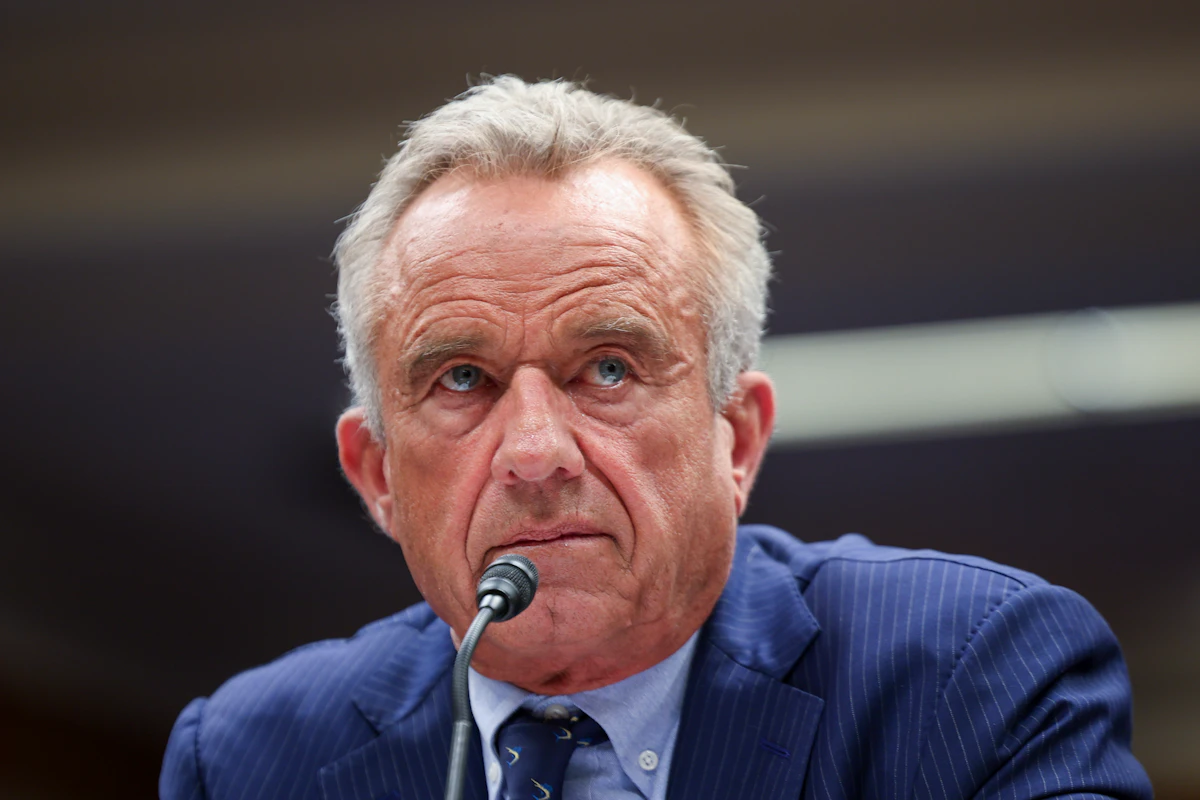
Robert F. Kennedy Jr. doesn’t want government scientists to publish their work in the world’s leading medical journals.
In the Ultimate Human podcast on Tuesday, the secretary of health and human services accused the New England Journal of Medicine, the Journal of the American Medical Association, andThe Lancet of being “corrupt” and in the pocket of major pharmaceutical companies.
“Unless those journals change dramatically, we are going to stop scientists from publishing in them and we’re going to create our own journals in-house,” Kennedy said. The NIH is the world’s largest funder of health research.
Last week, the HHS released a report saying that overprescribed medications were the source of increased chronic diseases in children, blaming the pharmaceutical industry and a culture of fear for preventing doctors and scientists from studying these diseases’ root causes. And earlier this month, the Justice Department sent threatening letters to medical journals around the country, accusing them of partisanship.
“It has been brought to my attention that more and more journals and publications … are conceding that they are partisans in various scientific debates,” wrote Ed Martin, the interim U.S. attorney for the District of Columbia at the time, in a letter to the medical journal CHEST. According to NPR, the letters did not cite any evidence to back up Martin’s claims.
The head of the NIH, Jay Bhattacharya, said in an interview earlier this month that he supports academic freedom, meaning that “I can send my paper out even if my bosses disagree with me.”
On the surface, that would seem to run counter to Kennedy’s proposed ban, but Bhattacharya and Food and Drug Administration chief Marty Makary, who are both also vaccine skeptics, just happen to have launched their own medical journal, Journal of the Academy of Public Health. The two are listed as “on leave” from the journal, which has raised concerns about promoting misinformation.
“It looks like a well-put-together journal, it’s been nicely designed and so forth,” Carl Bergstrom, an evolutionary biologist at the University of Washington, told the journal Science. “But when you look at the papers that have been published and at the editorial board, you see that it’s really dominated a small clique of contrarians around the COVID pandemic. There is certainly nothing like even representation of consensus viewpoints within infectious disease epidemiology.”
For all of their talk about academic freedom and corruption, Kennedy, Bhattcharya, and Makary seem to be pushing their own views and stifling others’. Their appointments also coincide with mass layoffs and staff purges at their respective agencies, leaving behind smaller staffs less likely to raise objections out of fear of losing their jobs.
Originally published by newrepublic.com. Syndicated material does not necessarily reflect the views of Grazia British.
More Culture

Don’t Pull Out of Germany
Merz’s stupidity is no excuse for a stupid response. Source link

Step inside the gorgeous, futuristic offices of Vast, the startup designing the next-gen space station
A tall baobab tree greets people inside the Long Beach, California, headquarters of Vast, an aerospace company that is building the space station of the future. It’s planted beneath a…

5 ways high-performing teams stay calm when everything’s on fire
When markets swing, plans break, inboxes explode, and everyone starts saying the situation is “unprecedented” again, most teams do what humans have always done under pressure: they grip…

Confused Trump Openly Admits Plot to Rig Midterms as Polls Turn Brutal
Last week, the Supreme Court gutted protections against racial gerrymandering, and Donald Trump is already urging Republicans to seize on it. Trump unleashed a Truth Social rant on Monday…