
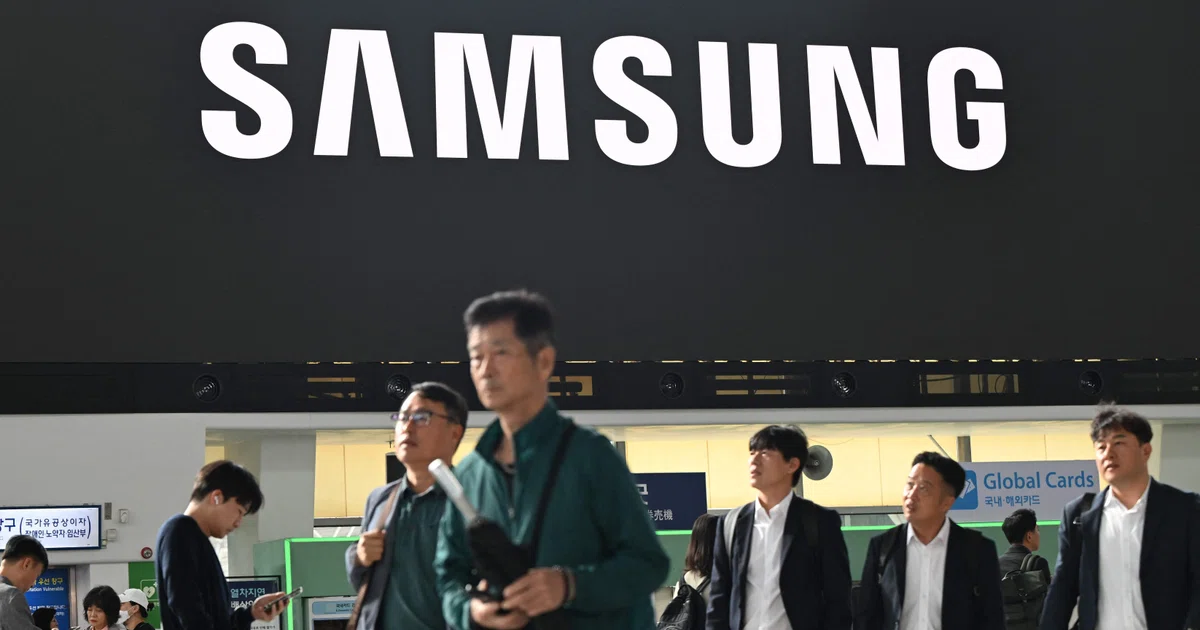
Samsung’s chip profit soars after AI fuels demand for memory
Memory chip business is a key pillar of the company’s empire, which spans smartphones and home appliances
Samsung Electronics’ semiconductor arm reported a stronger-than-expected rise in profit, suggesting global artificial intelligence (AI) demand is helping drive a recovery at the South Korean company’s most important business.
The unit, which competes with SK Hynix and US-based Micron Technology, posted an operating profit of seven trillion won (S$6.4 billion) for the September quarter, compared with analysts’ average projection for 4.7 trillion won.
South Korea’s largest company, which reported upbeat preliminary operating profit and revenue earlier this month, said on Thursday that net income totalled 12.01 trillion won, beating analysts’ estimate of 9.29 trillion won.
Samsung has been mobilising its vast resources to better position itself in a fierce global contest where big spenders, including OpenAI and Meta Platforms, are amassing computing power for their AI services.
The memory chip business is a key pillar of Samsung’s empire, which spans smartphones and home appliances. But the company has ceded leadership in an arena where customers are willing to pay a premium for memory capacity that boosts AI capabilities.
The spending spree is spilling over into demand for conventional memory products, where Samsung dominates. Its stock price is up about 90 per cent since the start of the year, although shares of AI memory leader and home rival SK Hynix have more than tripled in the same period.
SEE ALSO
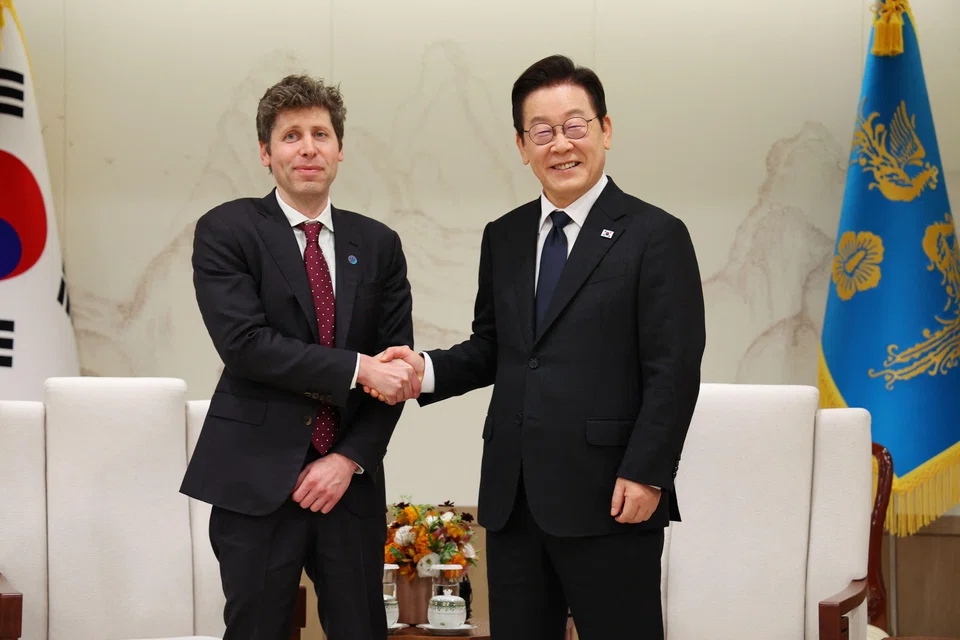
Investors are betting on Samsung’s chances of using its scale to gain ground in high-bandwidth memory. It reclaimed its spot as the top memory maker in terms of revenue in the third quarter after AI-related investments bolstered prices and sales volumes of general-purpose Dram and Nand, according to Counterpoint.
The Suwon-based chipmaker recently secured an order from Advanced Micro Devices while awaiting final approval on HBM3E chips and next-generation HBM4 from Nvidia, whose boss Jensen Huang is in South Korea this week. Samsung has also inked a deal to supply chips to OpenAI’s Stargate project.
“If you just look across the entire Korean ecosystem, every one of the companies are deep friends of mine and very good partners,” Huang told reporters during a company event in Washington earlier this week. “When I go, hopefully we will have some announcements that will be really, really delightful to the people of Korea and really delightful to President Trump.” BLOOMBERG
Originally published by businesstimes.com.sg. Syndicated material does not necessarily reflect the views of Grazia British.
More Culture

Don’t Pull Out of Germany
Merz’s stupidity is no excuse for a stupid response. Source link

Step inside the gorgeous, futuristic offices of Vast, the startup designing the next-gen space station
A tall baobab tree greets people inside the Long Beach, California, headquarters of Vast, an aerospace company that is building the space station of the future. It’s planted beneath a…

5 ways high-performing teams stay calm when everything’s on fire
When markets swing, plans break, inboxes explode, and everyone starts saying the situation is “unprecedented” again, most teams do what humans have always done under pressure: they grip…

Confused Trump Openly Admits Plot to Rig Midterms as Polls Turn Brutal
Last week, the Supreme Court gutted protections against racial gerrymandering, and Donald Trump is already urging Republicans to seize on it. Trump unleashed a Truth Social rant on Monday…