

Singapore aims to lead region’s ammonia path to net zero: EMA chief
EMA is actively exploring the viability of combusting ammonia directly in gas turbines
Singapore must move early and decisively to explore alternative fuels such as hydrogen and ammonia, said Energy Market Authority (EMA) chief executive Puah Kok Keong.
He told The Business Times during an interview at Siemens Energy’s Finspang factory that directly burning ammonia for power generation, rather than using it only as a hydrogen carrier, could be a viable path to net-zero emissions by 2050 for a small, import-dependent nation with limited renewable resources.
There has been a lot of interest in hydrogen as a pathway for decarbonisation among several countries such as Japan and South Korea, said Puah. These countries tend to be those that are dependent on natural gas and energy imports.
“Other South-east Asian countries are interested (in hydrogen fuel), but they have many other energy options available to them. Therefore, they may not feel a need to be one of the frontrunners.”
In contrast, Singapore lacks access to key renewable sources such as hydropower, wind, or sufficient land for conventional nuclear energy. “For Singapore’s case, we don’t have as many options as other countries,” Puah said. “Therefore, we have to start investing early and explore certain pathways and make those pathways possible.”
The city-state launched its National Hydrogen Strategy in 2022, with an aim for hydrogen to supply up to half its power needs by 2050. Today, more than 90 per cent of Singapore’s electricity is still generated using imported natural gas.
A NEWSLETTER FOR YOU

Friday, 8.30 am
Asean Business
Business insights centering on South-east Asia's fast-growing economies.
Hydrogen’s promise and pitfalls
Despite the promise of hydrogen, its integration into the power mix is fraught with logistical and technical hurdles.
Producing green hydrogen, which is hydrogen not derived from fossil fuels, demands two critical inputs: abundant low-cost green energy and large volumes of clean water for electrolysis. Neither is something Singapore can afford.
Transporting hydrogen is another challenge. “Because it’s very light, if you want to liquefy it, you need to bring it down to a very low temperature – way lower than liquefied natural gas’ temperature,” he explained. “That itself is energy-intensive and difficult.”
While Europe can tap into an extensive pipeline network to move hydrogen, South-east Asia lacks similar infrastructure. This limits the viability of hydrogen as a scalable fuel across the region – at least for now.
Why ammonia?
Ammonia, widely used in fertiliser production and supported by existing storage and transport infrastructure, is emerging as a more practical alternative.
“Using ammonia for power generation, therefore, becomes an attractive option that we hope one day can become possible,” said Puah.
While gas turbines capable of running on 100 per cent hydrogen are already a feasible goal that companies such as Siemens Energy are working towards, EMA is now exploring whether turbines can also operate on 100 per cent ammonia. This could bypass the need to first crack ammonia into hydrogen – a process that incurs significant energy loss.
“If there is a way to burn ammonia directly, then actually it can be more energy efficient.”
EMA is already actively exploring the viability of combusting ammonia directly in gas turbines.
In October, EMA and the Maritime and Port Authority of Singapore appointed a consortium led by Keppel to conduct studies advancing a proposal using ammonia for power generation and bunkering, under the National Hydrogen Strategy.
Crossover with marine fuel could cut costs
Ammonia’s potential as a fuel extends beyond the power sector. Puah noted that the marine industry is also exploring ammonia for marine bunkering as a cleaner alternative to conventional ship fuels.
“If ammonia also becomes possible for (this), then you have a well-developed ammonia industry around the world supporting both marine bunkering and power generation,” he said. “That will reduce costs quite a lot for every industry player.”
While several challenges remain such as emissions management of nitrogen oxides, Singapore’s early push into ammonia reflects the small nation’s strategic calculation for a sustainably powered future, which could also help shape the region’s energy future.
Originally published by businesstimes.com.sg. Syndicated material does not necessarily reflect the views of Grazia British.
More Culture

Don’t Pull Out of Germany
Merz’s stupidity is no excuse for a stupid response. Source link
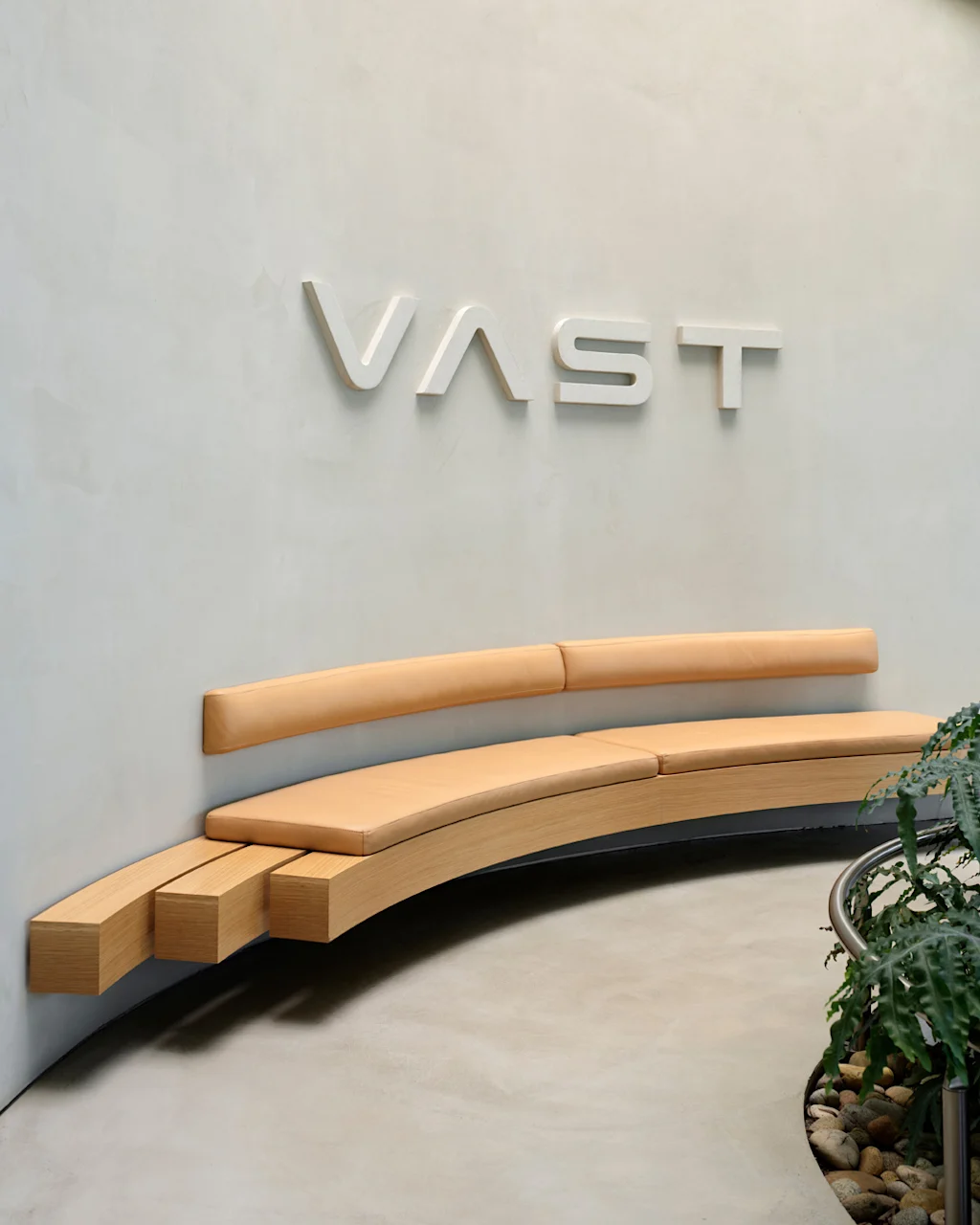
Step inside the gorgeous, futuristic offices of Vast, the startup designing the next-gen space station
A tall baobab tree greets people inside the Long Beach, California, headquarters of Vast, an aerospace company that is building the space station of the future. It’s planted beneath a…

5 ways high-performing teams stay calm when everything’s on fire
When markets swing, plans break, inboxes explode, and everyone starts saying the situation is “unprecedented” again, most teams do what humans have always done under pressure: they grip…

Confused Trump Openly Admits Plot to Rig Midterms as Polls Turn Brutal
Last week, the Supreme Court gutted protections against racial gerrymandering, and Donald Trump is already urging Republicans to seize on it. Trump unleashed a Truth Social rant on Monday…