
Singapore hedge fund Arrowpoint capitalised on May market turmoil
Singapore’s multi-strategy hedge fund Arrowpoint Investment Partners has made gains by exploiting market dislocations triggered by global trade tariff shocks and sees more arbitrage opportunities ahead, its chief investment officer said.
Since mid-April, the US$1.1 billion fund has capitalised on extreme dislocations in equities, currencies and bond curves, founder and CIO Jonathan Xiong told Reuters.
May was the fund’s best month since its launch last July, up more than 3 per cent, said a person familiar with the matter who declined to be identified.
By comparison, multi-strategy hedge funds were on average flat in April, data from With Intelligence shows.
Backed by Blackstone, the Canada Pension Plan Investment Board and Temasek’s Seviora, Arrowpoint was Asia’s largest hedge fund startup last year. It now has around 110 staff with over 20 trading pods.
“Everything has got more volatile, but there are also opportunities that were so abundantly clear,” said Xiong, a former Asia co-CEO of Millennium Management.
BT in your inbox

Start and end each day with the latest news stories and analyses delivered straight to your inbox.
Arrowpoint exploited dislocations in Asia FX markets using non-deliverable forwards and profited from Australian rate curve anomalies following US President Donald Trump tariff announcements, Xiong said.
It was able to take advantage of temporary mispricing in asset prices, betting they would eventually revert to normal levels.
“One thing I noticed is that Asia dislocations take much longer to come back as the market is less liquid compared to the US,” Xiong said.
Arrowpoint, however, stayed clear of Japan’s rate markets, where super-long bond yields were driven to record highs in May.
“The risk premium injected towards the longer end of the Japan curve may be warranted given investors’ repricing of global bond term premiums,” he said.
At the Sohn Hong Kong Investment Leaders Conference on May 30, Xiong pitched a long China/short Japan “risk parity” trade, which involves buying China stock index futures and five-year government bonds, while shorting similar Japanese assets.
He said investor interest in Asia-based multi-strategy funds is rising as there’s growing concern about over-exposure to US markets. REUTERS
Originally published by businesstimes.com.sg. Syndicated material does not necessarily reflect the views of Grazia British.
More Culture

Don’t Pull Out of Germany
Merz’s stupidity is no excuse for a stupid response. Source link
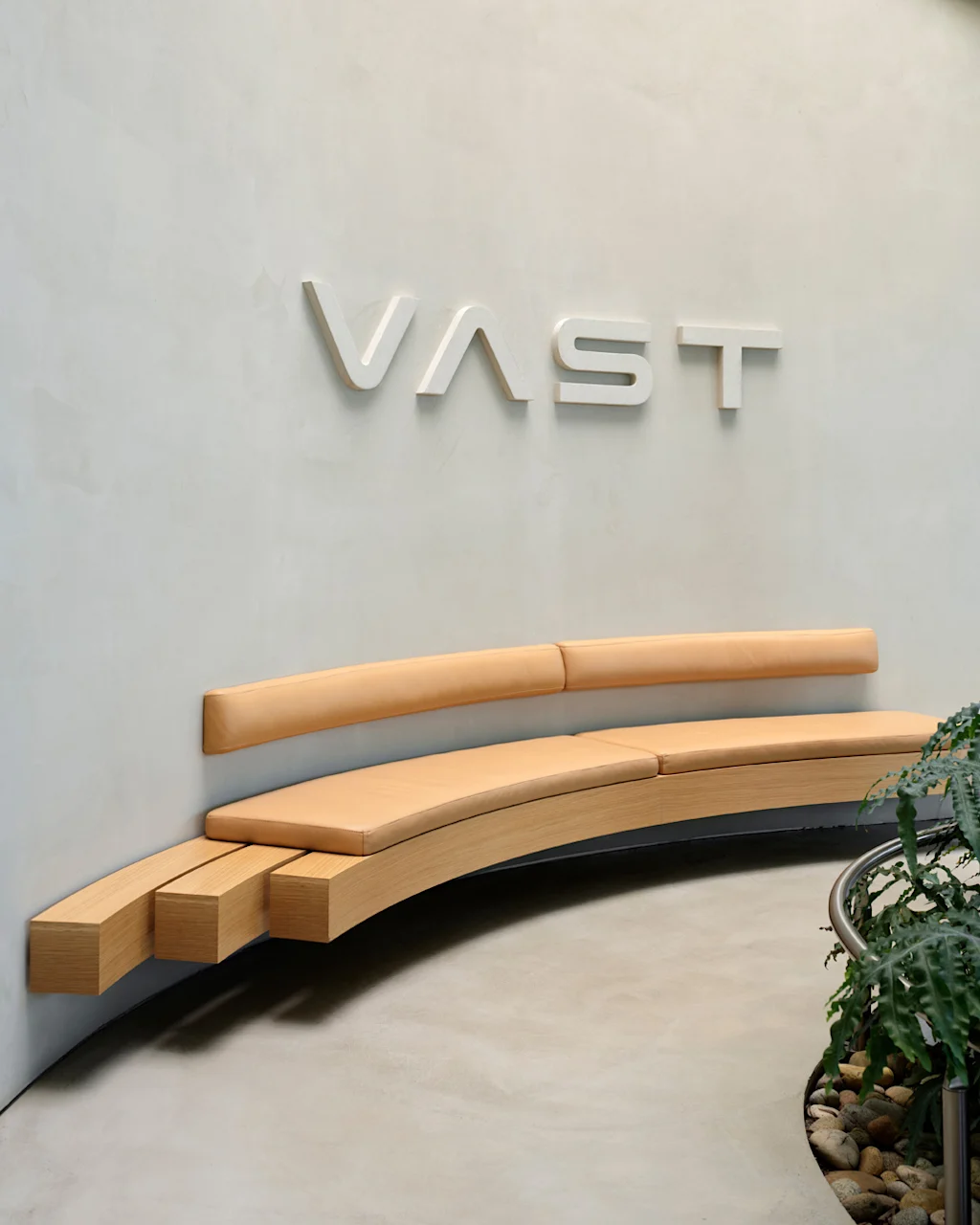
Step inside the gorgeous, futuristic offices of Vast, the startup designing the next-gen space station
A tall baobab tree greets people inside the Long Beach, California, headquarters of Vast, an aerospace company that is building the space station of the future. It’s planted beneath a…

5 ways high-performing teams stay calm when everything’s on fire
When markets swing, plans break, inboxes explode, and everyone starts saying the situation is “unprecedented” again, most teams do what humans have always done under pressure: they grip…

Confused Trump Openly Admits Plot to Rig Midterms as Polls Turn Brutal
Last week, the Supreme Court gutted protections against racial gerrymandering, and Donald Trump is already urging Republicans to seize on it. Trump unleashed a Truth Social rant on Monday…