

Stop waiting for perfect AI
Experts have compressed their predictions for when artificial general intelligence (AGI)—the type of AI that can equal or exceed human intelligence—will arrive. When predictions were first made in 2023, AGI was expected to arrive in 50 years. Newer estimates say five years.
When GPT-5 came out this summer, it demonstrated surprising leaps in reasoning and memory, further accelerating those timelines. Progress is moving faster than anyone anticipated, and what once felt speculative now feels inevitable. Meanwhile, small teams are shipping products that would have required 100-person companies two years ago.
The gap between the AGI debaters and the builders (those who are developing AGI systems) isn’t philosophical—it’s economic. While everyone waits for perfect AI, builders are dominating markets with today’s “broken” tools, those that are functioning, albeit with some quirks, that will be worked out as the technology evolves. They aren’t betting on future breakthroughs, they’re betting on momentum.
WHAT’S ACTUALLY HAPPENING
This wave of adoption isn’t happening in research labs. It’s happening inside companies solving boring, repetitive problems. The shift isn’t about science fiction-level AI. It’s about shipping fast and iterating now.
As has been covered in Fast Company: Cursor went from launch to 40,000 customers by letting developers code faster with AI. Glean hit $100 million in annual revenue helping companies search their own documents. These aren’t hypothetical AGI use cases. They’re real businesses built on today’s imperfect AI. And they’re growing because they’re solving problems that already exist—not waiting on capabilities that might.
At Fireflies, we process billions of conversations across sales, recruiting, and customer success. Our AI doesn’t just transcribe. It identifies deal risks, surfaces customer objections, and tracks competitive mentions across entire organizations. It’s not flawless, but there isn’t an AI yet that is, but an AI tool that can provide actionable insights today beats a perfect AI that never ships.
We’re seeing the same pattern across the board: AI that’s just good enough is already creating leverage. Take “vibe coding” platforms—they let non-programmers create apps simply by describing what they want in natural language without a single line of code.Are these apps perfect? No. Do they work well enough to solve real problems? Absolutely.
That means we’re entering a phase where anyone with a problem and a prompt can build a product.
THE COMPOUND EFFECT
The hardest part of adopting AI? Knowing where to start.
Begin with the boring stuff. Find the repetitive task in your workflow that nobody wants to do.
Apply today’s AI, and ship when the product or service is 80% good. Then, fix as you go.
Most companies think they need a moonshot AI strategy. What they need is a simple use case. The advantage isn’t having the smartest model, it’s in learning the fastest. AI rewards iteration, so the teams that adopt early build intuition, infrastructure, and momentum that compound. Early adoption gives you more than tools—it gives you an internal muscle for how to think with AI.
This is what builders do while large companies form AI committees. And every day the builders ship, they get stronger. Every interaction improves their product. Every customer teaches them something new. Every iteration makes switching to their solution more inevitable.
By the time AGI arrives (whether that’s 2027 or 2047), these builders will own entire markets. Not because they had better AI, but because they started using what was available.
BUILD OR LOSE
The world will keep running, but ownership of entire industries will have already changed hands. From companies waiting for perfect AI to builders who shipped with what they had.
OpenAI itself proved this path works: They’ve improved their models not through some breakthrough to AGI, but by shipping o1 models that spend more computing power on reasoning at inference time, the moment a model is generating answers in response to a prompt.
Messy iteration beats elegant planning. Stop waiting for the perfect model. Stop debating timelines. The builders aren’t waiting for history. They’re making it.
Krish Ramineni is CEO and cofounder of Fireflies.ai.
Originally published by fastcompany.com. Syndicated material does not necessarily reflect the views of Grazia British.
More Culture

Don’t Pull Out of Germany
Merz’s stupidity is no excuse for a stupid response. Source link
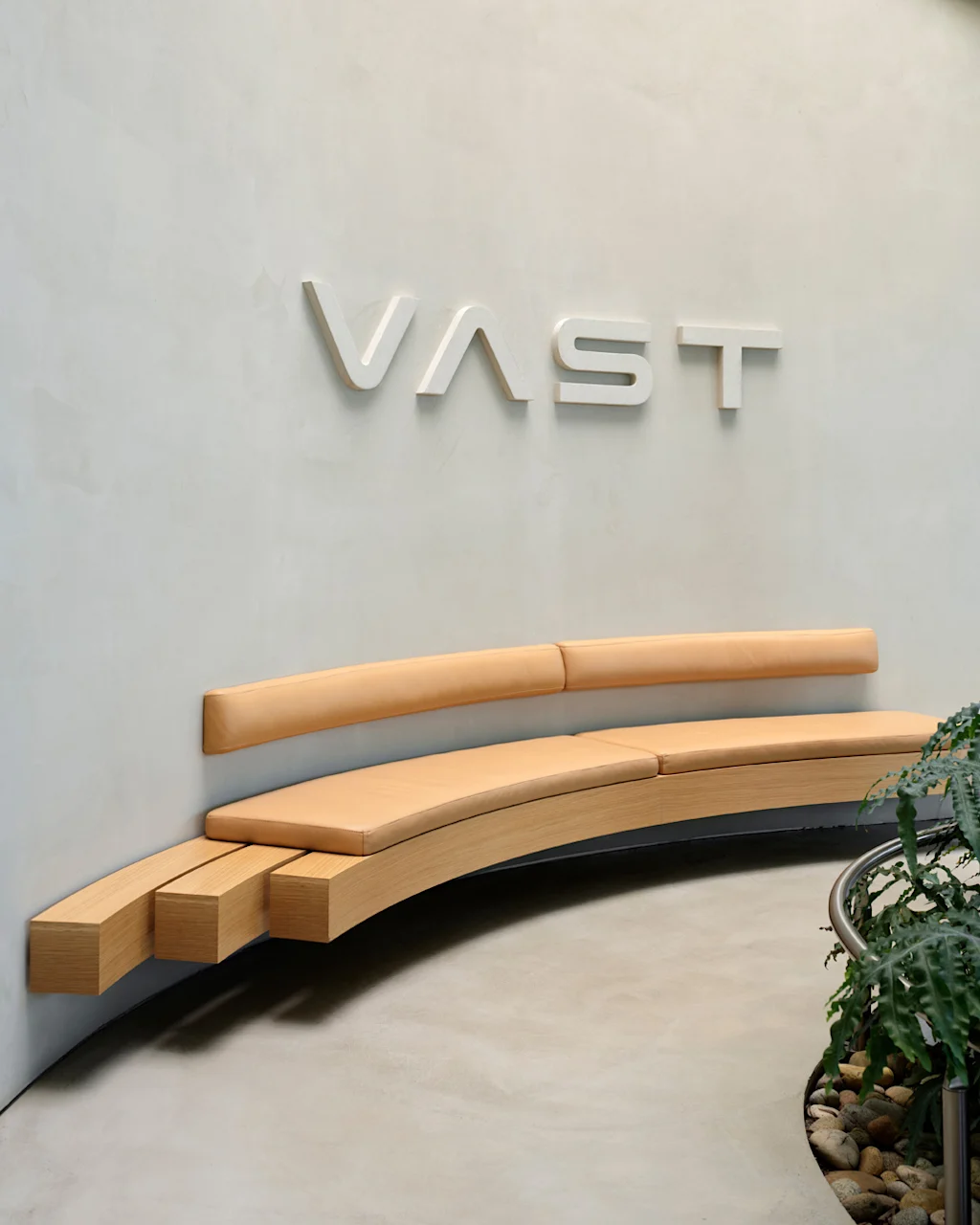
Step inside the gorgeous, futuristic offices of Vast, the startup designing the next-gen space station
A tall baobab tree greets people inside the Long Beach, California, headquarters of Vast, an aerospace company that is building the space station of the future. It’s planted beneath a…

5 ways high-performing teams stay calm when everything’s on fire
When markets swing, plans break, inboxes explode, and everyone starts saying the situation is “unprecedented” again, most teams do what humans have always done under pressure: they grip…

Confused Trump Openly Admits Plot to Rig Midterms as Polls Turn Brutal
Last week, the Supreme Court gutted protections against racial gerrymandering, and Donald Trump is already urging Republicans to seize on it. Trump unleashed a Truth Social rant on Monday…