

The 18-to-24 demo is taking over LinkedIn
LinkedIn is often seen as the purview of recruiters and thought leaders. But the professional networking platform is quietly attracting a rather unexpected audience.
According to recent data, 18- to 24-year-olds now make up 20.5% of its user base. That tracks, as college students and recent grads enter a cutthroat job market, eager to build a personal brand and online résumé that might help them stand out from the competition.
What’s more surprising is that high school students are also getting in on the game, younger than ever, and treating the platform as a means to get ahead. High schoolers are discussing how having a professional online presence—before they even start their careers—is simply showing initiative. Sharing volunteer work, internships, and professional goals where future employers can see them (and keeping brain-rot slang content confined to TikTok) shows ambition, some argue. The pressure to hit 500 connections is real.
LinkedIn opened its doors to users 13 and up back in 2013, long before today’s teens were even online. But Gen Z and Gen Alpha are coming of age in a world where career anxiety starts early, as social media feeds them an endless scroll of entrepreneurs, side hustlers, and monetizable “passions” complete with six-figure salaries—however unrealistic it may be.
As a result, early signs have shown that Gen Zers and Gen Alphas may have stronger entrepreneurial aspirations than previous generations. A new survey of 2,002 Gen Z and Gen Alpha users (ages 12 to 28) by social commerce platform Whop found that more than half are already using the internet to earn money through digital side hustles like selling vintage clothing, streaming video games, and posting on social media.
And it’s paying off. Gen Alpha members report making an average of $13.92 per hour from digital pursuits, well above the federal minimum wage. When teens are bringing in the equivalent of a $28,000 salary before they can drive, it’s no wonder they want a professional profile to match.
For some teens, the platform acts as a great equalizer. LinkedIn can connect students, especially those who don’t come from wealthy or well-networked backgrounds, to mentors, internships, and career paths they might not otherwise be aware of. Tools like LinkedIn Learning offer free courses in leadership, coding, design, and more.
Yet, comparison culture is rampant across social media. And LinkedIn is no exception. The pressure of worrying about future careers is taking hold at younger and younger ages.
As the World Economic Forum’s “The Future of Jobs and Skills” report estimated back in 2016, 65% of children entering primary school that year will likely work in roles that didn’t even exist yet. The same will most likely be true in another decade from now.
If you don’t even know what job you’ll be applying for when you graduate, there’s really no use in worrying too much about it. After all, you’re only 15 once.
Originally published by fastcompany.com. Syndicated material does not necessarily reflect the views of Grazia British.
More Culture

Don’t Pull Out of Germany
Merz’s stupidity is no excuse for a stupid response. Source link
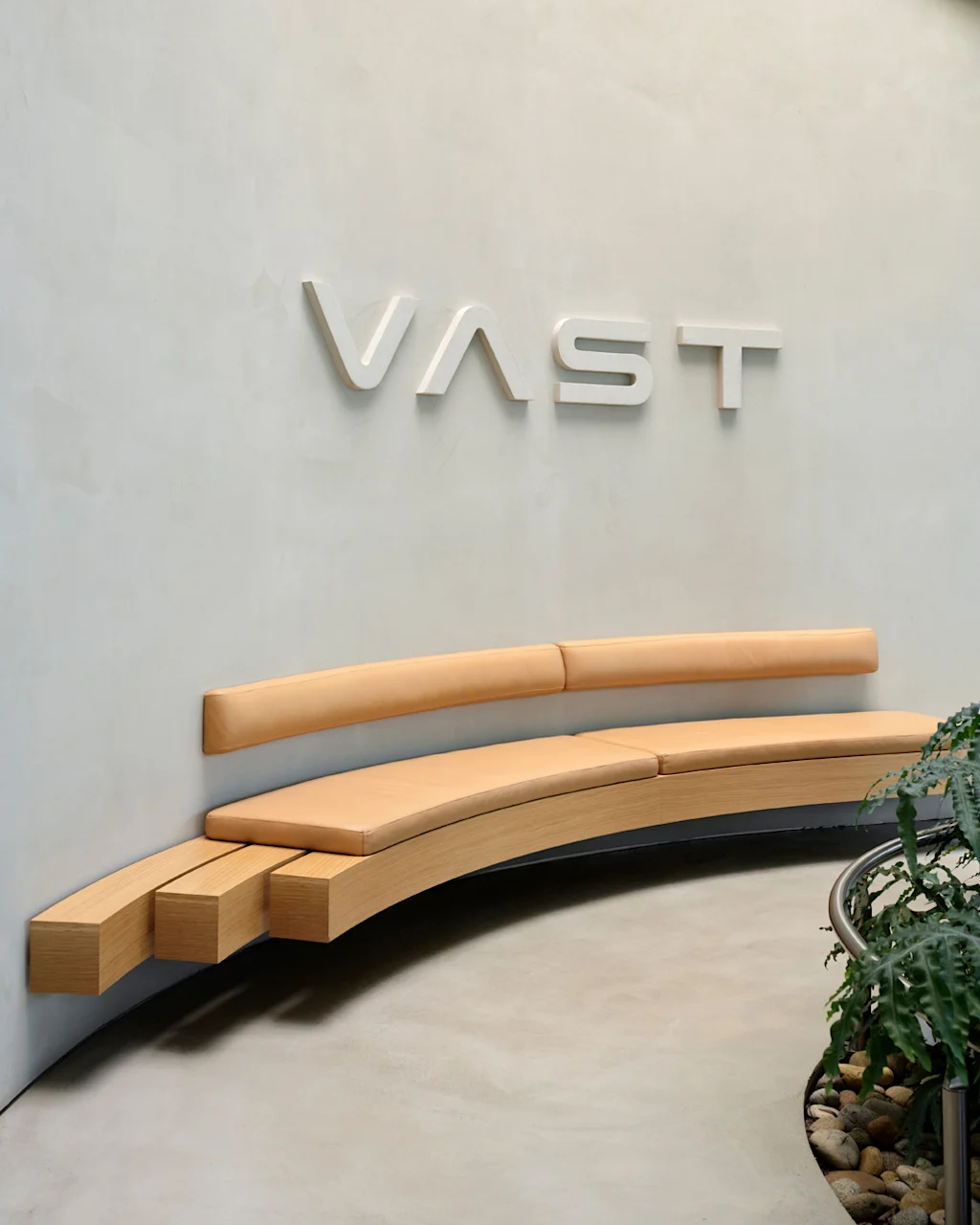
Step inside the gorgeous, futuristic offices of Vast, the startup designing the next-gen space station
A tall baobab tree greets people inside the Long Beach, California, headquarters of Vast, an aerospace company that is building the space station of the future. It’s planted beneath a…

5 ways high-performing teams stay calm when everything’s on fire
When markets swing, plans break, inboxes explode, and everyone starts saying the situation is “unprecedented” again, most teams do what humans have always done under pressure: they grip…

Confused Trump Openly Admits Plot to Rig Midterms as Polls Turn Brutal
Last week, the Supreme Court gutted protections against racial gerrymandering, and Donald Trump is already urging Republicans to seize on it. Trump unleashed a Truth Social rant on Monday…