
The best electric heaters in the UK, from traditional stove-style units to modern smart models – tested
Are you in need of a stopgap stand-in for your central heating? Or perhaps you’re looking for an efficient appliance to heat a small space. If so, investing in one of the best electric heaters can rid your home of the cold.
Electric heaters range from compact, fast-acting fan-powered models to oil-filled radiators and wall-mounted panels. Some also have smart functionality, so you can ask Alexa to turn up the heat, and other advanced features such as air purification and adaptive heating. But which are best?
I cosied up to some of the most popular models from makers including Russell Hobbs, Everhot, Dreo and Mill. Here’s my roundup of the best electric heaters, including models that are cheap to run, high-powered and capable of warming a large room, alongside smart electric devices with app-assisted functionality.
At a glance
- Best electric heater overall
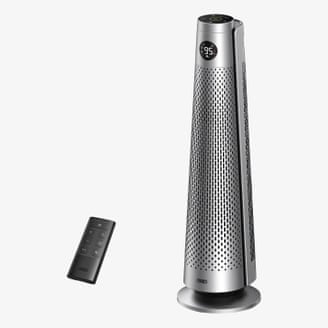
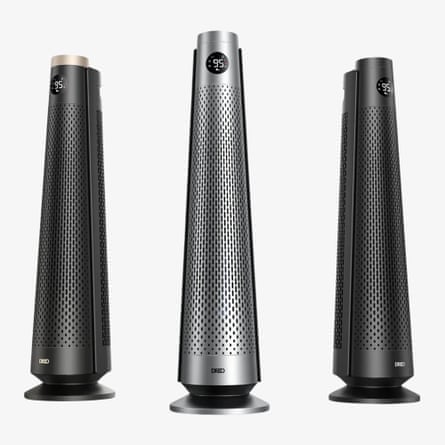
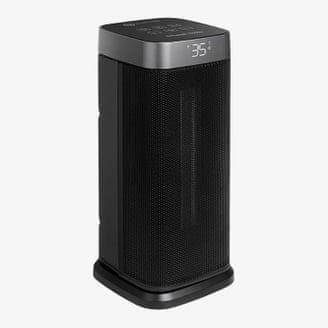
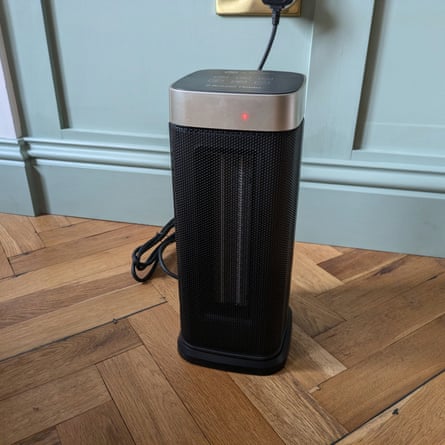
DreoPTC fan heater Solaris 718£118.99 at Amazon - Best budget electric heater
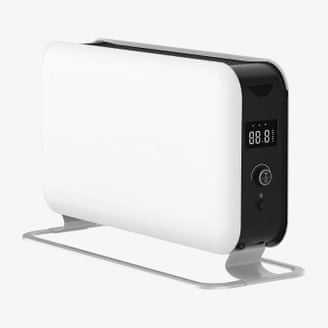
Russell HobbsOscillating ceramic 2kW heater£41.99 at Wayfair - Best stove-style electric heater
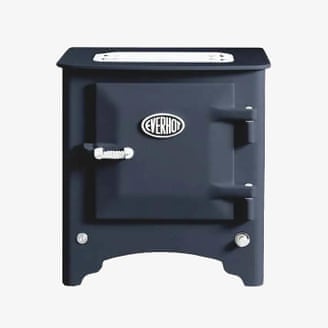
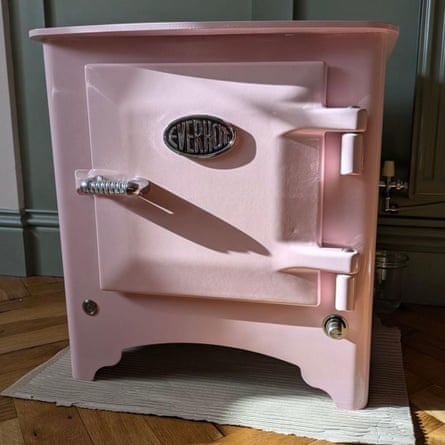
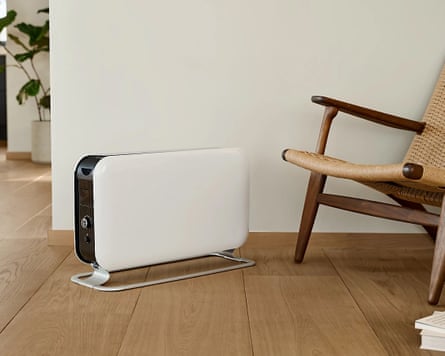
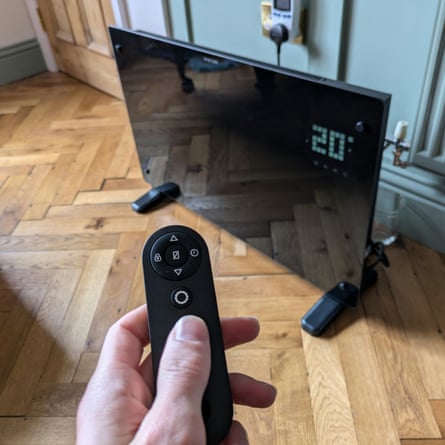
EverhotElectric heater£1,369 at Peter Tyson Electricals - Best efficient electric heater
MillWifi max portable heater 1,500W£157 at Amazon
Why you should trust me
Product reviews should be fair, useful and unflinchingly geeky – something I keep in mind when getting to grips with each new batch of items I test.
I’ve reviewed hundreds of products, ranging from fridges and fans to combi drills and pressure washers, since 2017. My favoured approach to reviews is in-depth exploration that prioritises hands-on testing and attention to detail.
How I tested
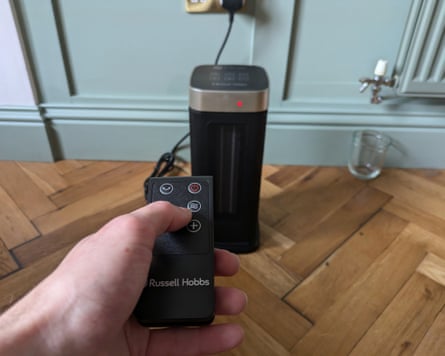
Staying warm matters, so I dug deep to test the models featured in this guide.
I set up each model in my living room and blasted them at the maximum temperature. I measured the room’s air temperature using a digital thermometer at regular intervals to see how powerfully each heater was warming the space. Bravely risking sauna-like conditions, I took each measurement from the centre of the room and kept the windows and door shut during each heater’s test.
Of course, temperature gain isn’t the only measure of an electric heater’s quality. I also assessed each model’s noise levels from the same position at regular intervals, and used an infrared thermometer after each test to judge whether the heater would be safe to touch. To gauge energy efficiency, I plugged the heaters into a power usage meter during testing.
I was keen to try each heater’s special features, so I tested extras such as timed heating and smartphone operability. I ended up testing 12 heaters, and I believe that the eight models listed below are worthy of your consideration.
Some brands did not want the heaters I tested back, so those will be donated for fundraising to Cat Action Trust 1977, a small national charity dedicated to the welfare of feral cats.
The best electric heaters in 2026
The best of the rest
What you need to know
How much should you spend on an electric heater?
Electric heaters vary wildly in price, from less than £50 to £500 and beyond. Swanky ones can cost more than £1,000.
How much you spend should depend, above all, on how much you intend to use it. For many users, an electric heater is an occasional-use item to warm you up in out-of-the-ordinary circumstances – such as when we can’t use the central heating due to home improvement work or a malfunction. If this sounds like you, then an electric heater costing under £100 should be appropriate for your needs.
However, some buyers want an electric heater to use more regularly. You may use yours to heat just one room in your home, thus avoiding the need to use central heating or install a wood-burning stove. In such cases, spending more could give you a more attractive design and advanced features, such as smart operability.
For reference, the total cost of adding a new plumbed-in radiator to an existing heating system tends to run between £200 and £600.
Are electric heaters cheap to run?
In a word, no. Electricity costs more than gas in the UK, relative to the power delivered to appliances. If an electric heater and a boiler-powered radiator had the same efficiency, it would cost more to produce the same level of heat with the electric unit.
That said, using an electric heater in one room could prove more cost-effective than turning on central heating throughout the home. If you’re willing to experiment with your heating habits to reduce your energy costs, an electric heater could be part of the cost-saving combination.
Some electric heaters cost less to run than others. In particular, models with a lower wattage, simple functionality and efficient design tend to have lower running costs.
Which is the most efficient electric heater?
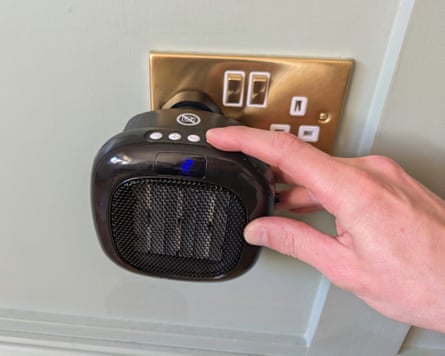
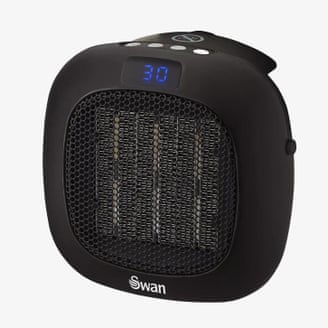
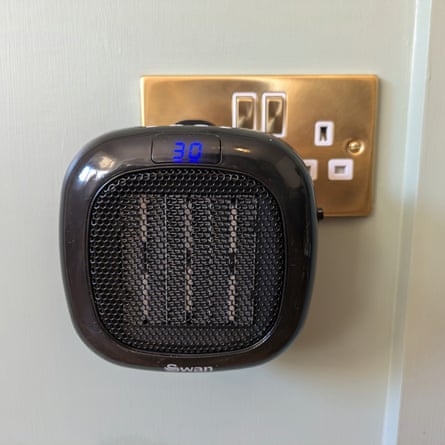
Based on our testing, the cheapest electric heater to run is the Swan 700W plug-in mini fan heater.
However, assessing an electric heater’s efficiency also requires us to consider its capability to heat a room adequately. This is tricky to define, as the heating performance needed depends on factors including the size of the space and your preferred ambient temperature.
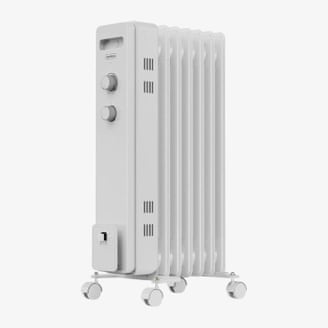
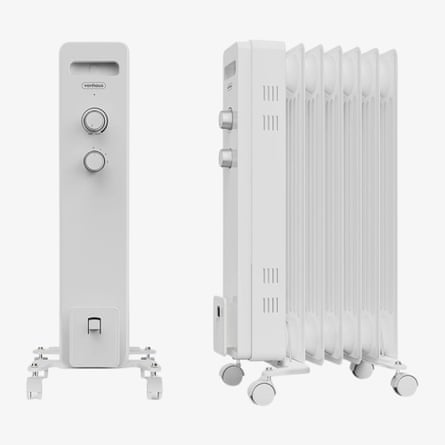
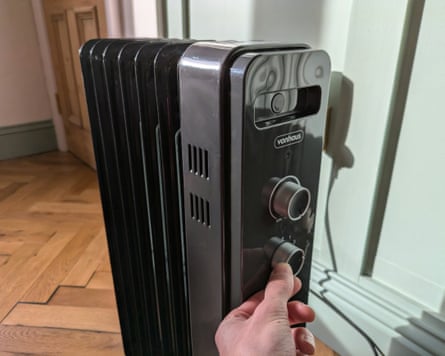
Of the models featured in this guide, I would consider the Mill wifi max portable heater 1,500W to be the most efficient electric heater for medium to large rooms, while the VonHaus small oil-filled radiator 1,500W is the most efficient electric heater for small rooms (provided you’re happy with moderate heating).
Ceramic, fan and infrared heaters: which is better?
If you’re choosing a new electric heater, there’s a good chance you’ll settle on a ceramic, fan or infrared heater. These three popular types have contrasting pros and cons.
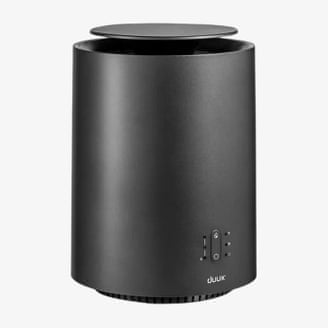
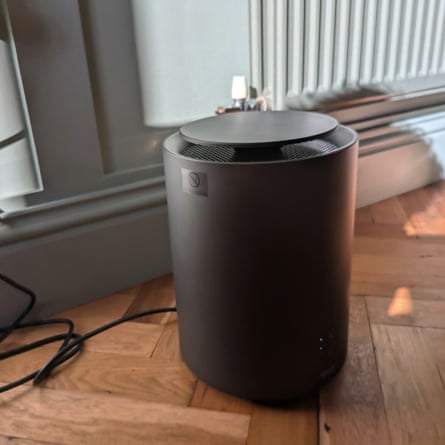
Ceramic heaters have heating elements made from – you guessed it – a ceramic material. Models of this type, such as the Duux Threesixty 2, use fans to distribute warm air quickly, while others radiate heat more gradually. Noise levels vary depending on the design.
Fan heaters take in air, heat it up rapidly and push it out into the room. They start producing heat almost instantly, and then quickly cool down after deactivation, as was the case with the Dreo PTC Solaris 718 during testing. Most fan heaters are relatively noisy, but on the plus side, they often have nice-to-have features such as oscillation and cooling modes for warmer weather.
Infrared heaters emit infrared light that warms people and objects directly, rather than heating the air first. These heaters can work efficiently when used for targeted heating.The main drawbacks are that the direct warmth disappears quickly after deactivation, and heating can be patchy.
Ultimately, ceramic, fan and infrared heaters can all do a fine job of keeping you warm. Ceramic models tend to be quieter, although fan-assisted models can be noisy. Fan models can heat up quickly, and infrared heaters provide targeted warmth.
What to do with your old electric heater
Electric heaters have a shelf life, with warranty periods often in the range of two to five years. Many models stay in good condition for longer, but when faults occur with components, such as the heating element or thermostat, it may prove more economical to replace your heater than it is to repair it.
We would urge you to explore having a broken electric heater repaired, especially if it’s under warranty. However, when buying a new model is unavoidable, there are some disposal options that will minimise the environmental impact.
The best solution in most cases is to take the electric heater to your local recycling centre (the Recycle Now website will help you find one), where it can be processed as Waste Electrical and Electronic Equipment. Alternatively, you could try listing the heater for free on local marketplace websites as a “spares or repairs” item.
For more:
The best electric blankets and heated throws
The best hot-water bottles for comfort and cosiness
The best heated clothes airers to save time and money when drying your laundry
Pete Wise is a journalist based in Leeds, with more than a decade’s experience covering everything from global development and social causes to technology and music. As a home renovator and music studio renter, Pete has spent countless hours hunkering over electric heaters, little knowing that each tweak of the thermostat was a small step towards writing this article
Originally published by theguardian.com. Syndicated material does not necessarily reflect the views of Grazia British.
More Lifestyle

When to Bring Houseplants Inside—and How to Keep Them Healthy All Winter
When nighttime temperatures dip into the 40s, it’s time to bring your tropical plants indoors.

Why is a child saying ‘Na-na, na-na-na!’ so annoying?
The long-running series in which readers answer other readers’ questions on subjects ranging from trivial flights of fancy to profound scientific and philosophical concepts
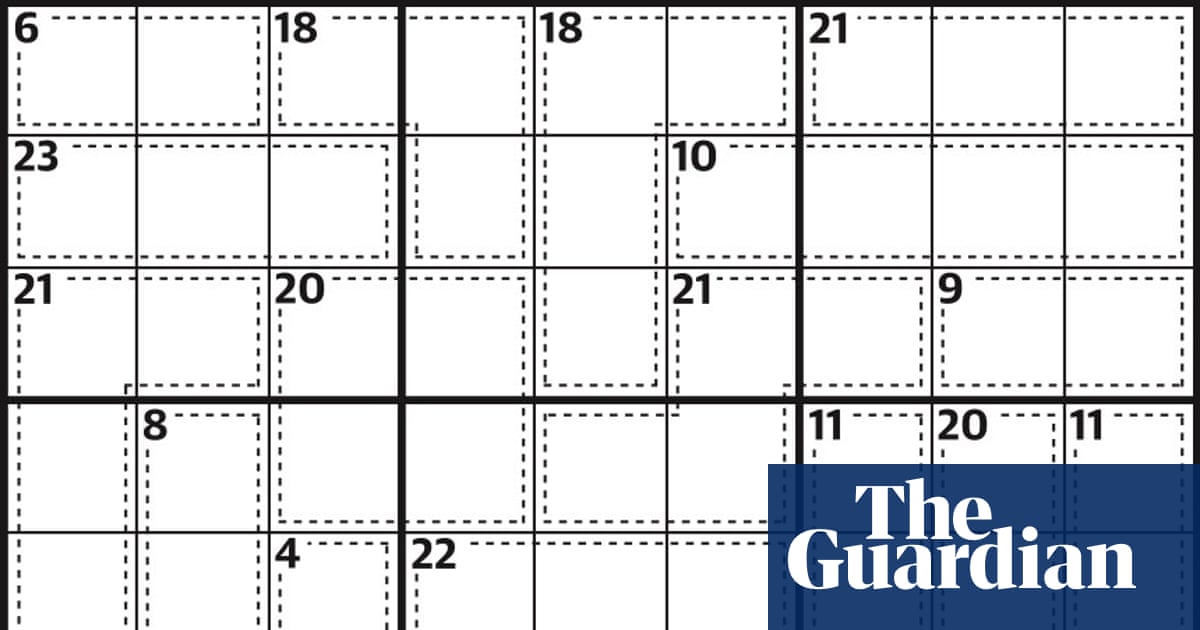
Killer sudoku 1,043
Normal sudoku rules apply, except the numbers in the cells contained within dotted lines add up to the figures in the corner

Planet of the apes: the ‘bizarre’ and tortured history of monkeys and humans
Ape Sh*t, a new zine by writer and designer Carrie McLaren, looks at the ways monkeys and apes have communicated to humans that they’re individuals too