
The Lost Boys of Task
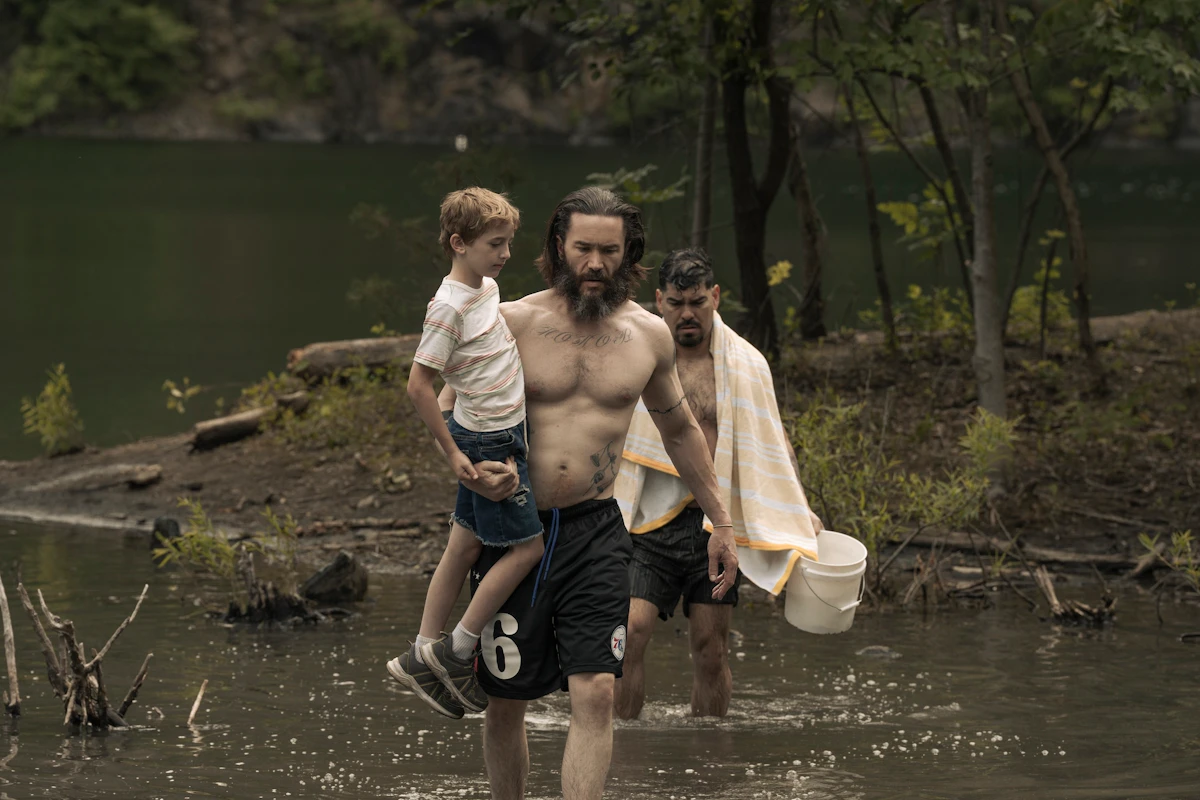
“Sorry,” Robbie squeaks out. There’s a long pause, and he finally breaks the ice: “It’s just, you know, he raised his hands at me in my house …” Maeve incredulously interrupts, “Your house?” Robbie does a very familiar thing here. His eyebrows rise, and he corrects himself, responding knowingly to what he perceives to be a bit of a hysterical overreaction from Maeve. “Uh. OK. My brother’s house,” he corrects himself. But he hasn’t quite hit it. “No,” Maeve replies, “my house. It passed down to me when my dad died, which I allowed you to move into when you lost yours.” Still in his condescending, conciliatory tone, Robbie says, “OK, let’s talk about this tomorrow.”
The conversation continues, but this cascading set of slippery assumptions tells us a lot. First, there’s Robbie’s assumption that Maeve will recognize and forgive the intrusion based on his justification that a man had “raised his hands” at him, that Maeve is intuitively respectful of this kind of dudely honor code. Second, and more importantly, Robbie assumes it’s his house simply because he lives in it. That his moving into this house constitutes a like-for-like replacement of Maeve’s father and a tacit inheritance of all parental authority and personal property. But Robbie is neither the inheritor of the house in law nor in deed. He not only refuses to contribute to the upkeep of this home or the raising of the children—his—inside of it, but he teases and mocks Maeve for her awkwardness in performing all these tasks herself. When he abducts Sam at the end of this episode, the child becomes a liability to Robbie, but he becomes a daycare problem for Maeve. He’s tender in the moments he spends with his kids, tragically so, but he’s barely a father to them, let alone the kind of father figure he pretends to be in this argument with Maeve. Robbie’s claim on this house is entirely imaginary.
Later in the argument, after Maeve lambastes him for his absentee parenting, for the disproportionate load of domestic and emotional labor he’s foisted on her, and for his life of petty crime, Robbie tries on the role of the breadwinner. “I’m doing it for this family so we can stay in this house,” he says, “You know what? You wanna go so bad? Fine. We’ll be fine without you. We’ll certainly fucking eat better.” Maeve throws a drink in his face. “It’s not your house, asshole,” she replies. And Robbie returns, immediately, with, “It’s not yours either. It’s my brother’s. My brother’s. I can handle things here on my own.” Again, here’s this man, soft underbelly intact, full of the righteousness of noble vengeance, espousing an essentially fantastical view of his own living situation, his own relationship with the only vestige of his brother that remains. Robbie is not living in the same reality as Maeve, which is one way of describing his trauma response, or a way of describing his romantic ideal of manhood.
Originally published by newrepublic.com. Syndicated material does not necessarily reflect the views of Grazia British.
More Culture

Don’t Pull Out of Germany
Merz’s stupidity is no excuse for a stupid response. Source link

Step inside the gorgeous, futuristic offices of Vast, the startup designing the next-gen space station
A tall baobab tree greets people inside the Long Beach, California, headquarters of Vast, an aerospace company that is building the space station of the future. It’s planted beneath a…

5 ways high-performing teams stay calm when everything’s on fire
When markets swing, plans break, inboxes explode, and everyone starts saying the situation is “unprecedented” again, most teams do what humans have always done under pressure: they grip…

Confused Trump Openly Admits Plot to Rig Midterms as Polls Turn Brutal
Last week, the Supreme Court gutted protections against racial gerrymandering, and Donald Trump is already urging Republicans to seize on it. Trump unleashed a Truth Social rant on Monday…