
The Meat Advertising Case That Should Be Talked About at COP30
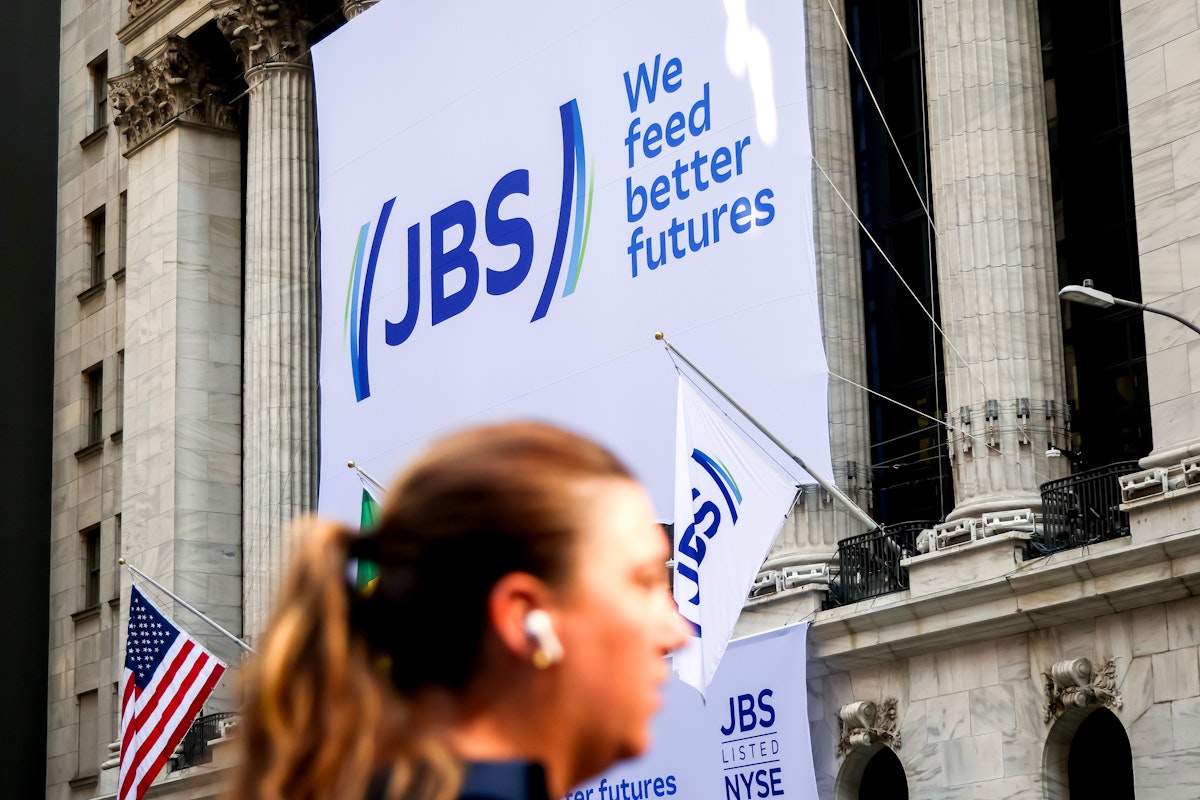
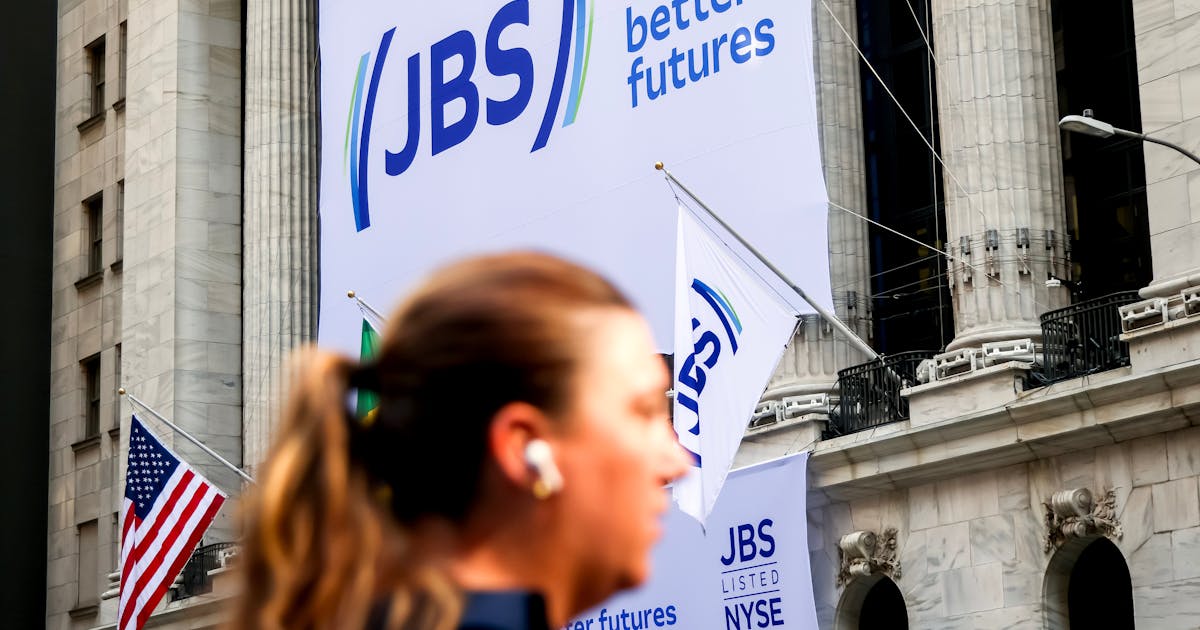
As agriculture is increasingly recognized as a major contributor to climate change, agricultural companies have increasingly tried to portray themselves as environmentally friendly. When JBS’s ads first ran, NYU food studies professor Marion Nestle wrote on her blog, “This looks like classic greenwashing”—a term for when companies try to persuade consumers that they are more environmentally friendly than they actually are. Nestle was right to be dubious. JBS’s main product is meat, and particularly beef. Livestock production makes up over half of all food systems emissions and somewhere around 15 percent of all global emissions, with most of that coming from crop production for animal feed and methane emissions from ruminants like cows. In 2021, JBS reported over 71 million tons of carbon dioxide equivalent emissions, a number that had been rising rapidly over the previous half-decade as the company expanded its operations.
It was unclear how these emissions could be zeroed out or even meaningfully reduced. This was the conclusion of the Institute for Agriculture and Trade Policy, or IATP, a food policy think tank that looked into JBS’s claims and found “loopholes, accounting tricks and sleight of hand.” At the heart of these were so-called Scope 1, 2, and 3 emissions, the three categories into which businesses’ emissions are classified. Scope 1 are direct emissions from the company’s facilities. Scope 2 are emissions from the electricity the company buys. Scope 3 consists of all other emissions, including all emissions throughout the value chains for the commodities the company sells.
JBS seemed to be relying on the fact that, as a meat processor, it has relatively limited Scope 1 and 2 emissions; most of its emissions come from land used for pasture, growing crops for animal feed, and the animals themselves, in the form of direct methane emissions and manure. The Food and Agriculture Organization of the United Nations, or FAO, estimates that for livestock companies like JBS, upward of 90 percent of emissions can be Scope 3. But JBS was ignoring Scope 3 almost entirely. In 2020, it had claimed that it wasn’t tracking “enteric and manure emissions from our live animal operation,” or the vast majority of its emissions. This also meant that its self-reported emissions numbers for 2021 were at best estimates. To make matters worse, the company did not seem to have a clear plan to reduce or offset emissions of any scope.
Originally published by newrepublic.com. Syndicated material does not necessarily reflect the views of Grazia British.
More Culture

Don’t Pull Out of Germany
Merz’s stupidity is no excuse for a stupid response. Source link

Step inside the gorgeous, futuristic offices of Vast, the startup designing the next-gen space station
A tall baobab tree greets people inside the Long Beach, California, headquarters of Vast, an aerospace company that is building the space station of the future. It’s planted beneath a…

5 ways high-performing teams stay calm when everything’s on fire
When markets swing, plans break, inboxes explode, and everyone starts saying the situation is “unprecedented” again, most teams do what humans have always done under pressure: they grip…

Confused Trump Openly Admits Plot to Rig Midterms as Polls Turn Brutal
Last week, the Supreme Court gutted protections against racial gerrymandering, and Donald Trump is already urging Republicans to seize on it. Trump unleashed a Truth Social rant on Monday…