

The Rare Earth Metal Driving Tensions Between the US and China
The alarm hasn't yet reached the general public, but tension is beginning to build in the corridors of the aerospace industry, in microchip laboratories, and in government offices. For months, an element almost invisible to the world—yttrium—has become the silent center of a new global dispute. Supplies are thinning, prices are skyrocketing, deliveries are stalling. And while China and the United States have promised a truce over rare earth minerals, the wheels of advanced technology are beginning to slow.
Although a late-October meeting in South Korea between Chinese president Xi Jinping and his US counterpart Donald Trump raised hopes for a détente, the Chinese export restrictions introduced last April remain substantially in place. Beijing granted a one-year reprieve on the mandatory government licensing system for shipments of rare earths and products containing related materials (including those made abroad with at least 0.1 percent Chinese resources), in exchange for a similar suspension of the White House's latest restrictions on technology supply chains.
A Crucial Element in a Market Under Pressure
But other measures introduced before the latest escalation remain in place. The result is a tightening of the international supply chain that threatens to slow advanced technological production, raise costs, and challenge entire industrial sectors. Yttrium plays a crucial role in the functioning of contemporary technologies. Without yttrium, the production of aircraft engines, high-efficiency turbines, advanced energy systems, and semiconductors would immediately slow down.
Yttrium's value lies in its ability to impart thermal and mechanical strength to materials subjected to extreme temperatures. Jet engines blades, for example, must withstand prolonged overheating and intense vibration; yttrium is what allows them to maintain structural integrity and efficiency. The same is true for industrial chip manufacturing, where yttrium-based coatings protect machinery from chemical wear and ensure precision in plasma etching. Its indispensable nature has made it a key element of modern technology and the military.
China's Role
The problem is that, as with several other resources, China controls almost the entire global yttrium supply chain. Not only does it produce most of it, but it also has the know-how and infrastructure to refine and separate it from other rare earth minerals, a complex and technologically advanced process. According to US data, the United States imports 100 percent of its yttrium needs, 93 percent of which comes directly from China. Such stark dependence creates enormous geopolitical vulnerability.
When Beijing decided to introduce export restrictions as a response to US tariffs, the entire international supply structure began to falter. Companies reported delays, difficulties in obtaining licenses, and uncertainty about delivery times. In the rare earths trade, lack of predictability is often more damaging than reduced volumes: An industry accustomed to just-in-time deliveries can be thrown into crisis by even a few weeks of delay.
The effects were immediate. In Europe, yttrium oxide prices have soared, reaching a 4,400 percent increase since the beginning of the year. Aerospace companies, which rely heavily on this material, have expressed alarm and demanded urgent measures from the US government to expand domestic production. The semiconductor industry is no less concerned: Some companies have called the situation a “serious” threat, predicting impacts on costs, efficiency, and production timelines. Gas-fired power plants, which use yttrium in the protective coatings of turbines, are also monitoring Chinese developments with increasing attention, although they maintain that they have not yet experienced disruptions.
Originally published by wired.com. Syndicated material does not necessarily reflect the views of Grazia British.
More Culture

Don’t Pull Out of Germany
Merz’s stupidity is no excuse for a stupid response. Source link
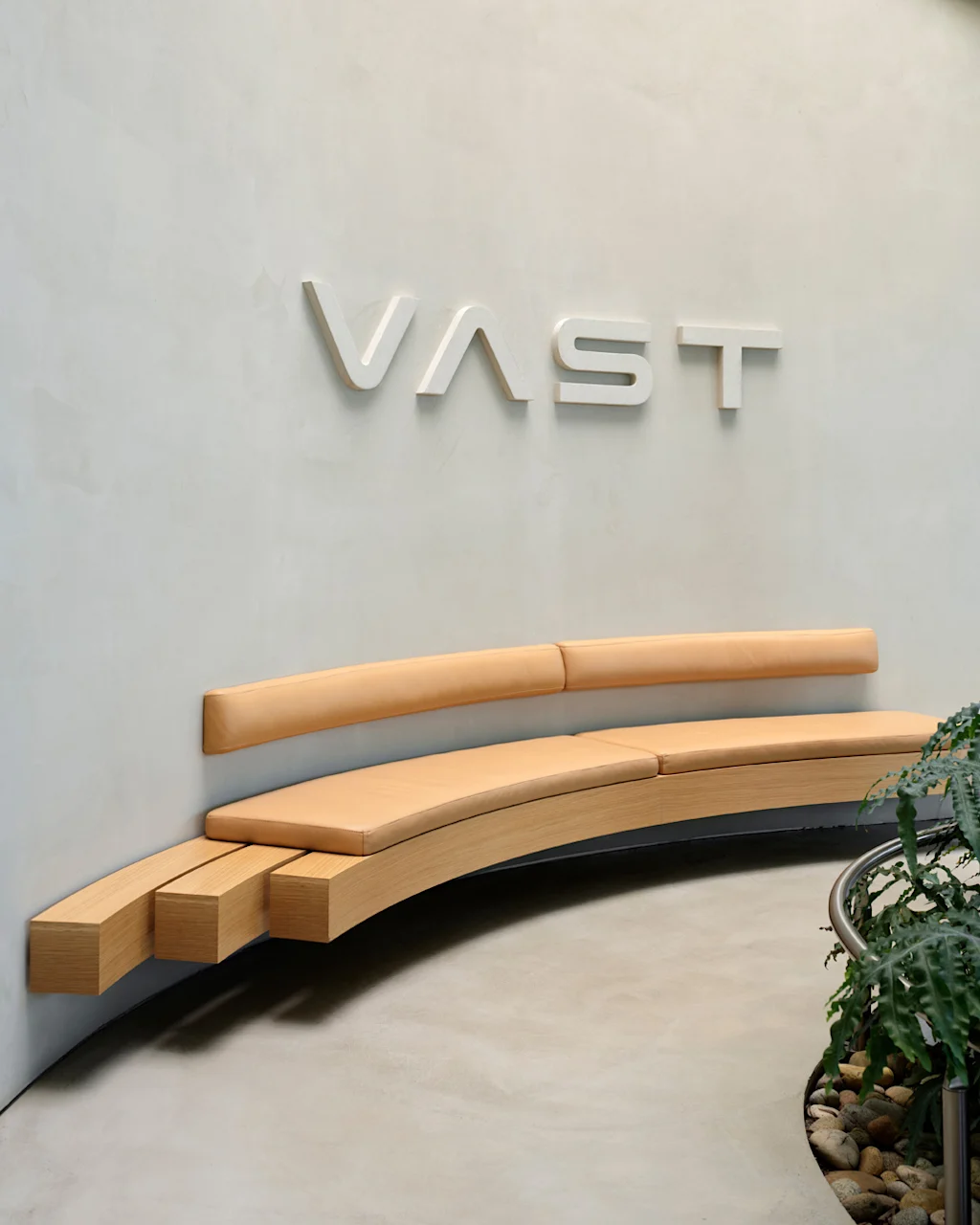
Step inside the gorgeous, futuristic offices of Vast, the startup designing the next-gen space station
A tall baobab tree greets people inside the Long Beach, California, headquarters of Vast, an aerospace company that is building the space station of the future. It’s planted beneath a…

5 ways high-performing teams stay calm when everything’s on fire
When markets swing, plans break, inboxes explode, and everyone starts saying the situation is “unprecedented” again, most teams do what humans have always done under pressure: they grip…

Confused Trump Openly Admits Plot to Rig Midterms as Polls Turn Brutal
Last week, the Supreme Court gutted protections against racial gerrymandering, and Donald Trump is already urging Republicans to seize on it. Trump unleashed a Truth Social rant on Monday…