
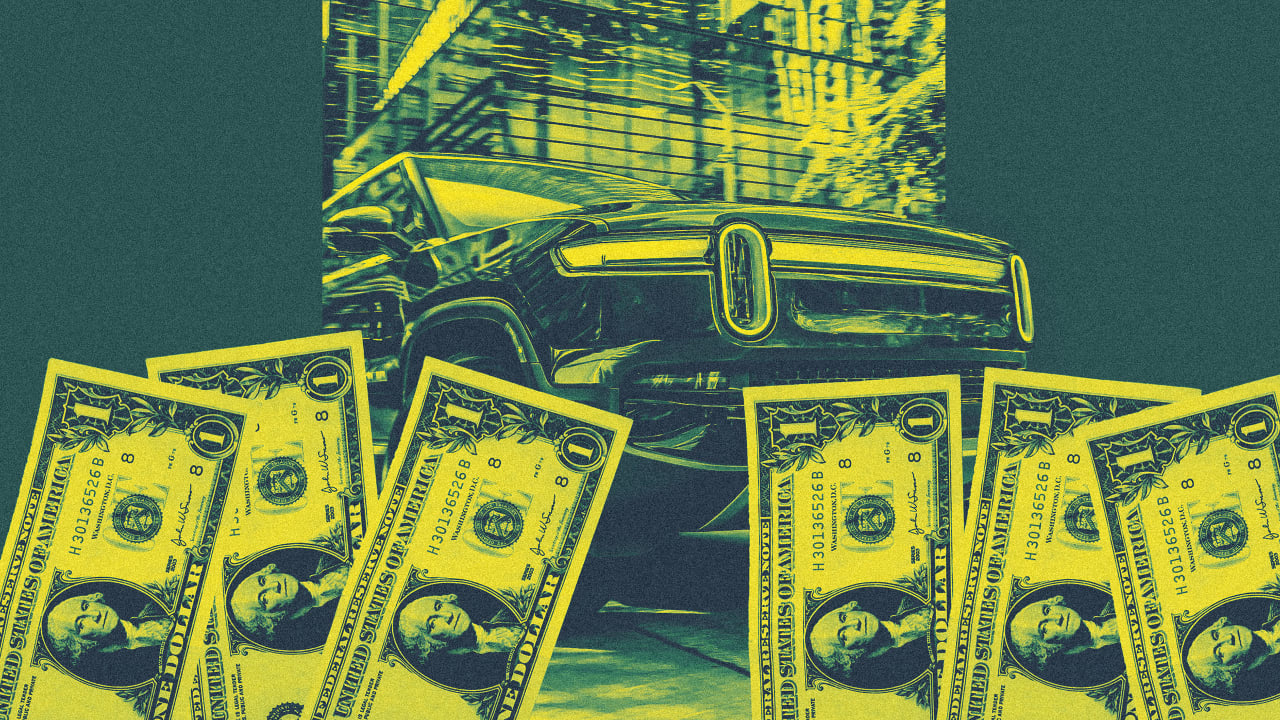
Thinking of buying an EV? Your tax credit window is closing
Buying or leasing an electric vehicle (EV) will no longer come with a federal tax credit.
On Thursday, Congress approved legislation, which Trump has called the “big, beautiful bill.” The bill will give tax breaks to corporations and cut spending on Medicaid by $1.2 trillion. After Trump signs it into law on the 4th of July, it also will end tax credits on buying or leasing EVs, effective Sept. 30.
Since 2008, purchasing an electric vehicle has come with an incentive: a $7,500 federal tax credit for new vehicles. The incentive was expanded in 2022 to include up to $4,000 on used EVs.
While EVs cost an average of $9,000 more than a gas-powered vehicle, not paying for gas means you’ll eventually make up the cost. Plus, the environmental impacts are well-known. However, despite the benefits of EVs, the incentive, which helped boost American sales, will soon be a thing of the past.
While the bill does away with the tax incentive, it also eliminates penalties for failing to meet Corporate Average Fuel Economy shortfalls, making it easier for automakers to build gas-powered vehicles.
On Thursday, the Electrification Coalition, an EV advocacy group, said the bill will have negative impacts on the American EV market, giving other markets like China a competitive advantage. In a July 3 statement, it warned, that “as EVs secure a growing share of the global automotive market, it is obvious that the future of transportation is electric; this bill forfeits America’s role in that future to China.” And as other markets lean into the EV market, the U.S. is already lagging behind.
Electrification Coalition Vice President of Policy Anne Blair echoed the same sentiment, saying, “Without a competitive U.S. EV industry, we will remain dependent on volatile oil markets to power our vehicles and reliant on China for the critical minerals used in most advanced technologies. We are incredibly disappointed that Congress has made a choice to entrench these vulnerabilities.” Experts are predicting escalated sales leading up to the Sept. 30 deadline. Dan Levy, Barclays’ auto analyst, wrote in a research note, that without the incentive sales will take a steep downturn. “We believe the bill reiterates the slowdown ahead for EV penetration in the US, with both the ‘carrot’ (i.e. tax credits/incentives) and the ‘stick’ (i.e. emissions regulations) softened,” Levy said, per Reuters.
One study from Harvard University projected that ending the incentive will save the U.S. government $129 billion in the next 10 years. However, it will reduce EV market penetration by 6% over the next five years. That downturn could have big environmental impacts like dirtier air and greater greenhouse gas emissions.
Originally published by fastcompany.com. Syndicated material does not necessarily reflect the views of Grazia British.
More Culture

Don’t Pull Out of Germany
Merz’s stupidity is no excuse for a stupid response. Source link

Step inside the gorgeous, futuristic offices of Vast, the startup designing the next-gen space station
A tall baobab tree greets people inside the Long Beach, California, headquarters of Vast, an aerospace company that is building the space station of the future. It’s planted beneath a…

5 ways high-performing teams stay calm when everything’s on fire
When markets swing, plans break, inboxes explode, and everyone starts saying the situation is “unprecedented” again, most teams do what humans have always done under pressure: they grip…

Confused Trump Openly Admits Plot to Rig Midterms as Polls Turn Brutal
Last week, the Supreme Court gutted protections against racial gerrymandering, and Donald Trump is already urging Republicans to seize on it. Trump unleashed a Truth Social rant on Monday…