
This 53-Year-Old Psychological Horror Movie Is a Must-See Genre Shift From Robert Altman
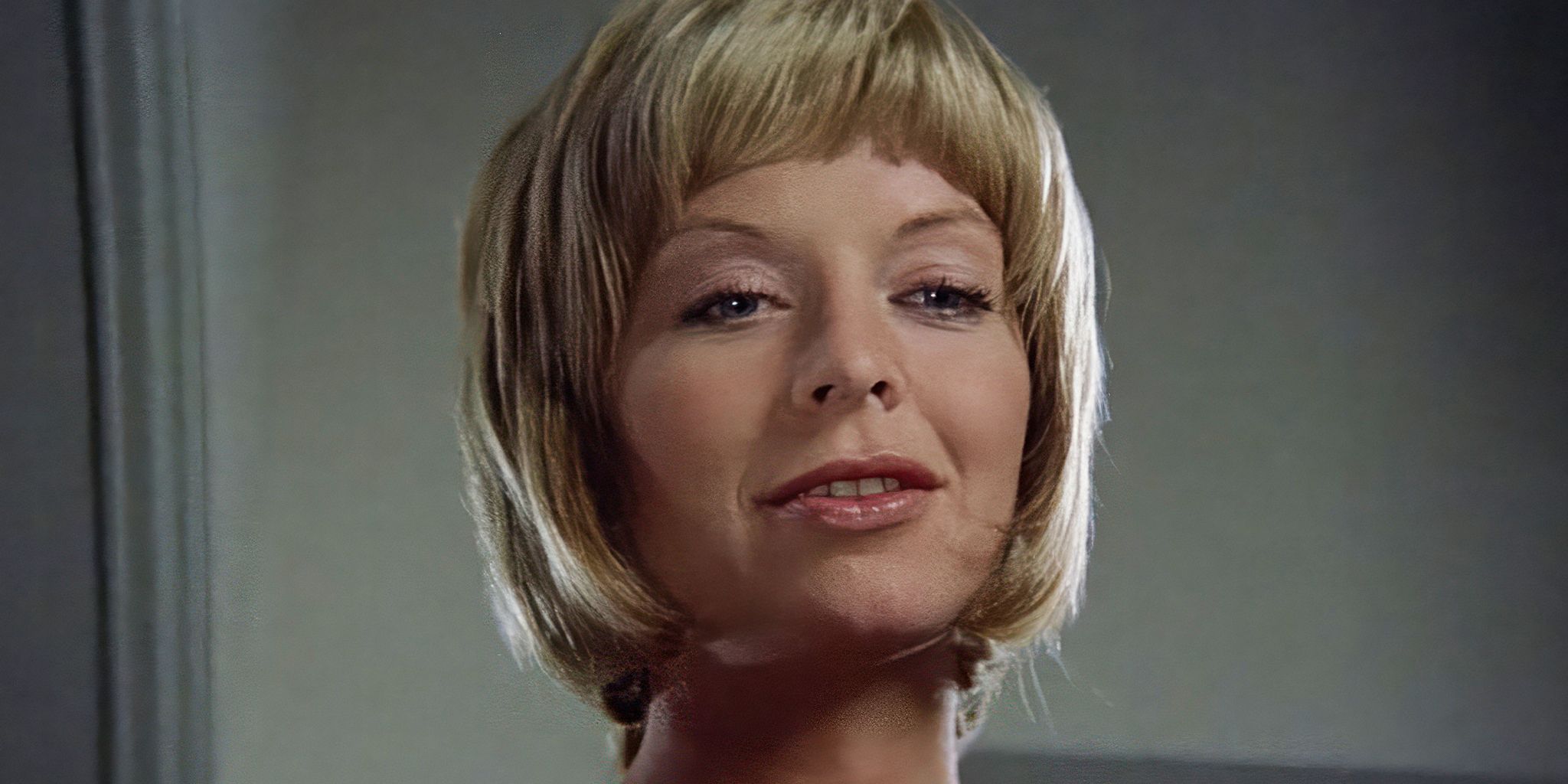
Robert Altman has never been a director who confined himself to just one particular genre, as his body of work includes neo-noir movies, war films, revisionist westerns, and various dramas. One genre Altman is definitely not known for, though, is horror. Yet, in his long career, he made one — a 1972 psychological horror, Images, which has remained his only work in this area. On the surface, Images might seem like a total divorce from Altman's usual zone of interest: there is no trademark humor in it, dark or otherwise; it's not an ensemble film, but instead a very intimate, chamber story about a woman who seems to be gradually losing her mind. However, Altman actually manages to stay true to himself, even working with an unfamiliar genre, as Images digs deep into one of his all-time favorite topics — the exploration of the complexities of human behavior, which, in his films, is usually filled with disturbing undertones and often inexplicable actions.
What is 'Images' About?
Cathryn (Susannah York) is a children's book author who has been experiencing disturbing occurrences lately — from someone calling her and claiming that her husband is with another woman, to that said husband, Hugh (Rene Auberjonois), suddenly turning into another man and then reverting to himself again. Encouraged by Hugh, who believes his wife is just under a lot of stress due to her work and pregnancy, the couple go on vacation in Ireland, to a remote cottage in the middle of picturesque nowhere. Despite Hugh's assurances, fresh air doesn't seem to lessen Cathryn's anxiety, especially when one of her previous lovers, Marcel (Hugh Millais), starts visiting with his teenage daughter, Susannah (Cathryn Harrison). Cathryn is not convinced that all of those visits take place in reality, since her other ex-lover, Rene (Marcel Bozzuffi), who is actually dead, keeps coming back too. As does Cathryn's doppelgänger.
Related
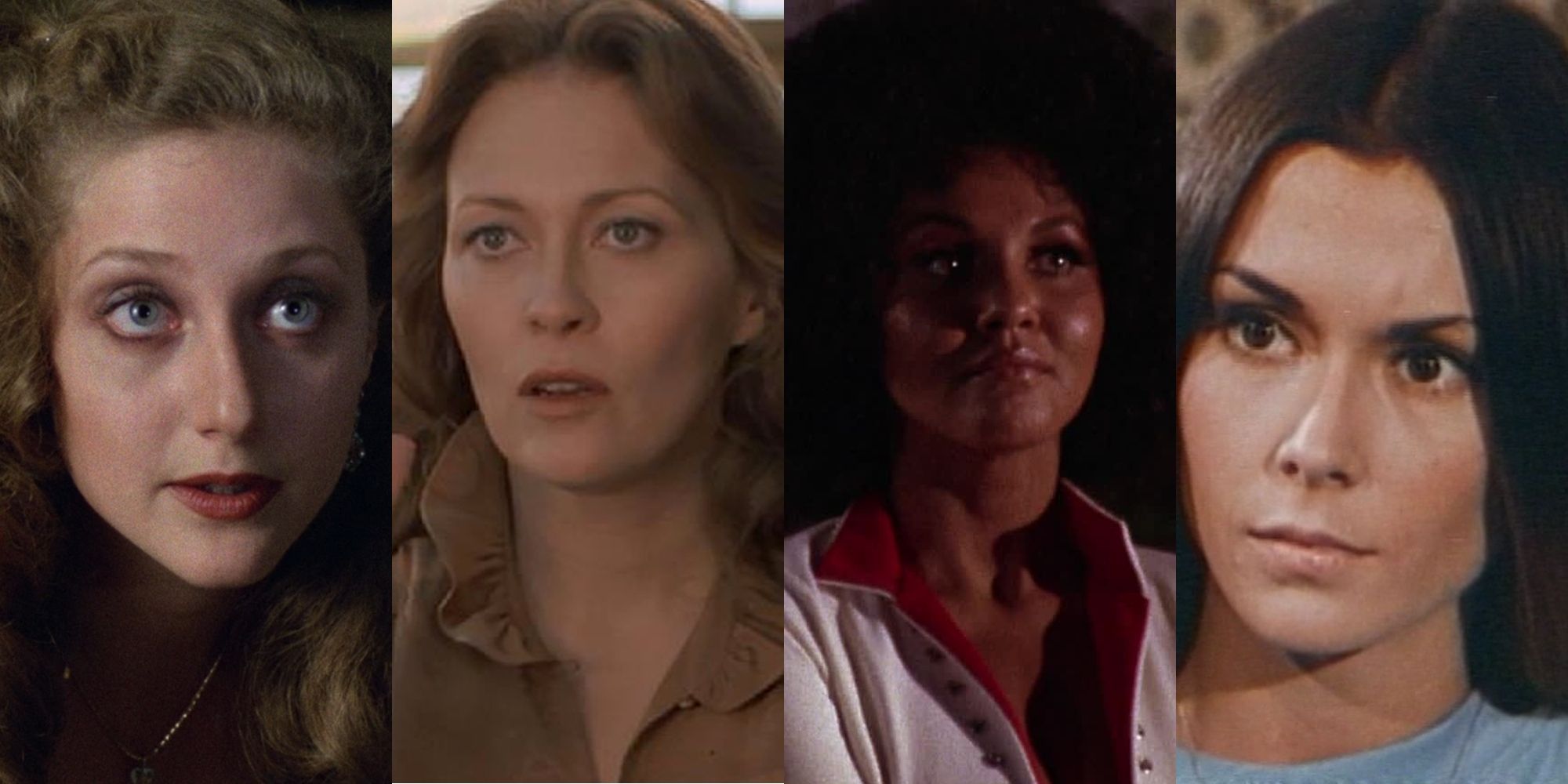
10 Underrated Horror Movies of the 1970s (and Where to Stream Them)
Unleash the hidden gems!
The narrative of Images is sparse and intentionally confusing, for which it was largely criticized after the film was released. Altman's original way of working on the screenplay undoubtedly contributed to this effect. According to the main cast, which, unlike the director's other famous films, only consisted of seven people, Altman only had an outline of the story and the scenes in it, which he later collaborated with the actors on to further develop it. The result might come off as a series of episodes randomly strung together, which fits the narrative reminiscent of a fever dream about a woman lost between the lovers of the past and present and harassed by a doppelgänger — or a fit of her imagination. Altman himself was content with the audience not being able to decipher reality and fantasy in the film, and claimed that the events presented in it are supposed to be open to interpretation, based on the viewers' experiences.
The Protagonist of This Psychological Horror Can't Tell What's Real or Not — And Neither Can We
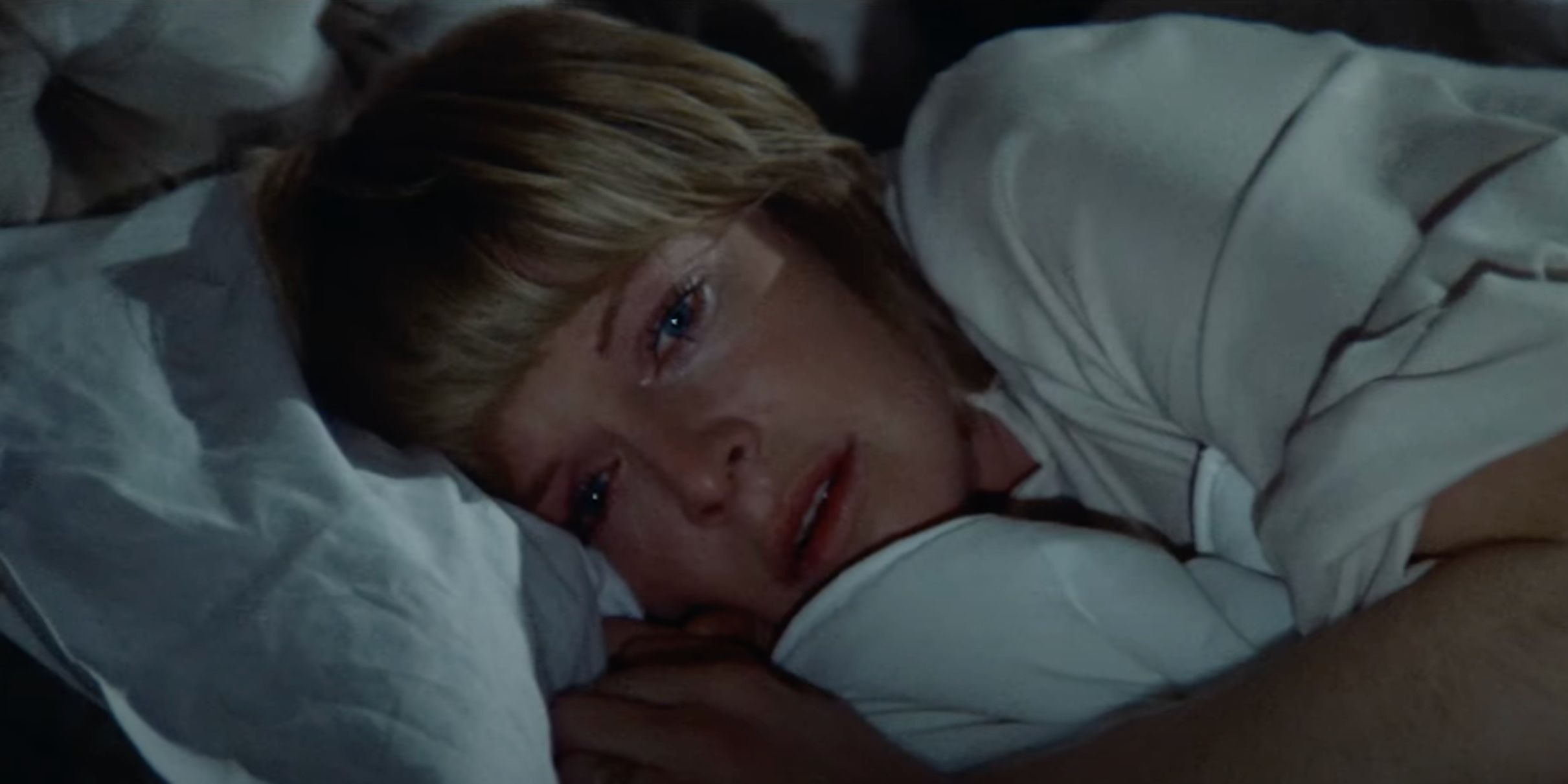
Images enjoyed a premiere at the Cannes Film Festival, where Susannah York, who would go on to star in another cult horror, The Shout, a few years later, got an award for Best Actress, cementing her performance as one of the major aesthetic tools in the film. As we stay with Cathryn's perspective throughout the whole movie, witnessing the familiar reality around her deteriorating before our eyes, the themes of obsession and possible mental health issues (one of the hallucinations directly accuses Cathryn of having those) arise. This suggests parallels with other Altman's psychological works of the time — a very disturbing That Cold Day in the Park (1969) and 3 Women, which would come out in 1977. The film has also gotten a lot of comparisons to Roman Polanski's Repulsion (1965) and especially to one of Ingmar Bergman's best films, Persona (1966), and for good reason.
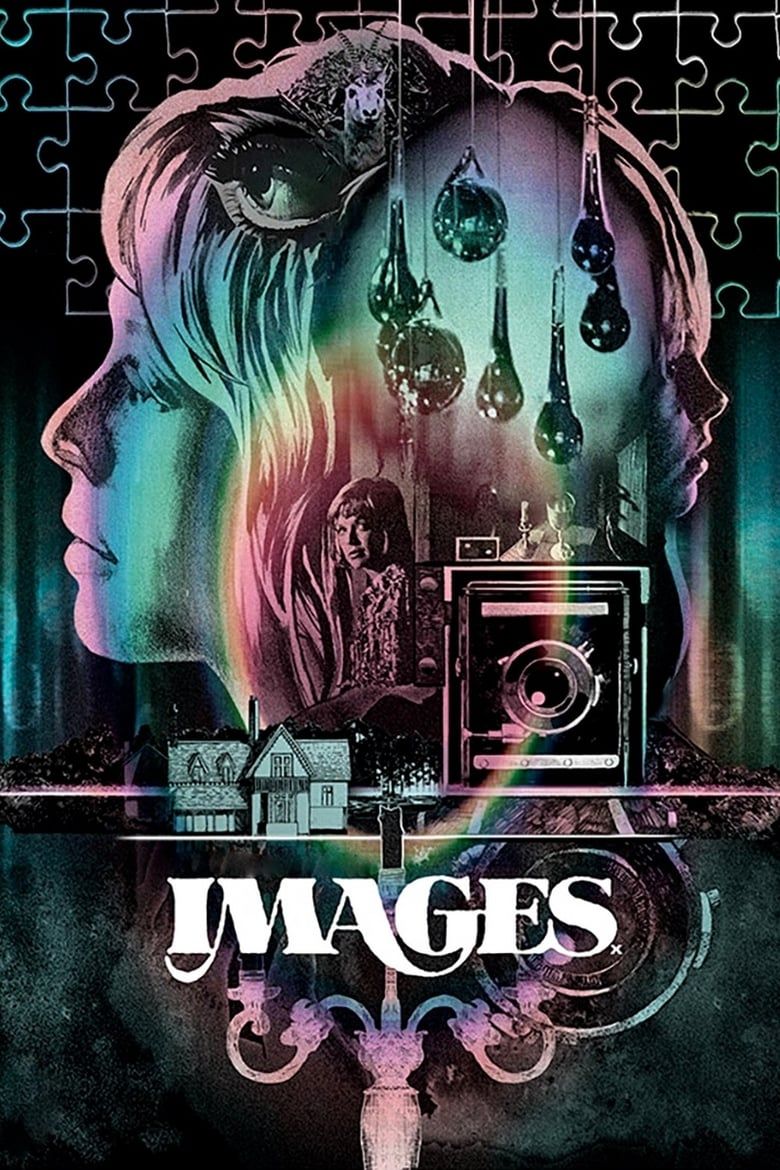
Images is full of duplicates, double meanings, reflections, and allusions. Some of them intentional, and some created later by life: like the fact that a unicorn, which appears both in Cathryn's fiction (the book she is working on, which York wrote in real life, is called In Search of Unicorns) and in the film's imagery, will become the most famous image of the later work in Cathryn Harrison's filmography— an iconic surrealist horror, Black Moon. There is an image of a puzzle that runs throughout the film, which Cathryn tellingly never finishes assembling. The names of the characters are part of the puzzle too, as each of them shares the name with one of the actors: Cathryn is played by Susannah, while Susannah is played by Cathryn, etc. Everyone is someone else's doppelgänger, a reflection of the other's persona. And the reality they exist in is also fragile, seemingly on the verge of shattering, emphasized by the double impact of John Williams' eerie score and the additional soundwork done by the cult multi-instrumentalist Stomu Yamash'ta, whose use of crystal chimes creates a lingering, haunting effect.
But while Images does touch on topics similar to the ones in Persona, there is another possible interpretation that allows comparisons to another great Ingmar Bergman work of the '60s — a psychological horror of his own, Hour of the Wolf(1968). Since the heroine of Images is a writer, an artist, like the protagonist of Bergman's above-mentioned film, it's easy to see Altman's movie as a parable of the throes of the creative process. The doppelgänger, the supposed hallucinations, and the constant maneuvering between reality and fantasy, come off differently when viewed through these lenses: not as just abstract supernatural manifestations, but the representation of very real struggles relatable to anyone who has ever tried any form of creative expression. Battling her personal demons and simultaneously being seduced by them, Cathryn plays around with the narrative, trying to find the one that fits, and unexpectedly discovers herself in a new genre — kind of like Altman in this particular case.
Release Date
December 18, 1972
Runtime
101 minutes
Writers
Robert Altman
Producers
Tommy Thompson
Originally published by collider.com. Syndicated material does not necessarily reflect the views of Grazia British.
More Lifestyle

Millennium Docs Against Gravity Festival Director on How Documentary Film Helps Audiences Find ‘Sense Amid the Chaos’ of Current Events
Poland’s Millennium Docs Against Gravity, the documentary film festival that takes place simultaneously across seven Polish cities, returns for its 23rd edition from May 7 – 17 with a…

Mubi Acquires Na Hong-Jin’s Korean Thriller ‘Hope,’ Starring Michael Fassbender, Alicia Vikander and Hoyeon, For Multiple Territories Ahead of Cannes Premiere
Mubi is once again flexing it financial muscle ahead of Cannes, picking up one of the buzziest films heading to this year’s festival. The arthouse distributor and production company has…

MetFilm Sales Acquires Mongolian Documentary ‘Colors of White Rock’ Ahead of World Premiere at Tribeca (EXCLUSIVE)
London-based MetFilm Sales has acquired Mongolian filmmaker Khoroldorj Choijoovanchig’s debut feature documentary “Colors of White Rock” for worldwide sales representation. The film will…

Brit Detective Drama ‘Bergerac’ Bought for U.S. by PBS Distribution (EXCLUSIVE)
British detective drama “Bergerac” is heading to the U.S. with PBS Distribution following a deal with Banijay Rights. The acquisition comes ahead of next week’s London TV Screenings, with…