

Those workplace communication tools you hate might actually be good for you
Many things irk people about the way modern companies operate. Workplace communication tools and so-called enterprise social media platforms are among the low-stakes but high-impact bugbears. Reading through the latest dull update from that guy in accounts who continually spams the work comms platform, or worrying about when and how to engage with a problematic post can cause plenty of stress.
Having to keep up with colleagues on a workplace communication platform annoys many. But new research suggests the much-maligned tools might actually serve a purpose—and can benefit workers and the businesses they work for.
Princeton University professor Manoel Horta Ribeiro led a study (together with two Microsoft researchers) that looked at how people use Microsoft’s Viva Engage—the service formerly known as Yammer. The team analyzed 99 companies’ in-staff interactions before and after they adopted Viva Engage.
The study found that using such tools increased the level of connectivity among staff by adding new ways to communicate, rather than shifting the existing ones online. It helped strengthen ties among workers, helped improve knowledge sharing and innovation within an organization, and was found to be more effective than email to allow people at different levels on the hierarchy of a business to communicate with one another.
That idea of bridging the gap between different staff levels was one of the key benefits of such tools, according to Ribeiro, who notes that the use of workplace communication and corporate social media tools like those studied highlight how low-level staffers are often the linchpins who keep a business running.
“We find that in corporate social media settings, low-level employees are actually more central in the network, meaning they are better positioned to spread communication throughout the company,” Ribeiro says.
Still, despite the benefits and boons encountered in the research, the perception remains that these tools can be the bane of people’s working lives, rather than a means of improving them.
So why do people hate platforms like Viva Engage? It’s not necessarily an issue with the tools themselves, but with the way people act on them.
“The thing that people hate about these platforms isn’t exclusive to enterprise social media. It’s the same thing that’s happening with LinkedIn or mainstream social platforms,” Ribeiro says. “People are gaming the system to become content creators rather than making meaningful connections.”
Originally published by fastcompany.com. Syndicated material does not necessarily reflect the views of Grazia British.
More Culture

Don’t Pull Out of Germany
Merz’s stupidity is no excuse for a stupid response. Source link
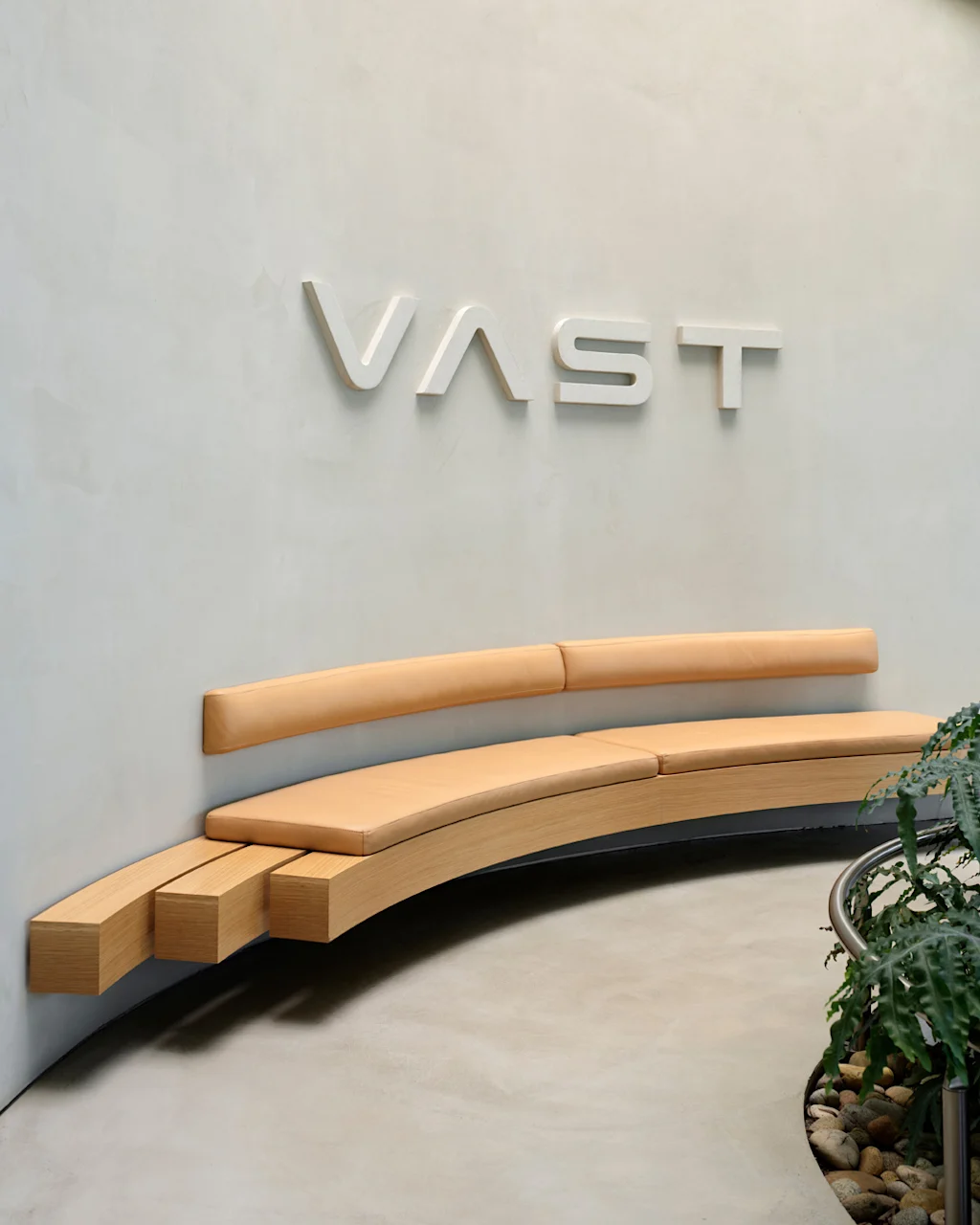
Step inside the gorgeous, futuristic offices of Vast, the startup designing the next-gen space station
A tall baobab tree greets people inside the Long Beach, California, headquarters of Vast, an aerospace company that is building the space station of the future. It’s planted beneath a…

5 ways high-performing teams stay calm when everything’s on fire
When markets swing, plans break, inboxes explode, and everyone starts saying the situation is “unprecedented” again, most teams do what humans have always done under pressure: they grip…

Confused Trump Openly Admits Plot to Rig Midterms as Polls Turn Brutal
Last week, the Supreme Court gutted protections against racial gerrymandering, and Donald Trump is already urging Republicans to seize on it. Trump unleashed a Truth Social rant on Monday…