
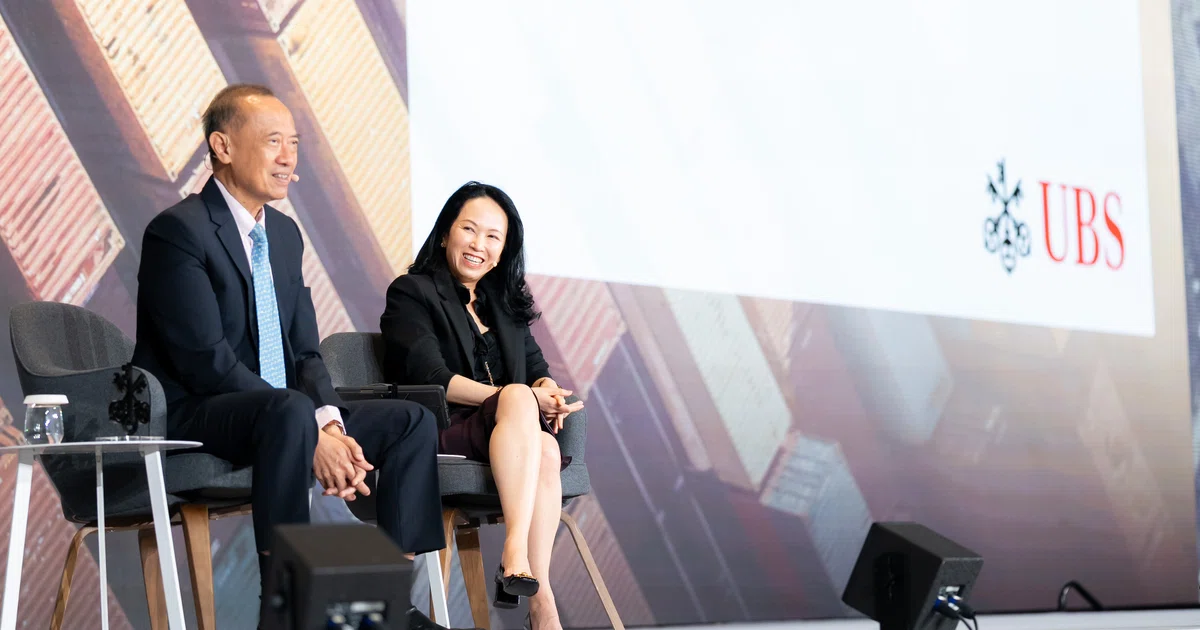
Trump is ‘fast forwarding’ the inevitable future of a multipolar world: George Yeo
US President Donald Trump may be at the centre of several global events today, but he did not create the increasingly multipolar world – he is merely fast-forwarding inevitable events, said George Yeo, Singapore’s former foreign minister.
“Trump himself is not the author of big events, he’s being carried by big events,” he said.
“He will come, he will go, and he will have quickened the arrival of a multipolar world,” he added, speaking at UBS’ mid-year outlook conference in Singapore on Tuesday (Jul 1).
Moderating Yeo’s session was Tan Min Lan, head of the chief investment office for Asia-Pacific at UBS.
Discussing the current state of global affairs, Yeo said China does not want to escalate tensions, while the US likely finds it difficult to escalate.
The wars in the Middle East and Ukraine are keeping the US occupied – which benefits China, he said.
BT in your inbox

Start and end each day with the latest news stories and analyses delivered straight to your inbox.
Meanwhile, China wants to maintain its relations with everyone, and Yeo said it is not in its interests today to make use of its critical advantages, such as in rare earth.
“So if both sides stay rational, there should be stability for maybe another five to 10 years,” he said.
Nevertheless, Yeo noted, it is likely not possible to separate economic interests from security alliances when it comes to dealing with China, unlike with the US.
“China has always used trade for state craft, taking advantage of the fact that it is the biggest market, and that in any bilateral relationship you need me more than I need you,” he said.
This comes as China’s strength lies in the homogeneity of its civilisation, Yeo added.
“Every time they are at peace, they have the world’s biggest market, a degree of specialisation, (unmatched) division of labour, and therefore productivity, which astonishes everybody.”
Security concerns
As security concerns pick up globally, Yeo also discussed US-China tensions over Taiwan, where he thinks that the two superpowers are not likely to reach an arms fight.
“(China) can just conduct more exercises, add more friction, and eventually convince the Taiwanese that independence is an illusion, but still be prepared to talk and give Taiwanese people tremendous autonomy,” he said.
Given Taiwan’s current capabilities, such as with chip production through TSMC, Yeo expects that China’s interest is to have the former continue as a different system within the rubric of one China.
Meanwhile, he noted that the US has succeeded in getting many of its European allies to spend more on defence.
But once these countries become more self-confident militarily, they will depend less on the US, which will be reflected in how they articulate their own interests in the future, he said.
“So Trump is fast forwarding the future, because sooner or later, the Europeans will have to find their own centre and equilibrium vis a vis America, China, Russia, the Middle East and Africa,” he said.
The international game
For others in Asia, including Singapore, Yeo said Asean must “be wise enough” to not let ongoing wars in the Middle East and Ukraine affect the region.
“Keep the peace in the region – another generation of peace, and South-east Asia will be transformed beyond recognition,” Yeo said.
He noted that it is important to understand that the world is becoming multipolar – not just in terms of politics, but also in economics and culture.
People must be prepared to speak several languages, understand various cultures, and work multiple systems, and not be stuck with one particular system.
This is especially so as the US clampdown on China’s tech ambitions has pushed the latter towards self-sufficiency, Yeo noted.
Yeo expects some bifurcation of the tech ecosystem, where China will set “many of the standards in the future”.
In the meantime, however, the US enjoys a “tremendous legacy”, which should continue for decades ahead, he added.
Meanwhile, as South-east Asia becomes increasingly integrated with the larger Chinese economy, it is important for the region to keep options open, to maintain autonomy, he said.
Yeo also expects that China does not want to take over South-east Asia, so that it will not lose its homogeneity.
“We know for sure that we’re in a great transition to a multipolar world, but the shape of that multipolar world and how the poles interact one another – that is something still unfolding with great drama before us.”
Originally published by businesstimes.com.sg. Syndicated material does not necessarily reflect the views of Grazia British.
More Culture

Don’t Pull Out of Germany
Merz’s stupidity is no excuse for a stupid response. Source link
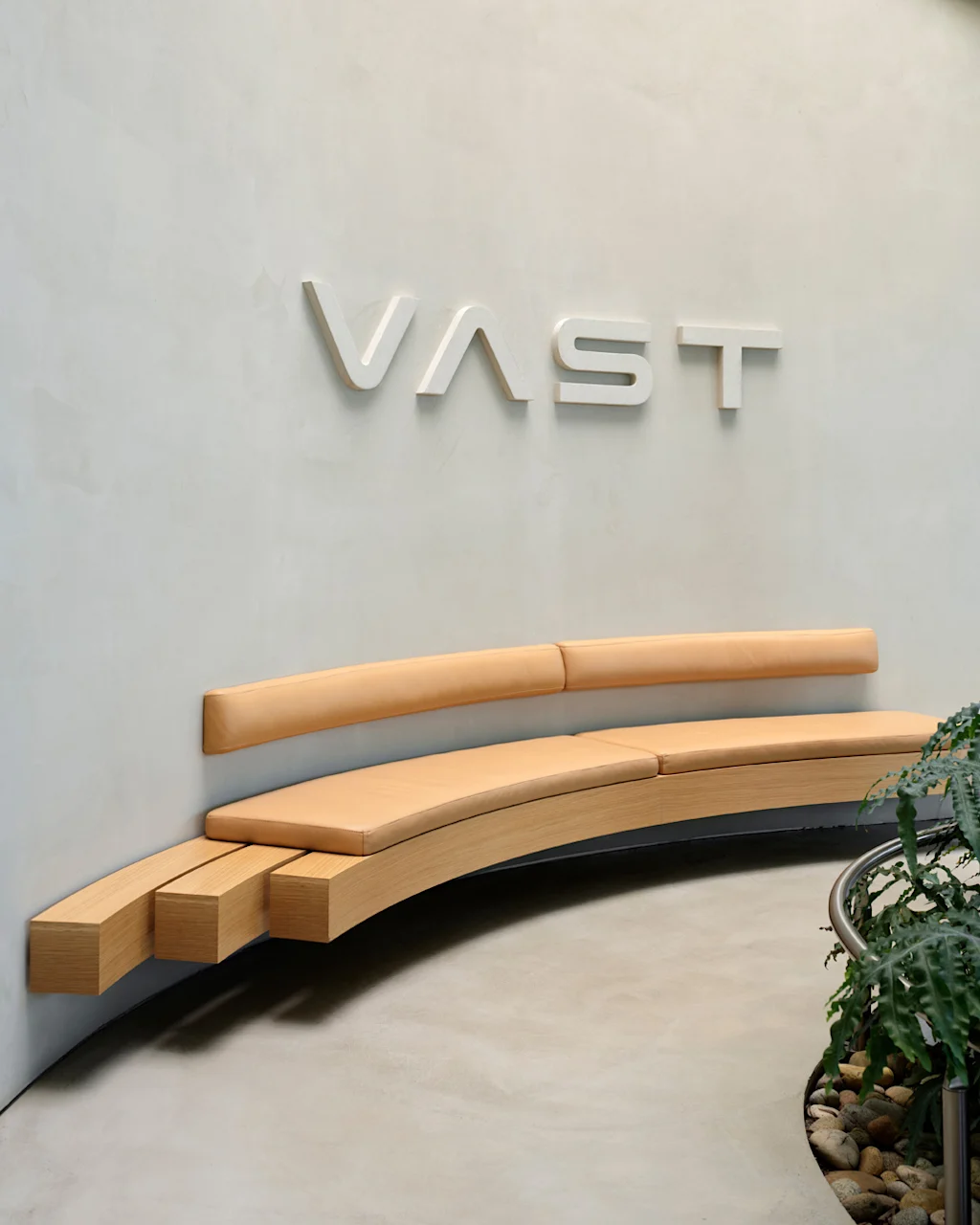
Step inside the gorgeous, futuristic offices of Vast, the startup designing the next-gen space station
A tall baobab tree greets people inside the Long Beach, California, headquarters of Vast, an aerospace company that is building the space station of the future. It’s planted beneath a…
5 ways high-performing teams stay calm when everything’s on fire
When markets swing, plans break, inboxes explode, and everyone starts saying the situation is “unprecedented” again, most teams do what humans have always done under pressure: they grip…

Confused Trump Openly Admits Plot to Rig Midterms as Polls Turn Brutal
Last week, the Supreme Court gutted protections against racial gerrymandering, and Donald Trump is already urging Republicans to seize on it. Trump unleashed a Truth Social rant on Monday…