
US bank reserves fall second week, extend drop below US$3 trillion
The drop comes as the Treasury has ramped up debt issuance to rebuild its cash balance following the increase in the debt ceiling in July
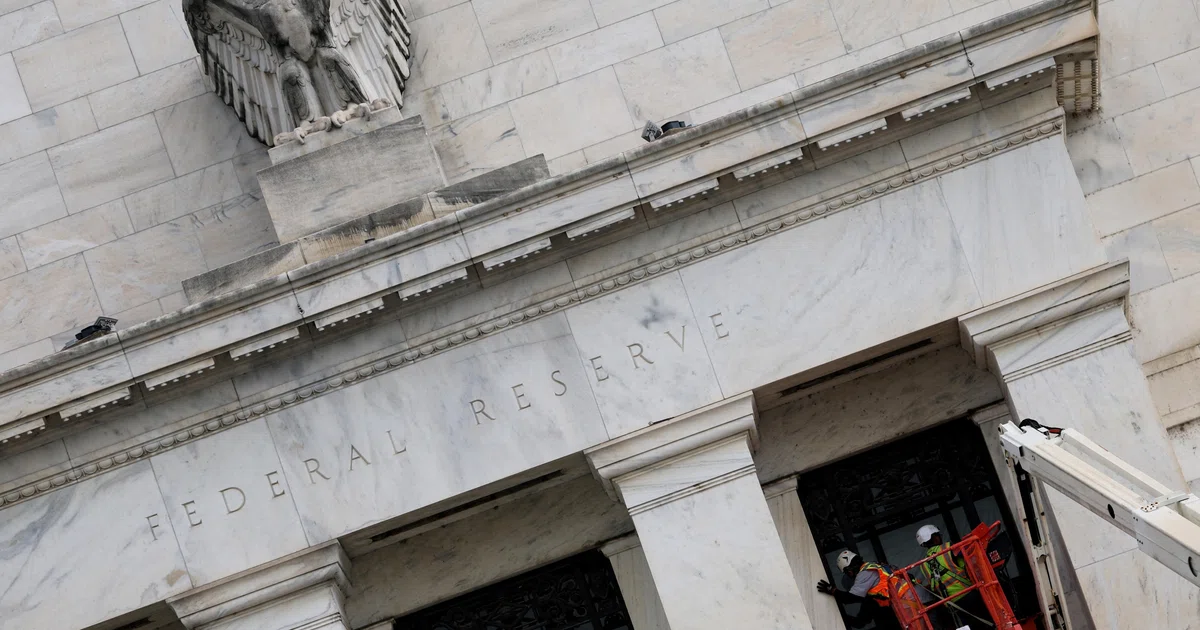
The US banking system’s reserves, a key factor in the US Federal Reserve’s decision to keep shrinking its balance sheet, tumbled for the second straight week, further below US$3 trillion just as the central bank is set to determine the path for its balance sheet.
Bank reserves fell by about US$59 billion to US$2.93 trillion in the week to Oct 22, according to Fed data released on Thursday (Oct 23). That’s the lowest level since the week ended Jan 1.
The drop comes as the Treasury has ramped up debt issuance to rebuild its cash balance following the increase in the debt ceiling in July. That drains liquidity from other liabilities on the Fed’s ledger, like the central bank’s overnight reverse repurchase agreement facility and bank reserves.
Now, with the so-called RRP nearly empty, commercial bank reserves parked with the Fed have been dropping.
The shifts in cash affect the day-to-day operations in the financial system as the Fed continues unwinding its balance sheet, a process known as quantitative tightening or QT. As QT may exacerbate liquidity constraints and lead to market turbulence, the Fed earlier this year slowed the pace by reducing the amount of bond holdings it lets roll off every month.
Fed officials are widely expected to address the fate of the balance sheet when they meet next week in Washington. A reduction in policy rates to 3.75 to 4 per cent is seen as likely, though Wall Street is less certain about when policymakers will pull the plug on QT, another tool the Fed uses to influence interest rates.
BT in your inbox

Start and end each day with the latest news stories and analyses delivered straight to your inbox.
Strategists at JPMorgan Chase and Bank of America expect the Fed to stop shrinking its roughly US$6.6 trillion balance sheet this month, bringing an end process designed to remove liquidity from financial markets, along with TD Securities and Wrightson ICAP.
Fed Ccair Jerome Powell said last week that the balance sheet runoff will stop when bank reserves are somewhat above the level policymakers judge to be consistent with “ample”, the minimum required to prevent market disruptions. In the strongest signal, the Fed now considers that level to be close, he said the central bank may approach that point “in coming months”.
Money market rates have continued to climb, even as more cash entered the front end this week on account of the government-sponsored enterprises parked monthly principal and interest payments in repo before passing it on to holders of mortgaged-backed securities around the 25th day off the month.
SEE ALSO

For strategists, these ongoing elevated rates on repurchase agreements and volatility signal that reserves are no longer abundant and the financial system is approaching scarcity. BLOOMBERG
Originally published by businesstimes.com.sg. Syndicated material does not necessarily reflect the views of Grazia British.
More Culture

Don’t Pull Out of Germany
Merz’s stupidity is no excuse for a stupid response. Source link

Step inside the gorgeous, futuristic offices of Vast, the startup designing the next-gen space station
A tall baobab tree greets people inside the Long Beach, California, headquarters of Vast, an aerospace company that is building the space station of the future. It’s planted beneath a…

5 ways high-performing teams stay calm when everything’s on fire
When markets swing, plans break, inboxes explode, and everyone starts saying the situation is “unprecedented” again, most teams do what humans have always done under pressure: they grip…

Confused Trump Openly Admits Plot to Rig Midterms as Polls Turn Brutal
Last week, the Supreme Court gutted protections against racial gerrymandering, and Donald Trump is already urging Republicans to seize on it. Trump unleashed a Truth Social rant on Monday…