
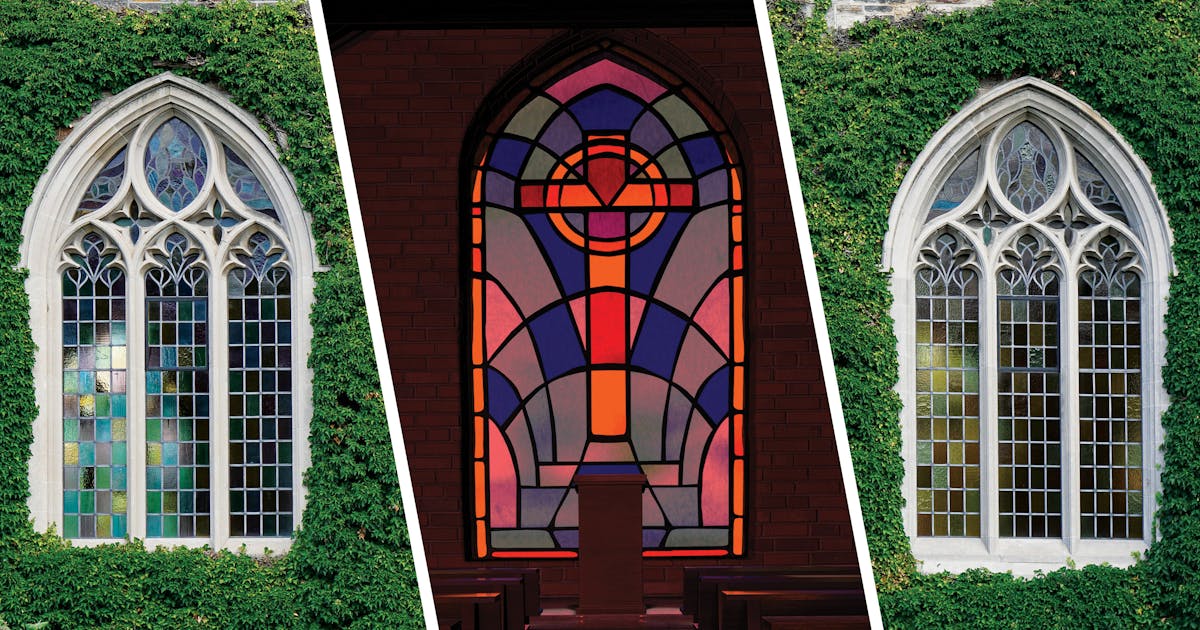
What Besieged Universities Can Learn From the Christian Resurgence
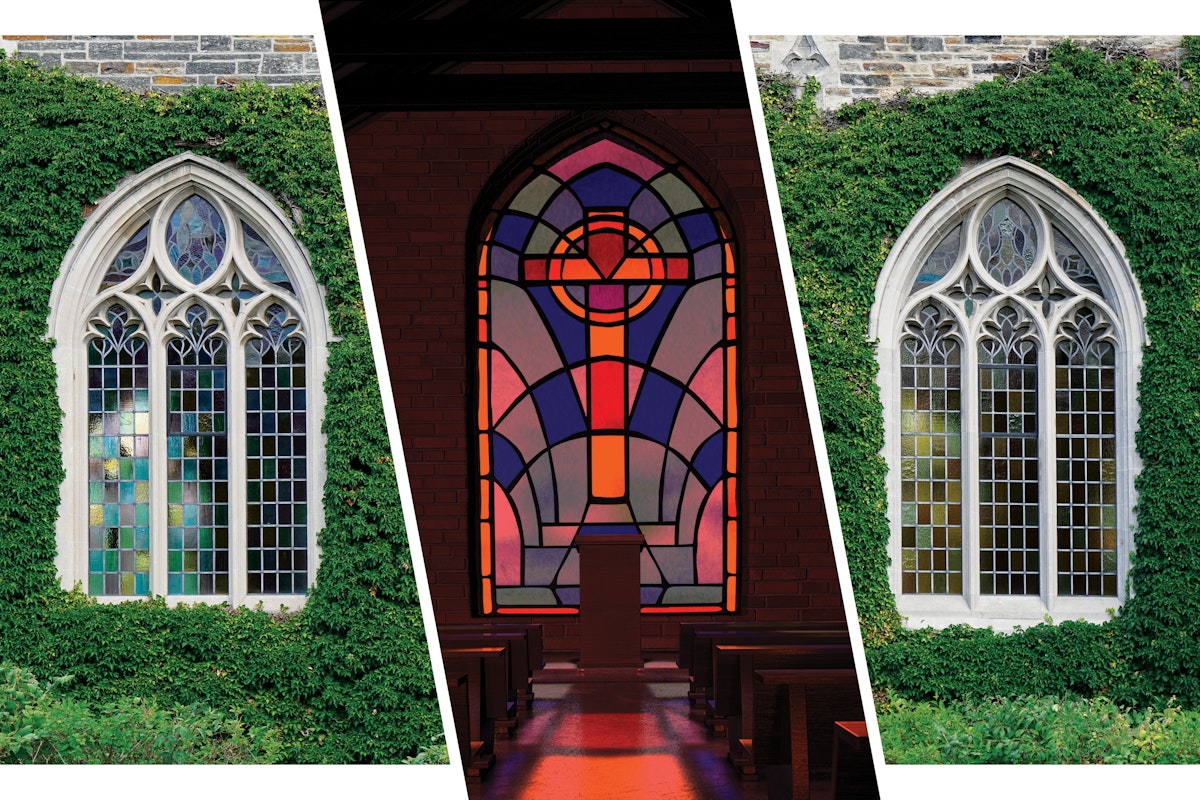
Trump and his allies are betting that their assault on academia will bring a political win, no matter the economic pain or courtroom outcomes. Based on the polls, they may be right. Last year, according to Gallup, only 36 percent of Americans said they had a “great deal” or “quite a lot” of confidence in higher education—down about 20 points since 2015.
Churches have a similar PR problem. About the same proportion of Americans say they place significant confidence in organized religion (down from roughly 60 percent a generation ago). In the decades since the Vietnam War, Americans’ faith in all kinds of big institutions has collapsed.
But recent data has brought a twist: Churches are enjoying a small but significant rebound, especially among young people. Maybe these millennials and Zoomers have hit peak exhaustion with the meaninglessness of TikTok scrolling. Maybe the young men among them are seeking an alternative to the secular media’s message that they are guilty of “toxic masculinity” until proven innocent.
In an era when the White House press secretary announces a funding freeze on “wokeness” while flaunting a giant cross necklace, it’s easy to assume that traditional Christianity and secular academia are permanent enemies, on opposite sides of some civilizational chasm. But in fact, the fates of churches and universities have long been intertwined. For academics grappling with how to regain public trust, there are surprising lessons in the recent Christian resurgence—and, perhaps, a counterintuitive strategy for turning the current campaign to cripple and humiliate universities into an occasion to recover core ideas about the purpose of higher education.
In the two decades after World War II, churches and universities both cruised at the zenith of cultural influence. Americans were inclined to trust experts, whether they preached from a pulpit or lectured in front of a blackboard. It can be hard to imagine now, but back then nerdy theologians like Reinhold Niebuhr, Paul Tillich, and Henry P. Van Dusen graced the cover of Time, and Democratic presidential campaigns bought splashy ads in The New York Times to show off endorsements they received from university professors. Even Republicans courted the support of university “eggheads.” During the 1960 presidential election, the Republican National Committee—envious of John F. Kennedy’s “Brain Trust”—recruited a Stanford political scientist named Cornelius P. Cotter to convince more faculty that the Republican Party was a “serious intellectual enterprise,” Cotter told reporters.
Originally published by newrepublic.com. Syndicated material does not necessarily reflect the views of Grazia British.
More Culture

Don’t Pull Out of Germany
Merz’s stupidity is no excuse for a stupid response. Source link

Step inside the gorgeous, futuristic offices of Vast, the startup designing the next-gen space station
A tall baobab tree greets people inside the Long Beach, California, headquarters of Vast, an aerospace company that is building the space station of the future. It’s planted beneath a…

5 ways high-performing teams stay calm when everything’s on fire
When markets swing, plans break, inboxes explode, and everyone starts saying the situation is “unprecedented” again, most teams do what humans have always done under pressure: they grip…

Confused Trump Openly Admits Plot to Rig Midterms as Polls Turn Brutal
Last week, the Supreme Court gutted protections against racial gerrymandering, and Donald Trump is already urging Republicans to seize on it. Trump unleashed a Truth Social rant on Monday…