

What Would It Take to Eliminate Storm-Related Power Outages?
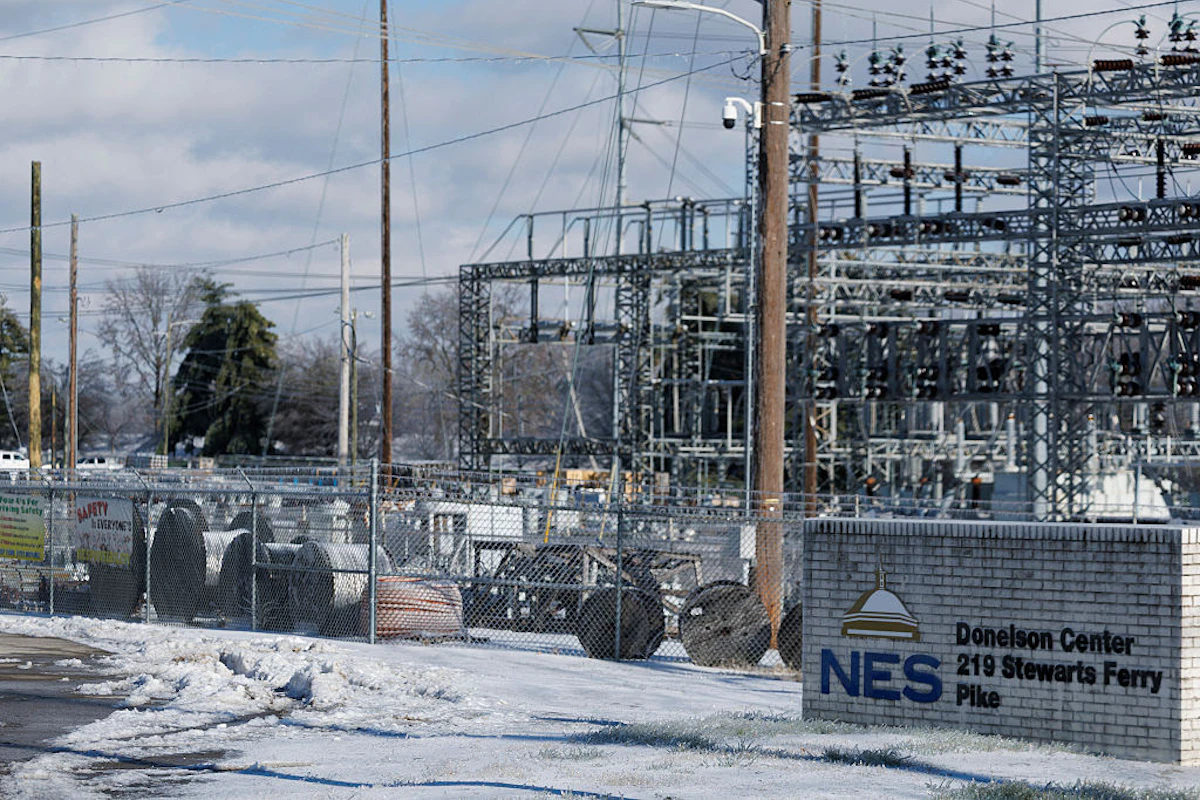
And that points to another thing that could be done to eliminate these outages: a more interconnected grid. This was one of the main factors in 2021 in Texas, Kurland noted. “Texas’s power grid, ERCOT, is primarily islanded from the rest of the United States, so there weren’t a lot of connections there to be able to bring power into Texas during that storm.” If the goal is to build resilience to severe weather events, we need “an electrical grid that’s bigger than the weather,” Kurland said. With better transmission lines connecting different regions, it won’t matter if the sun isn’t shining or the wind isn’t blowing or severe cold is kneecapping fossil fuel generation in a particular location, because “you’re now able to dispatch power from one side of the United States to the other.”
Microgrids tied into the main grid, as well as better power storage, could also play a role. And then there’s the option of burying power lines, which would address the problem not only of the lines sagging under ice in the winter but also of stray sparks causing wildfires in other seasons. This isn’t feasible everywhere, Kurland emphasized, pointing to water tables and local geology. But even for such inhospitable locales, there are different, more advanced types of wires that are less vulnerable to sagging and the like. “There are some incentives that the federal government and the states can apply to be able to unlock those types of advanced technologies on the transmission system.”
When it comes to federal incentives, though, both Kurland and Thompson noted that a lot of the policies that could make households and the electrical grid less vulnerable in severe weather have been recently reversed, or the associated funds delayed. That’s true not just for, say, offshore wind projects but also for the weatherization programs that could both help reduce strain on the grid during cold snaps and help people survive brief outages when they occur. “As of last month, there were still a number of states trying to get that funding for cold snaps and extreme weather events like this,” said Kurland. He pointed to funds already designated to states via the Weatherization Assistance Program, slated to be released in June 2025, which still hadn’t arrived as of late December. Under the Trump administration, the Department of Energy has proposed scrapping the program altogether.
Originally published by newrepublic.com. Syndicated material does not necessarily reflect the views of Grazia British.
More Culture

Don’t Pull Out of Germany
Merz’s stupidity is no excuse for a stupid response. Source link

Step inside the gorgeous, futuristic offices of Vast, the startup designing the next-gen space station
A tall baobab tree greets people inside the Long Beach, California, headquarters of Vast, an aerospace company that is building the space station of the future. It’s planted beneath a…

5 ways high-performing teams stay calm when everything’s on fire
When markets swing, plans break, inboxes explode, and everyone starts saying the situation is “unprecedented” again, most teams do what humans have always done under pressure: they grip…

Confused Trump Openly Admits Plot to Rig Midterms as Polls Turn Brutal
Last week, the Supreme Court gutted protections against racial gerrymandering, and Donald Trump is already urging Republicans to seize on it. Trump unleashed a Truth Social rant on Monday…