
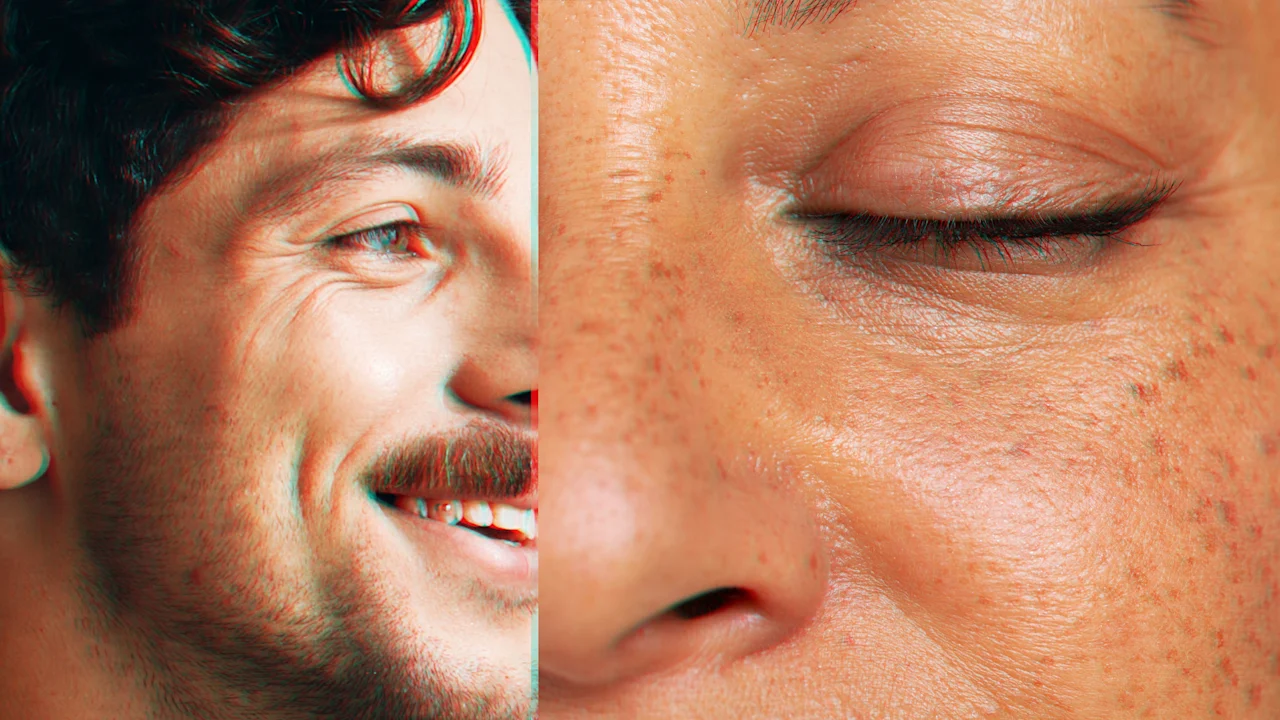
What’s your wabi-sabi?
A snaggle tooth. A gap in someone’s smile. A birthmark or mole. What do each of these facial features have in common? They all have wabi-sabi.
That’s according to TikTok’s latest trend, which has users highlighting their imperfections and labeling them “wabi-sabi.”
Not to be confused with the sushi accompaniment, wabi-sabi is a Japanese aesthetic philosophy that finds beauty in imperfection and the natural process of aging—something we could all use a little more of in the age of “preventative facelifts.”
The concept celebrates imperfection and the natural wear and tear that occurs with the passage of time, whether that’s a gently worn step, a chipped mug, or smile lines.
A sound featuring the term has since gone viral on TikTok, introducing many to the idea for the first time. Nearly half a million videos have been posted under the viral audio, originating from the animated sitcom King of the Hill.
In one episode, the character Bobby Hill picks up a rose and says, “I like how mine’s a little off-center. It’s got wabi-sabi.” That clip has since been repurposed by users celebrating everything from crooked teeth to aquiline noses as wabi-sabi.
As with any concept that takes off on TikTok, some of the subtlety of the original philosophy has been lost as it spreads online. Yet, in an age of unrealistic beauty standards, looksmaxxing, and aesthetic micro trends, one that celebrates individuality and acceptance of perceived flaws is a step in the right direction.
In 2019, The New Yorker declared it “The Age of Instagram Face.” Six years on, Dazed wrote “We have entered the age of TikTok Face.” Aesthetic inflation or “the normalization of more and more extreme cosmetic interventions over time,” defined by Flesh World writer Jessica Defino, has eaten our collective brain.
In just the past few weeks, headlines about the “skinny BBL” (that’s Brazilian butt lift, for the unitiated) and facelifts at 28 demonstrate the pervasiveness of the pursuit of aesthetic perfection. It’s a vicious feedback loop that also bleeds into our offline reality, with plenty of research finding a correlation between time spent online and desire for plastic surgery.
If you’ve noticed the faces you see online slowly morphing into one and the same, you are not losing your mind. These days, we could all stand to embrace more wabi-sabi.
Originally published by fastcompany.com. Syndicated material does not necessarily reflect the views of Grazia British.
More Culture

Don’t Pull Out of Germany
Merz’s stupidity is no excuse for a stupid response. Source link
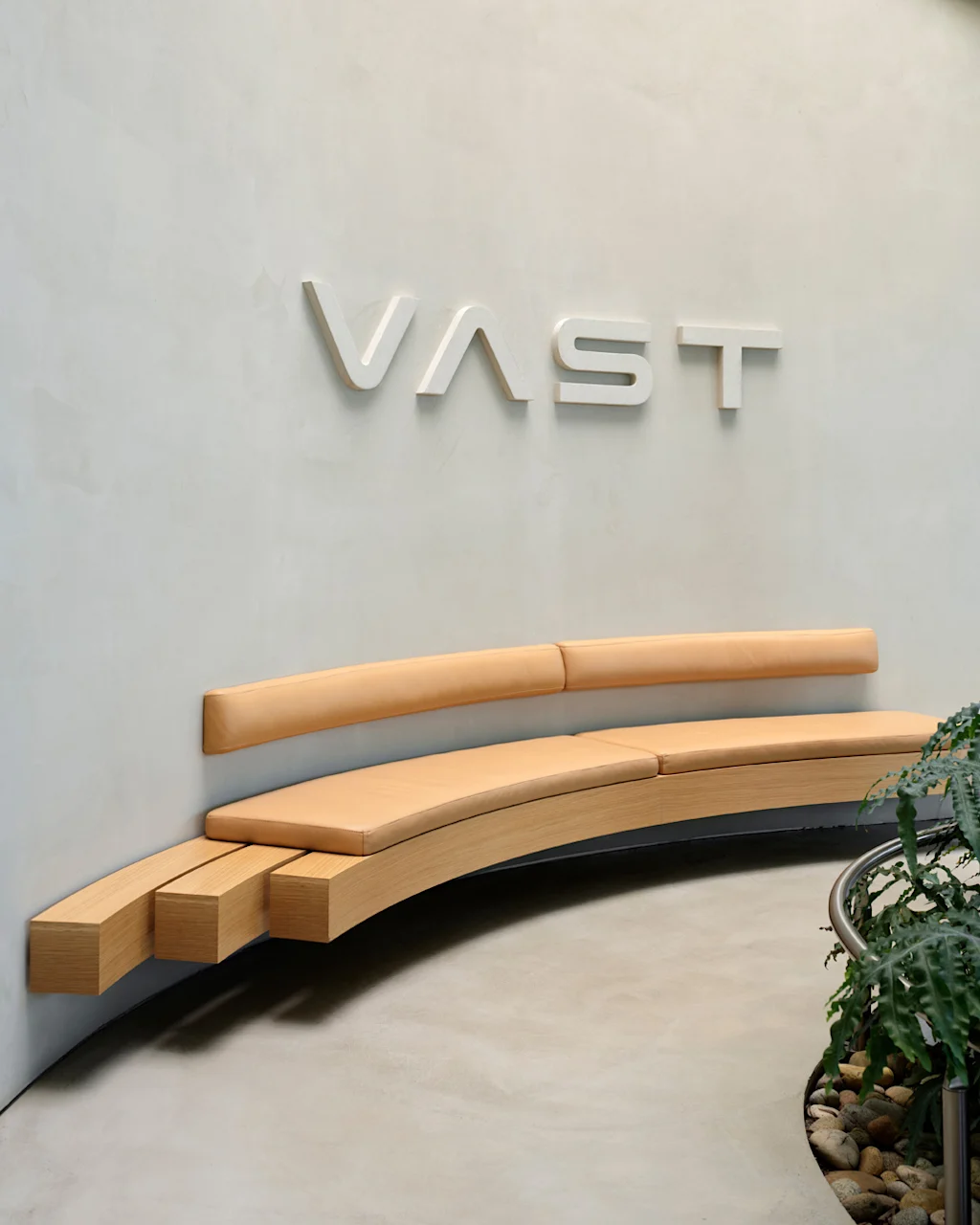
Step inside the gorgeous, futuristic offices of Vast, the startup designing the next-gen space station
A tall baobab tree greets people inside the Long Beach, California, headquarters of Vast, an aerospace company that is building the space station of the future. It’s planted beneath a…
5 ways high-performing teams stay calm when everything’s on fire
When markets swing, plans break, inboxes explode, and everyone starts saying the situation is “unprecedented” again, most teams do what humans have always done under pressure: they grip…

Confused Trump Openly Admits Plot to Rig Midterms as Polls Turn Brutal
Last week, the Supreme Court gutted protections against racial gerrymandering, and Donald Trump is already urging Republicans to seize on it. Trump unleashed a Truth Social rant on Monday…