
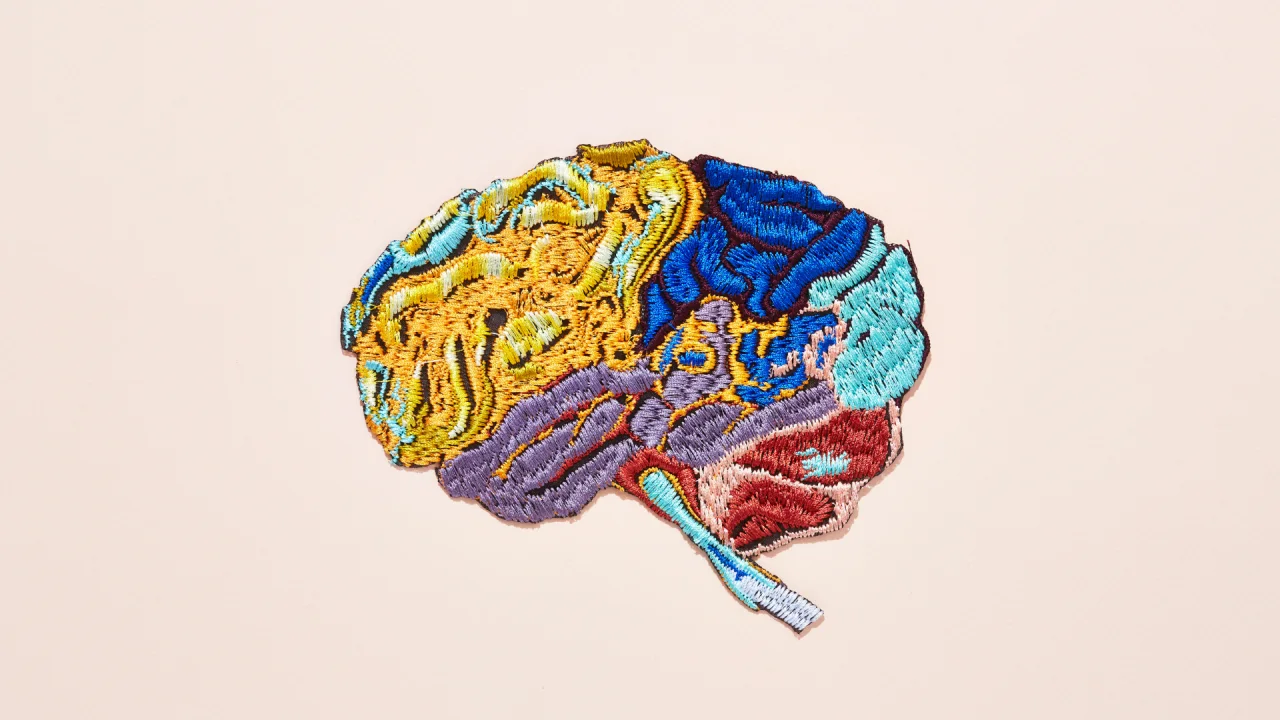
Why biology is our most powerful technology
Every living organism, from the simplest microbe to the tallest tree, contains a library of genetic information refined by billions of years of evolution. This biological data dwarfs even our most advanced digital systems. Nature has been running the ultimate machine learning experiment since life began, optimizing solutions for survival, efficiency, and adaptation at a scale we’re only beginning to comprehend.
What if, instead of replacing nature with machines, we could work with biological systems as collaborators? That’s the promise of modern biotechnology. Nearly two decades ago, my lab-mate Alvin and I set out on what many considered an impossible quest. We were PhD students at UC Berkeley with a radical idea: What if we could apply emerging biological tools to awaken dormant capabilities in living systems that could work alongside farmers?
The fertilizer problem
While 78% of the air we breathe is nitrogen, plants can’t access it directly. For millions of years, soil microbes solved this problem through nitrogen fixation, converting atmospheric nitrogen into plant food. But with the widespread use of synthetic fertilizers, many of these microbes went quiet. Their nitrogen-fixing abilities switched off.
For years, farmers have been scattering fertilizer across their fields and hoping enough would reach their crops. Much of it didn’t. It washed into rivers and streams, creating dead zones in our waterways.
Alvin and I imagined a different approach: a living system that could work in partnership with farmers. Microbes that would live at crop roots and respond dynamically to each plant’s needs. They would be tireless collaborators, optimizing nutrient delivery with a precision that comes from billions of years of co-evolution with plants.
We collected soil samples from farms across the country, isolated promising microbes, and began gently reawakening their dormant nitrogen-fixing abilities and enhancing what nature had already perfected.
One day in the lab as we peered into a test tube that contained a germinating corn seed. Our partner microbes had colonized the roots of the tiny plant, actively fixing nitrogen and sharing it with their host. That little plant, growing vigorously without any added fertilizer, was proof that we had succeeded. We hadn’t created artificial life. We had awakened life’s existing potential to work in harmony with human needs.
Microbial revolution
Today, these microbial partners work in the soil across millions of acres of farmland worldwide, helping farmers grow more food with less environmental impact. They’ve prevented over 1.3 million metric tons of greenhouse gas emissions since 2022 alone. They’re part of a quiet revolution happening at the intersection of biology and human ingenuity.
This revolution extends far beyond agriculture. Scientists have discovered and enhanced microbes that naturally break down oil spills in marine environments, partnering with these organisms to accelerate ocean healing. Others have found bacteria that can digest plastic waste, turning pollution into harmless byproducts—not through harsh chemicals, but through the same processes that nature uses to recycle organic matter. Researchers are developing living materials that can sense damage and repair themselves, inspired by how our own bodies heal.
In medicine, we’re seeing remarkable advances: bacteria that can detect cancer cells earlier than any machine, algae that produce life-saving drugs more efficiently than factories, and personalized therapies that work with our immune systems rather than against them. Each breakthrough represents a partnership between human creativity and nature’s tested solutions.
A reimagined relationship with the living world
Just as AI amplifies human intelligence by learning from the data we’ve created, this new biological age amplifies human capability by collaborating with the wisdom encoded in life itself. But unlike AI, which we build from scratch, we’re working with systems that have already solved many of our greatest challenges. We just need to learn their language.
This is more than a technological shift; it’s a fundamental reimagining of our relationship with the living world. For the first time in history, we can have a true dialogue with nature—not to dominate or control, but to collaborate and co-create. The choice isn’t between nature and technology. It’s about recognizing that nature is the most sophisticated technology we’ve ever encountered. And we’re just beginning to learn how to work with it.
In the biological realm, those partners have been here all along, waiting for us to learn their language. The future isn’t about making biology more machine-like. It’s about discovering that biology has always been more ingenious than any machine we could build.
The real revolution isn’t in controlling life, but in joining it.
Karsten Temme is chief innovation officer of Pivot Bio.
Originally published by fastcompany.com. Syndicated material does not necessarily reflect the views of Grazia British.
More Culture

Don’t Pull Out of Germany
Merz’s stupidity is no excuse for a stupid response. Source link

Step inside the gorgeous, futuristic offices of Vast, the startup designing the next-gen space station
A tall baobab tree greets people inside the Long Beach, California, headquarters of Vast, an aerospace company that is building the space station of the future. It’s planted beneath a…
5 ways high-performing teams stay calm when everything’s on fire
When markets swing, plans break, inboxes explode, and everyone starts saying the situation is “unprecedented” again, most teams do what humans have always done under pressure: they grip…

Confused Trump Openly Admits Plot to Rig Midterms as Polls Turn Brutal
Last week, the Supreme Court gutted protections against racial gerrymandering, and Donald Trump is already urging Republicans to seize on it. Trump unleashed a Truth Social rant on Monday…