
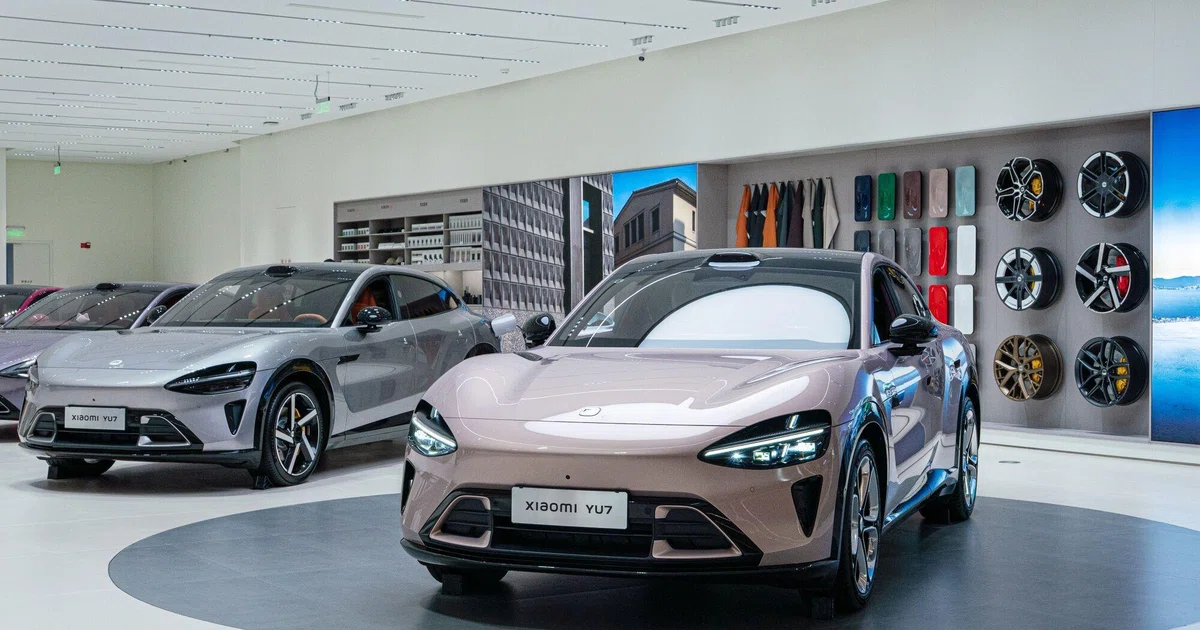
Xiaomi’s EV arm makes a profit for the first time
The division, which sold its first car last year, posts a profit of 700 million yuan in the September quarter
Xiaomi reported quarterly profit from its electric vehicle (EV) business for the first time, a major milestone for the smartphone maker’s ambitious foray into the crowded market.
The company’s EV division, which sold its first car last year, posted a profit of 700 million yuan (S$128 million) in the September quarter. That reversed a loss of 300 million yuan in the previous three months, and helped the Beijing-based company more than double net income.
Xiaomi joins a select club of Chinese EV makers that actually make a profit. With a goal of becoming one of the world’s top five carmakers, the company is ratcheting up production to try and compete with the likes of Tesla and BYD in China and eventually overseas. The company aims to start selling EVs in Europe in 2027.
While still early days, the result is a vindication of sorts for co-founder Lei Jun, who telegraphed the swing toward profitability earlier this year. The billionaire is riding high after a solid reception for Xiaomi’s first sports utility vehicle, which has garnered strong orders so far.
On Tuesday, executives said that the company will hit a 2026 target of 350,000 EV deliveries this week – more than a month ahead of schedule. It is now ramping up efforts to boost deliveries and slash wait times.
Still, some investors have called Xiaomi’s longer-term outlook into question, citing intense competition, safety concerns and persistent factory delays.
Soaring demand and a production crunch have meant that buyers still have to wait up to nine months for some models after placing an order. In October, it said that it shipped more than 40,000 EVs, the same figure it gave the previous month. And gross margins for the business will drop next year, executives said on Tuesday’s conference call.
Xiaomi’s rivalry with Apple in its core smartphone business have also weighed on its shares. The company is battling for control of China’s high-end smartphone market after unveiling a US$630 alternative to the iPhone 17 in September. But according to Counterpoint Research, iPhones accounted for one in every four smartphones sold in the country last month, and Xiaomi’s growth also lagged local rival Oppo.
Another source of uncertainty is rising memory chip prices. On Tuesday, Xiaomi said that it expects a shortfall to push up mobile device prices next year, joining a growing number of companies in warning of a potential supply crunch of the critical component in 2026.
SEE ALSO
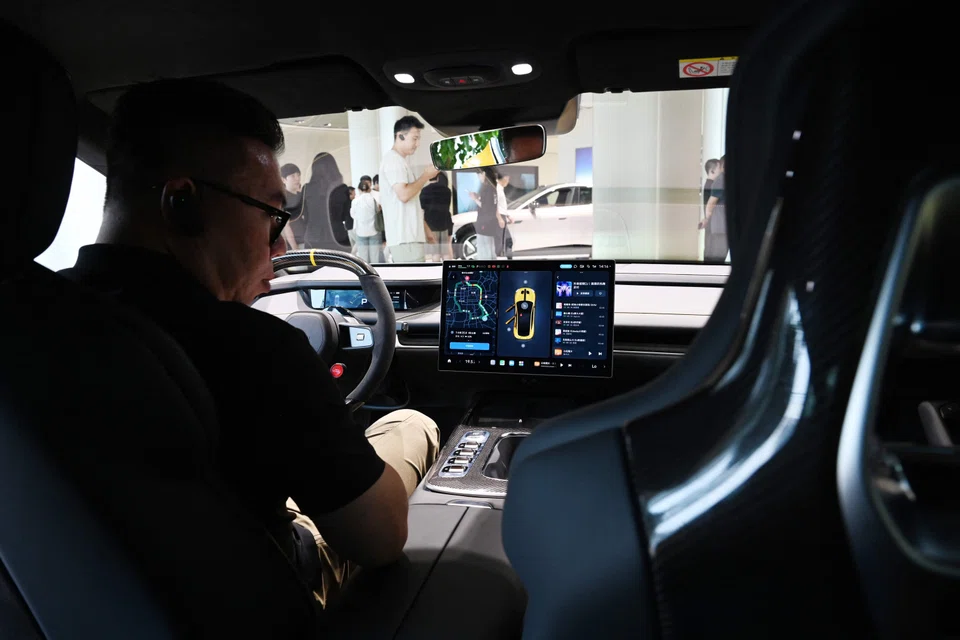
All that has contributed to one of the worst-performances among Chinese technology stocks in just a few short months. Xiaomi’s share price has plummeted about 20 per cent since May.
Decoding Asia newsletter: your guide to navigating Asia in a new global order. Sign up here to get Decoding Asia newsletter. Delivered to your inbox. Free.
Originally published by businesstimes.com.sg. Syndicated material does not necessarily reflect the views of Grazia British.
More Culture

Don’t Pull Out of Germany
Merz’s stupidity is no excuse for a stupid response. Source link

Step inside the gorgeous, futuristic offices of Vast, the startup designing the next-gen space station
A tall baobab tree greets people inside the Long Beach, California, headquarters of Vast, an aerospace company that is building the space station of the future. It’s planted beneath a…

5 ways high-performing teams stay calm when everything’s on fire
When markets swing, plans break, inboxes explode, and everyone starts saying the situation is “unprecedented” again, most teams do what humans have always done under pressure: they grip…

Confused Trump Openly Admits Plot to Rig Midterms as Polls Turn Brutal
Last week, the Supreme Court gutted protections against racial gerrymandering, and Donald Trump is already urging Republicans to seize on it. Trump unleashed a Truth Social rant on Monday…