

Yet Another Way Republicans Are Making Life More Expensive
Central banks charged with maintaining price stability, meanwhile, have been relatively slow to recognize the challenge climate change poses to that mandate. Wonkish conversations about central banks’ responsibility vis-à-vis climate change have tended to focus on systemic risks that climate policies could pose to fossil fuel assets on bank balance sheets (for example, how a high carbon tax might devalue bank-financed coal, oil, and gas infrastructure), or the considerable threats extreme weather poses to real estate investments. But there’s been comparatively less attention paid to questions of price stability. (One of the researchers on the Environmental Research Letters paper is affiliated with the European Central Bank, although its findings are “not necessarily those of the European Central Bank nor its Governing Council.”)
Financial institutions haven’t been especially proactive about addressing climate risks of any kind. Several of the world’s largest banks—including JP Morgan Chase, Citibank, and Morgan Stanley—have rolled back climate pledges in recent years, in part due to pressure from Republicans and, now, the Trump administration. U.S. Federal Reserve Chairman Jerome Powell has never been thrilled about the idea of the Fed considering climate change, and recently, amid mounting criticism from the White House, he reiterated that position on Capitol Hill. “It is a big risk to our independence if we were to stray into areas where we shouldn’t that really aren’t part of our mandate,” Powell said, in response to Republicans’ hostile questions about the Fed’s modest moves asking banks to study their exposure to climate change and climate policy. “I would agree that climate is the biggest risk,” he said,not to balance sheets or prices but to central bank independence.
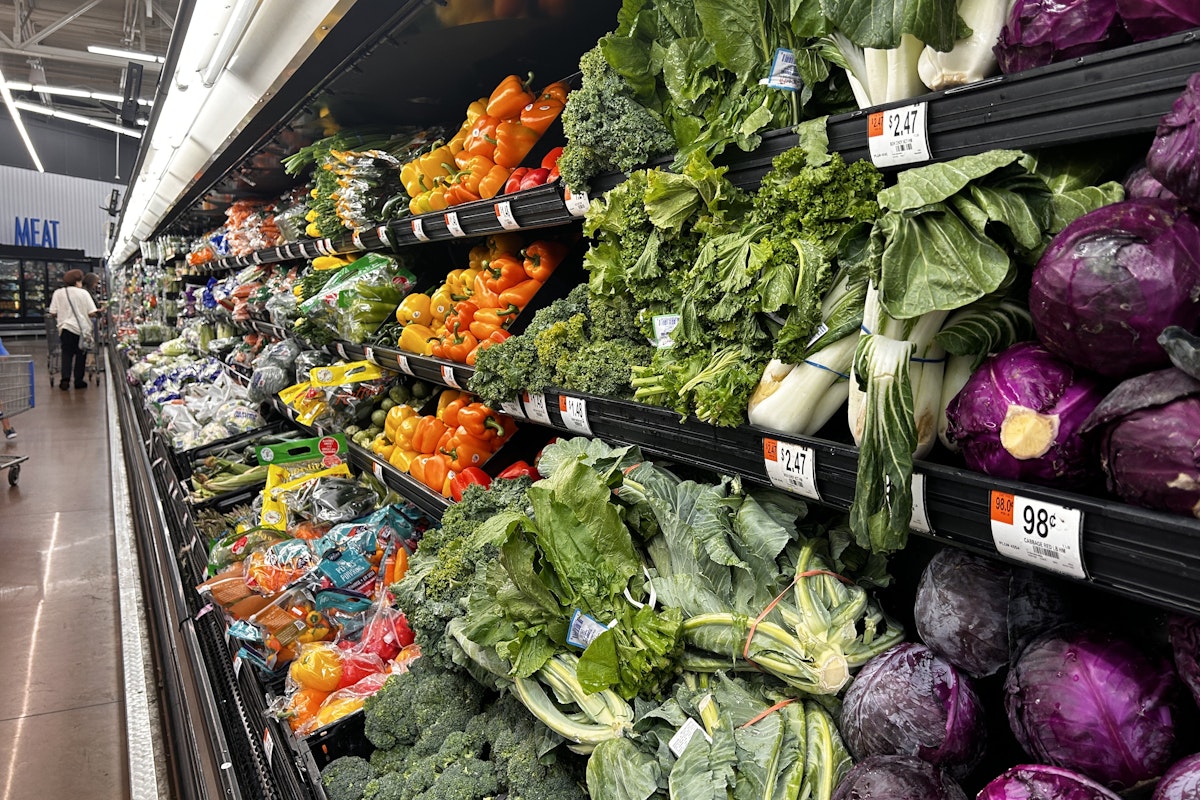
For farmers and those of us who buy their products—so, everyone—climate change isn’t some far-off threat or ideological belief but a real-time drain on resources and monthly bills. In February, farmers with the Northeast Organic Farming Association of New York, alongside the Natural Resources Defense Council and the Environmental Working Group, sued Trump’s Department of Agriculture over its attempts to ax climate-related policies and datasets. Plaintiffs argued that the administration’s purge denied farmers the information they need to make business decisions regarding their own risks from heat waves, floods, and other kinds of climate-fueled extreme weather. In May, the USDA relented, and said it had already begun restoring the data in question.
Originally published by newrepublic.com. Syndicated material does not necessarily reflect the views of Grazia British.
More Culture

Don’t Pull Out of Germany
Merz’s stupidity is no excuse for a stupid response. Source link

Step inside the gorgeous, futuristic offices of Vast, the startup designing the next-gen space station
A tall baobab tree greets people inside the Long Beach, California, headquarters of Vast, an aerospace company that is building the space station of the future. It’s planted beneath a…

5 ways high-performing teams stay calm when everything’s on fire
When markets swing, plans break, inboxes explode, and everyone starts saying the situation is “unprecedented” again, most teams do what humans have always done under pressure: they grip…

Confused Trump Openly Admits Plot to Rig Midterms as Polls Turn Brutal
Last week, the Supreme Court gutted protections against racial gerrymandering, and Donald Trump is already urging Republicans to seize on it. Trump unleashed a Truth Social rant on Monday…