
Geely-linked car electronics maker eager to shed Chinese roots
Ecarx is in advanced discussions to combine with another Nasdaq-listed automotive-sensor company
Ecarx Holdings, the Nasdaq-listed automotive electronics firm controlled by the founder of major Chinese automaker Geely, is aiming to distance itself from its the world’s second-largest economy as escalating Sino-American tensions hamper the company’s expansion in the US.
The firm, co-founded by Zhejiang Geely Holding Group chairman Li Shufu, is seeking to cut revenue derived from its Chinese operations from 80 to around 50 per cent by 2030 as it steps up global expansion, especially in Europe, chairman and chief executive officer Shen Ziyu said. It plans to boost European-based staffing to 500 employees in three years and 1,000 by decade’s end, up from just 200 currently, he said.
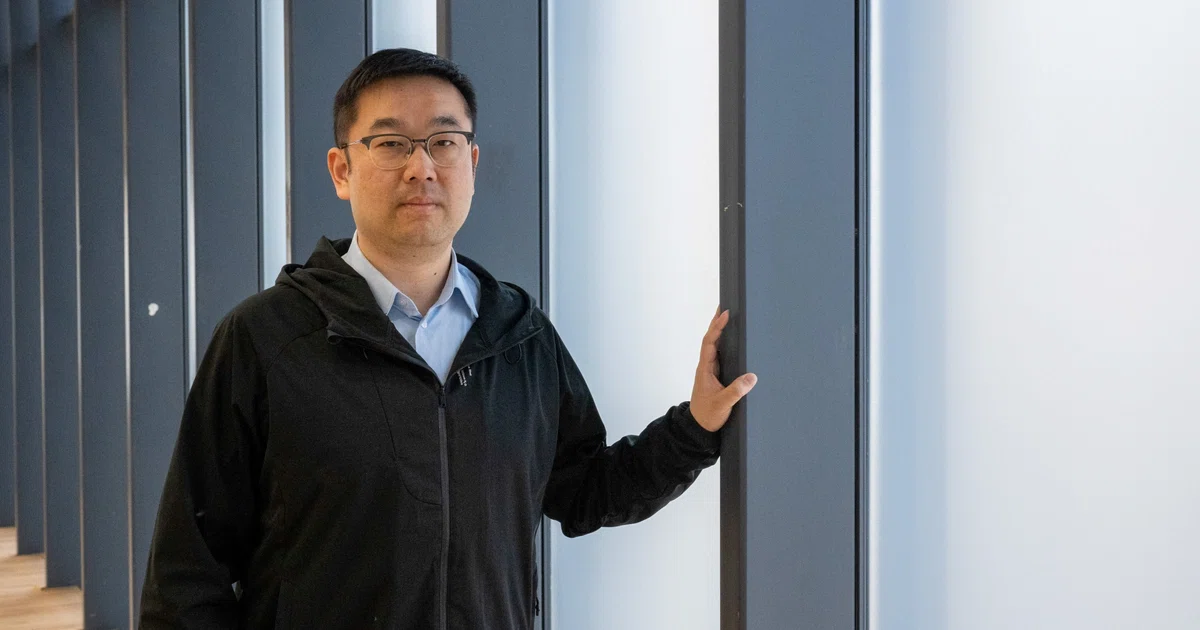
“It’s difficult to export China technology, intelligence and data-driven products to the US and the old playbook of exporting Chinese tech doesn’t work anymore,” said Shen, who owns about 6 per cent of the company he co-founded with Li. “We don’t want to be seen as a Chinese supplier. We want to be global.”
Ecarx has dual headquarters in Shanghai and London, and Li owns about 45 per cent of the company, but the firm’s Chinese roots are tripping up its global expansion plans. Its stock is down about 16 per cent this year to less than US$2 a share, well below the US$10 per share of three years ago.
To further dilute its Chinese profile, Ecarx is in advanced discussions to combine with another Nasdaq-listed automotive-sensor company, creating a combined business with around US$2 billion in revenue by 2027, sources familiar with the plan said.
By issuing shares in the merger, Chinese ownership in Ecarx will be significantly reduced, a move that will help satisfy US regulators and widen access to North American markets, the sources said, asking for anonymity to discuss private deliberations.
Shen declined to comment on any deal-related negotiations.
The planned deal may still face a challenge from federal authorities in the US, which could block or impose conditions on such a transaction. Those regulators include the US Commerce Department and the US Treasury Department’s Committee on Foreign Investment in the United States, or CFIUS. Earlier this year, President Donald Trump ordered CFIUS to restrict Chinese spending on technology, energy and other strategic US sectors.
To ease national security concerns, Shen, a Chinese national, said that he is considering applying for the US “Gold Card” visa programme, which offers residency and a path to citizenship for investors who contribute US$1 million. He declined to comment on whether the move would require him to renounce his Chinese passport.
Ecarx’s initial plans for overseas expansion relied largely on exports from China, but trade tensions between Beijing and Washington in recent years, as well as tightened data-security rules, have forced a strategic U-turn. The company started relocating its leadership abroad in 2022, a move driven partly by Covid-19 era lockdowns, Shen said.
It has reduced its China-based engineer headcount by more than one-third to 1,000 people in the past few years, he said. And the company plans to continue to shrink its workforce in China by another 20 per cent to 30 per cent over time, while overseas operations will add jobs by the same magnitude.
Ecarx, which supplies Geely’s Volvo Car unit and Volkswagen, has built research and development centres in Stuttgart, Gothenburg and London, and set up an engineering centre in Sao Paulo, Shen said, noting a contract the company landed earlier this month to supply Volkswagen’s operations in Latin America.
Partnerships with Western tech giants are central to its makeover. The firm released a white paper in July stating it cut by more than half the time it takes to secure vehicle infotainment system certification by Alphabet Inc.’s Google Automotive Services, which provides access to Google Maps and Google Assistant voice-based controls.
Ecarx went public via a reverse merger with a special-purpose acquisition company, or Spac, in 2022. The company, which reported revenue of US$603 million last year, said that it broke even for the first time in its latest earnings, posting a third-quarter net profit just under US$1 million. BLOOMBERG
Decoding Asia newsletter: your guide to navigating Asia in a new global order. Sign up here to get Decoding Asia newsletter. Delivered to your inbox. Free.
Originally published by businesstimes.com.sg. Syndicated material does not necessarily reflect the views of Grazia British.
More Fashion

LEESA ROWLAND From Hollywood to the Unknown: The Producer, Writer, Actress and Model Creating Her Own Next Chapter
Leesa Rowland has never been defined by just one role. Actress. Model. Writer. Producer. Author. Creative visionary. Philanthropist. Each title represents a different part of a career…

The Rise of Trevor Dutch: Strength, Style and Substance
From New York City to Europe’s Fashion Capitals, Trevor Dutch Is Bringing Strength, Sophistication, and Individuality to Every Frame In a city that never slows down, Trevor Dutch has…

Commentary: This year's Met Gala proved one thing: The real devil who wears Prada is Jeff Bezos
Apparently not content with bankrupting Sears, Toys R Us, Radio Shack and countless other businesses; buying and then maiming the Washington Post; and leading the Tech Bro right turn to…

Bald eagle 'massaging' its mate? AI deepfakes collide with the laws of the wild
Shadow gingerly places one taloned foot, then the other, on Jackie as she hunkers down on the nest. With Big Bear Lake glittering in the distance, he raises each foot in a kneading motion…